

Renovating a kitchen, bathroom, attic, addition, or upper-floor room can expose parts of a roof that normally remain protected. Even work that does not involve replacing shingles may create openings, loosen flashing, damage gutters, or allow tools and debris to affect the roof system.
For households in Ithaca, NY, planning must also account for rain, freeze-thaw cycles, snow, wind, and long periods when exterior repairs may be delayed by weather. Protecting the roof is not a single step. It requires coordination before work begins, daily checks while the project is active, and a careful inspection before temporary coverings are removed.
Which renovation activities can damage a roof?
Roof damage is most likely when renovation work changes the roof surface, creates an opening, or places people and materials near roofing components. Common examples include:
- Installing or replacing skylights, chimneys, vents, or plumbing stacks
- Building an addition, dormer, porch, or second-story extension
- Replacing siding near roof edges
- Installing solar equipment, antennas, or exterior lighting
- Moving attic insulation or framing
- Removing ceilings beneath roof areas
- Using ladders, scaffolding, lifts, or material hoists
- Storing lumber, flooring, tools, or demolition debris on the roof
- Replacing windows or upper-level walls near flashing and eaves
Interior renovations can also expose problems. Once ceilings or wall finishes are removed, signs of old leaks may become visible around roof penetrations, valleys, chimneys, and exterior walls.
A roof that appears sound from the ground may still have brittle flashing, weakened sheathing, or previously patched areas that require extra care.
What should be done before renovation begins?
The roof should be documented before any materials arrive. A simple inspection and photo record can help distinguish existing damage from problems caused during construction.
Check for:
- Missing, curled, cracked, or loose shingles
- Exposed fasteners or lifted flashing
- Sagging roof sections
- Damaged soffits, fascia, gutters, or downspouts
- Moss or debris holding moisture against roofing materials
- Water stains in the attic or on upper-floor ceilings
- Soft sheathing near roof edges, valleys, or penetrations
Photograph the roof from the ground and, when safe, from accessible attic areas. Note the condition of gutters, downspouts, skylights, vents, and chimney flashing. These records are especially useful when several trades are working on the same project.
The renovation plan should identify who is responsible for temporary weather protection, daily cleanup, roof access, and final inspection. Unclear responsibility is a common reason that a small puncture or uncovered opening becomes a larger leak.
How can an open roof section be protected from rain and snow?
Any roof area opened during construction should be covered before weather arrives, not after water enters the building. A temporary covering must shed water beyond the opening and remain secured during wind.
Useful protection may include:
- Properly installed roofing underlayment
- Heavy-duty reinforced tarpaulins designed for construction use
- Temporary roof membranes
- Boards or framing that support a cover without pressing directly on fragile shingles
- Flashing details around openings, walls, and penetrations
A loose tarp placed flat over a roof is not a complete weatherproofing system. Water can collect in low spots, wind can pull the cover loose, and fasteners can puncture the roof below. Covers should be arranged so water flows downhill and away from walls, windows, chimneys, and exposed framing.
Temporary protection should be checked after heavy rain, strong wind, and wet snow. In winter, snow should not be allowed to build up against an opening or temporary roof structure because the added weight can stress framing and cause water to back up during melting.
How should workers and materials be kept from harming the roof?
Roofing materials are not intended to serve as a storage platform. Stacks of lumber, drywall, tools, and roofing bundles can overload localized areas or scrape protective surfaces.
Materials should remain on the ground or on properly designed platforms whenever practical. If roof access is necessary, use designated walk paths and avoid stepping on exposed flashing, ridge vents, skylights, gutters, and areas with visible deterioration.
Ladders require special attention. Their feet can damage siding or landscaping, while the top can crush gutters, dent fascia, or rest against weak roof edges. A ladder should be stabilized without relying on gutters for support.
Scaffolding and lifts must also be positioned so they do not bear against roof edges or block drainage. During demolition, nails, screws, metal fragments, and broken shingles should be removed promptly. These items can puncture membranes, clog gutters, damage tires, or become slipping hazards.
What roof details need extra protection?
Roof penetrations and transitions are more vulnerable than the broad field of shingles. Pay close attention to:
- Chimney and masonry flashing
- Valleys where two roof planes meet
- Roof-to-wall intersections
- Skylight curbs and flashing
- Plumbing and electrical penetrations
- Eaves, rakes, soffits, and fascia
- Gutters and downspout connections
- Areas where new framing meets old roofing
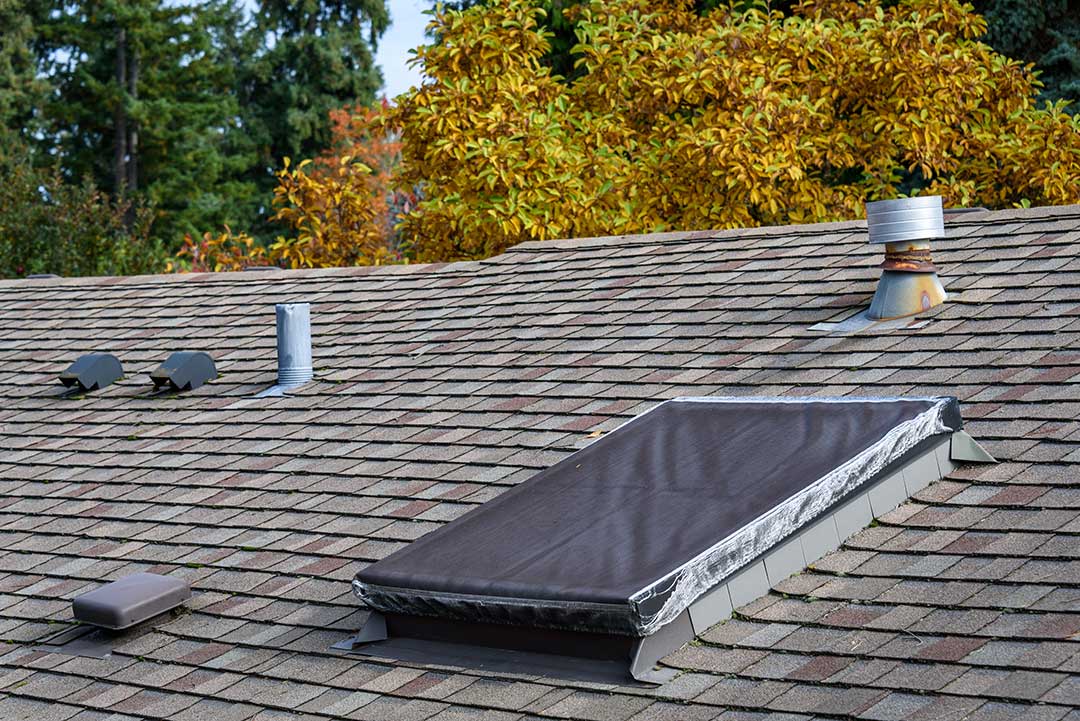
A new wall, dormer, or roof plane should not simply be fastened over existing flashing. Water must have a continuous path downhill, with properly layered membranes and metal or other approved flashing components.
Roof work that intersects with insulation and ventilation also needs coordination. Blocking soffit vents with insulation, covering ridge ventilation, or sealing attic air pathways incorrectly can contribute to condensation, ice buildup, and premature roof deterioration.
How does Ithaca weather affect renovation timing?
Weather planning matters because a roof opening can become dangerous quickly during a storm or freeze. Rain is an obvious concern, but wet snow, ice, wind, and repeated temperature changes also create risks.
For this area, renovation schedules should include contingency time for:
- Sudden rain during otherwise mild weather
- Wind that can lift temporary coverings
- Snow accumulation on unfinished framing
- Ice around ladders, scaffolding, and roof edges
- Freeze-thaw movement that loosens temporary seals
- Delays in drying wet sheathing before insulation or interior finishes are installed
Roof sheathing and framing should be dry before they are enclosed. Trapping moisture beneath insulation, vapor-control layers, or finished ceilings can lead to mold, wood decay, and persistent indoor odors.
Are permits needed for renovation work that affects the roof?
Roof-related renovation work may require a building permit, especially when it involves structural changes, new openings, additions, roofing alterations, electrical work, plumbing, or changes that must comply with state and local building and energy codes.
Permit requirements can vary according to the project and whether the property is located within the city or another local jurisdiction. Confirm the requirements before construction begins. A permit application is not the same as an issued permit, so work should not begin until required approvals are in place.
Projects affecting historic buildings, structural safety, fire separation, or public safety may involve additional review. Keeping approved plans available on site helps different workers follow the same roof, framing, ventilation, and weatherproofing details.
What should be checked before the renovation is considered complete?
The final roof inspection should occur before ceilings, insulation, siding, or interior finishes conceal the work. Look for:
- Continuous flashing around every new opening
- Properly sealed fasteners and penetrations
- No exposed underlayment where permanent roofing is required
- Clear gutters, downspouts, and drainage paths
- No punctures from ladders, scaffolding, tools, or debris
- Dry framing and sheathing
- Adequate attic ventilation
- Secure shingles, membranes, caps, and edge materials
- No daylight or water staining in the attic
After the first substantial rain, inspect the attic and upper-floor ceilings again. Some leaks appear only when wind pushes rain beneath flashing or when melting snow moves across a roof transition.
Protecting a roof during renovation means treating temporary conditions as seriously as permanent construction. A covered opening, protected roof edge, clear drainage path, and documented final inspection can prevent a remodeling project from creating a second, unrelated repair problem.
