
Roof pests rarely enter through the middle of an intact roof. They usually find small openings where roofing materials meet walls, chimneys, vents, soffits, or other building components. Once inside, animals may nest in the attic, damage insulation, contaminate surfaces, or create openings that allow additional pests to enter.
Where do pests usually get into a roof?
The most common entry points are roof edges, ventilation openings, damaged flashing, and gaps around materials that have shifted over time. A hole does not need to be large to become a problem. Mice can fit through openings roughly the width of a pencil, while bats and insects may use even narrower cracks.
Frequent access points include:
- Loose or missing soffit panels
- Gaps along fascia boards
- Damaged ridge, gable, or roof vents
- Torn screens behind attic vents
- Openings around plumbing and electrical penetrations
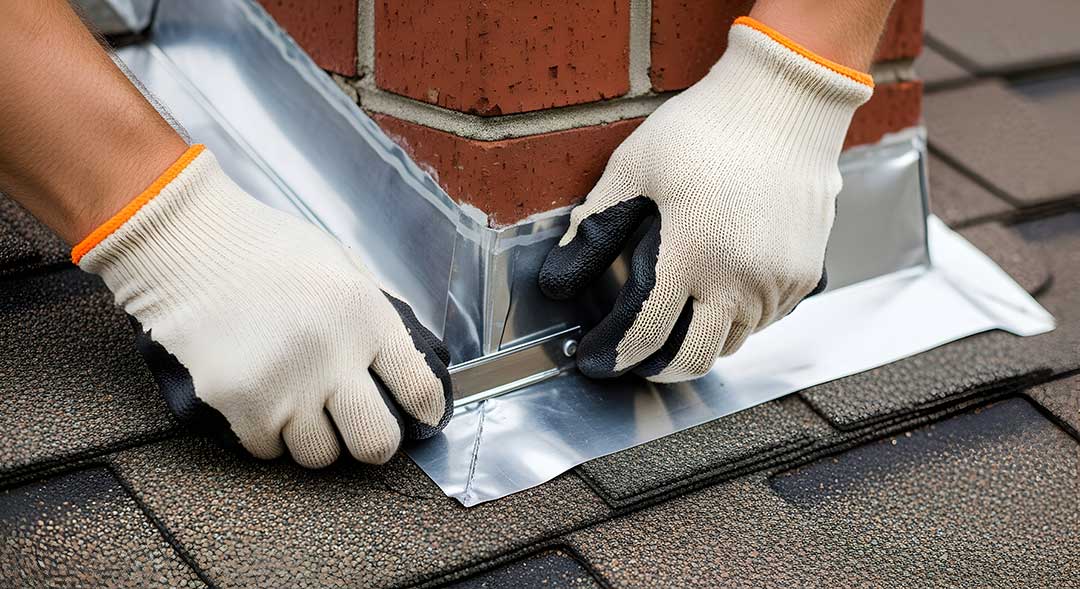
- Gaps where a chimney meets the roof
- Lifted or deteriorated flashing
- Missing shingles near roof edges
- Unsealed spaces beneath architectural trim
- Openings around satellite, antenna, or other roof-mounted equipment
In older homes, several small defects may exist at once. A roof can appear sound from the ground while still having gaps at the eaves or behind vent covers.
How do animals reach the roof?
Animals often use nearby trees, utility lines, fences, and attached structures as access routes. Squirrels can climb directly onto a roof from overhanging branches. Raccoons may use a tree trunk, porch roof, or deck structure to reach a lower roof edge. Birds can enter through vents or build nests against openings.
Ithaca’s wooded neighborhoods and mature residential landscaping can increase the number of natural pathways to a roof. Branches that touch or closely overhang the roof also drop leaves and twigs into gutters and valleys. That debris can hold moisture against roofing materials and contribute to decay near vulnerable edges.
Snow and ice can create additional stress during winter. Freeze-thaw cycles may loosen flashing, widen existing cracks, or pull apart joints that were already deteriorating. Spring storms can then lift shingles, damage vent screens, or expose gaps that wildlife quickly discovers.
Which pests are most likely to enter an attic?
Different pests use different parts of the roof system.
Mice and other rodents commonly enter through gaps at soffits, roof-wall joints, vents, and utility penetrations. They may chew insulation, wiring, plastic components, and soft building materials. Rodent activity often becomes more noticeable during cold weather when sheltered attic space is attractive.
Squirrels frequently use damaged soffits, roof vents, and openings near the eaves. They may enlarge a small gap by chewing. Scratching or quick movement heard during daylight hours can point to squirrel activity.
Bats can enter through loose vent screening, roof peaks, gaps in flashing, and places where siding or roofing materials have separated. They may use openings that are difficult to see from the ground. Droppings below a roofline or repeated bat activity around dusk can indicate an entry point.
Birds may enter through ridge vents, gable vents, chimney openings, or damaged screens. Nesting material can block ventilation and create a fire or moisture concern near electrical components.
Raccoons usually need a larger opening than mice or bats. They may exploit weakened roof edges, damaged vents, or areas where a roof meets a chimney or wall. Their weight can worsen existing damage quickly.
Insects may use cracks around trim, flashing, vents, and roof penetrations. Carpenter ants and wasps do not always enter through the roof itself, but roof cavities and damp wood can provide sheltered nesting areas.
Can roof ventilation let pests inside?
Yes. Roof ventilation is necessary for managing attic heat and moisture, but vents can become entry points if their screens are damaged, missing, or poorly fitted.
Ridge vents, soffit vents, gable vents, and turbine vents should allow air movement while blocking animals and debris. A vent that has been bent by wind, clogged by nesting material, or separated from surrounding materials may provide an opening into the attic.
Blocking a vent with insulation, plastic, or improvised materials can create a different problem by restricting airflow. Pest exclusion should preserve the intended ventilation path. Corrosion-resistant mesh or a properly designed replacement screen is generally more suitable than materials that rodents can easily chew.
How can you tell if pests are entering through the roof?
Look for both exterior clues and attic evidence. A single sign may not identify the animal, but several signs together can narrow down the likely entry point.
Exterior clues may include:
- Torn or displaced vent screens
- Shingle edges that are lifted or missing
- Dark staining below a gap
- Droppings on siding, roof decking, or ledges
- Chewed wood near the eaves
- Nesting material visible through a vent
- Greasy marks or rub marks around a frequently used opening
- Daylight visible through the attic from an unusual location
Inside the attic, listen for timing and movement. Noises during the day may suggest squirrels or birds, while nighttime sounds may point toward mice, raccoons, or other nocturnal animals. Scratching, gnawing, fluttering, and repeated thumping have different likely causes, although sound alone is not a reliable identification method.
A flashlight inspection from a safe location can reveal droppings, nesting material, disturbed insulation, or daylight around roof penetrations. Avoid crawling across areas that are not designed to support weight, especially where the attic floor is covered only by insulation.
Does sealing one hole solve the problem?
Not always. An opening may be an exit route rather than the primary entrance, and animals may use more than one gap. Sealing an occupied space can also trap young animals inside or separate a mother from a nest.
Before closing an opening, it is necessary to determine whether animals are currently using it. This is especially important with bats and nesting wildlife. Seasonal timing can matter, and local wildlife rules may affect how certain animals can be excluded or relocated.
A durable repair should address the cause of the opening, not simply cover it with caulk or spray foam. Rodents can chew through many soft materials. Larger gaps may require metal mesh, repaired wood, replacement vent components, or properly installed flashing.
How can homeowners reduce roof pest entry?
Routine observation and maintenance help prevent small defects from becoming wildlife access points.
- Keep tree limbs from resting on or closely overhanging the roof.
- Inspect soffits, fascia, vents, and roof edges after major wind or ice events.
- Keep gutters clear so trapped moisture does not damage roof-edge materials.
- Check attic vents for torn screening, nests, and loose fasteners.
- Seal openings around cables and pipes with materials suited to the size and location of the gap.
- Keep chimney openings protected with an appropriate cap that does not interfere with safe operation.
- Store birdseed, pet food, and garbage securely to avoid attracting wildlife near the house.
- Do not cover required roof ventilation with insulation or temporary patches.
The most useful inspection is often from inside the attic as well as from the ground. Roof edges that look normal outside may show water staining, nesting, or daylight from the attic side.
When is a roof pest problem a safety issue?
Wildlife in an attic can create health and structural concerns, particularly when droppings, urine, parasites, damaged wiring, or contaminated insulation are present. A person should not handle bats, raccoons, or other wild animals directly. Extra caution is warranted after any possible bite, scratch, or contact with saliva.
Roof access also presents fall hazards, especially on steep, wet, icy, or snow-covered surfaces. If identifying or repairing an entry point requires walking on the roof, working near electrical lines, disturbing an animal, or entering a contaminated attic, the task may require trained assistance and appropriate protective equipment.
A pest problem is often best understood as a roof-maintenance problem as well as a wildlife problem. Finding and correcting the opening, preserving ventilation, and confirming that animals are no longer inside are all necessary parts of a lasting solution.
