
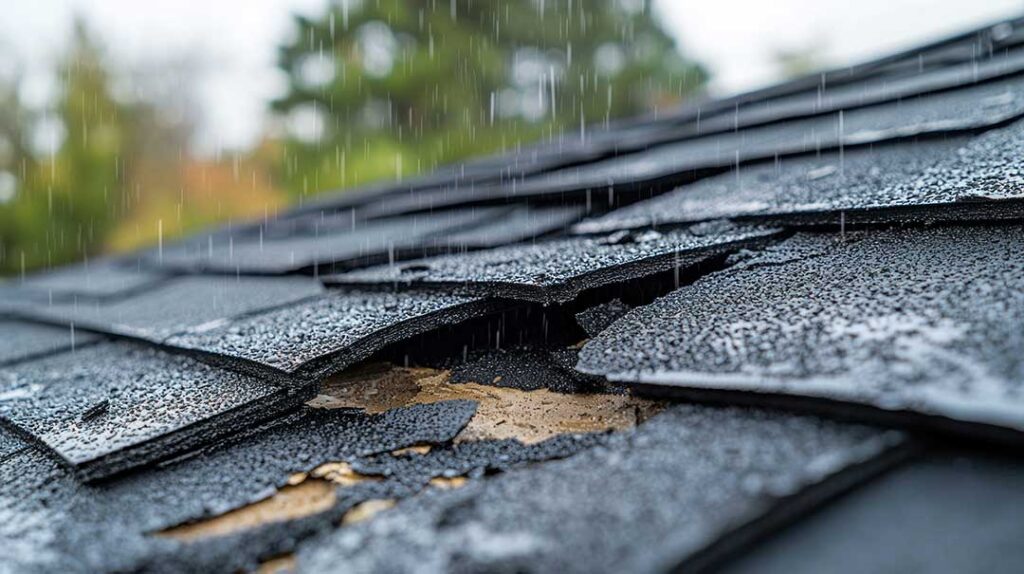
What are soffits and fascia?
Soffits are the finished surfaces beneath roof overhangs, while fascia are the vertical boards or trim along the lower edge of a roof. Together, they form the visible transition between the roofline and the exterior walls.
Although these components are often treated as decorative trim, they also help protect the roof system and the upper portions of the house. Soffits can support attic ventilation, while fascia commonly helps secure gutters and shields roof edges from weather exposure.
On many homes in Ithaca, NY, soffits and fascia are made from painted wood, aluminum, vinyl, or composite materials. The material affects appearance, maintenance needs, and how damage develops over time.
What does a soffit do?
A soffit covers the underside of a roof overhang and may contain vents that allow air to enter the attic. This incoming air is part of a ventilation path that can help warm, moist air leave through higher roof or attic vents.
Proper airflow can help reduce several common attic problems:
- Moisture buildup on roof sheathing and insulation
- Condensation during cold weather
- Uneven roof temperatures
- Ice formation along roof edges under certain conditions
- Premature deterioration of roofing materials
Not every soffit is vented. Some houses use continuous vent strips, while others have individual openings or no intentional soffit ventilation at all. Vents must also remain open. Paint, insulation, insect nests, dust, and poorly installed repairs can block the small openings.
In a cold, snowy climate, attic ventilation works together with insulation and air sealing. Vent openings alone cannot correct heat loss from an under-insulated attic or air leakage from living spaces below.
What does fascia do?
Fascia is installed along the roof edge, usually behind the gutter. It provides a finished appearance and creates a firm surface for attaching gutter systems. It can also help protect the ends of roof rafters or trusses from rain, snow, and sun.
Fascia boards are especially vulnerable where water repeatedly reaches the roof edge. Common causes include:
- Overflowing or clogged gutters
- Leaking gutter joints or end caps
- Drip edges that are missing, damaged, or incorrectly positioned
- Roofing materials that have deteriorated near the eaves
- Ice buildup and meltwater during winter weather
- Unsealed joints in wood trim
Fascia damage may begin as soft wood, peeling paint, dark staining, or small areas of rot. By the time the problem is visible from the ground, moisture may also have affected the roof decking, rafter ends, or soffit behind the trim.
How do soffits and fascia work together?
The roof edge is a connected system rather than a collection of separate boards. Water should shed from the roof surface onto the drip edge and into the gutter, while the soffit should remain protected beneath the overhang.
A typical roof edge may include:
1. Roofing shingles or another roof covering
2. Underlayment and roof decking
3. A drip edge along the eave
4. Fascia or fascia trim
5. Gutters and downspouts
6. Soffit panels beneath the overhang
7. Attic insulation and ventilation pathways above the ceiling
A change to one part can affect the others. For example, replacing fascia without correcting a leaking gutter may leave the new material exposed to the same moisture. Covering a damaged soffit without checking for rot can conceal a continuing problem. Adding insulation over an unprotected soffit vent can also restrict attic airflow.
What problems are common in Ithaca homes?
Seasonal moisture is one of the main concerns. Snow, freezing rain, summer storms, humidity, and repeated freeze-thaw cycles can all stress roof-edge materials. Older homes may also have several layers of paint, previous repairs, or roof modifications that make the eaves difficult to inspect.
Wood soffits and fascia require particular attention because they can absorb water through exposed end grain, joints, nail holes, and areas where paint has failed. Aluminum and vinyl do not rot, but they can bend, loosen, crack, or conceal deterioration in the wood framing behind them.
Trees near a house can add another layer of maintenance. Leaves and small branches may collect in gutters, while shade can slow drying after rain or snowmelt. Birds, insects, and small animals may also use openings in damaged soffits as entry points.
How can a homeowner recognize damage?
Some signs are easy to see, while others require a closer inspection from a safe location. Watch for:
- Sagging or separated soffit panels
- Peeling, blistered, or cracked paint
- Brown stains or streaks beneath the roof edge
- Soft spots in exposed wood
- Gaps between fascia and gutters
- Gutters pulling away from the roofline
- Evidence of birds, insects, or animals entering the eaves
- Damp insulation or musty odors in the attic
- Daylight visible through areas that should be enclosed
A roof edge that looks straight from the ground can still have hidden moisture damage. Conversely, a loose vinyl panel may be a limited trim issue rather than evidence of major structural deterioration. The severity depends on what is behind the visible surface.
Should soffit vents be covered in winter?
Soffit vents should not normally be covered simply because the weather is cold. Their purpose is to provide controlled intake airflow, and blocking them can increase attic moisture and reduce the effectiveness of the overall ventilation system.
Winter problems are more often caused by warm, humid air leaking into the attic from the living space. Bathroom fans that exhaust into the attic, gaps around light fixtures, unsealed attic hatches, and missing insulation can all contribute to condensation.
Snow and ice concerns should be evaluated separately. Heavy ice buildup at the eaves may indicate heat loss, air leakage, ventilation limitations, drainage problems, or a combination of factors. Covering vents does not reliably solve those causes.
Can soffits and fascia be repaired or replaced?
Minor damage may be repairable when the surrounding material remains sound. A small section of loose trim, a damaged vent screen, or a limited area of peeling paint may not require replacement of the entire roof edge.
Replacement becomes more likely when materials are extensively rotted, repeatedly separating, or no longer able to support gutters. If fascia is being replaced, the condition of the rafter ends, roof decking, drip edge, and gutter attachments should also be considered.
Repairs near roof edges can involve ladders, unstable surfaces, sharp metal, and concealed decay. Work becomes especially hazardous when snow, ice, steep slopes, or overhead utility lines are present. Safety and building-code requirements may justify qualified assistance for inspection or repairs that cannot be performed from a stable, protected location.
How can these components last longer?
Routine observation and water management usually provide the greatest benefit. Keep gutters and downspouts clear, make sure water is directed away from the foundation, and watch for changes after major storms or periods of snowmelt.
For painted wood, maintain sound exterior coatings and repair failed joints before water can enter. Do not seal over wet or decayed material. If soffit panels are replaced, preserve the intended ventilation openings rather than covering them with solid material.
A useful inspection schedule includes a ground-level check in spring and fall, plus an attic look for dampness, staining, blocked vents, or daylight. These simple checks can reveal whether a roof-edge concern is primarily cosmetic, related to drainage, or connected to a larger attic or roofing problem.
