
Which roof style is better for homes in Ithaca, NY?
Neither flat roofs nor sloped roofs is automatically better. The right choice depends on the building’s design, drainage needs, usable attic space, maintenance expectations, and ability to handle snow, ice, rain, and seasonal temperature changes.
For many traditional houses in the area, a sloped roof is the more practical option because its pitch helps shed water and snow. Flat roofs can also perform well, especially on additions, garages, commercial buildings, and modern homes, but they require careful drainage design and regular observation.
How do flat and sloped roofs differ?
A flat roof is not perfectly level. It is usually built with a slight slope so rainwater and melting snow can move toward drains, gutters, or roof edges. Common flat-roof systems use membranes or layered materials designed to protect a broad, low-pitch surface.
A sloped roof has a visible pitch, ranging from a mild incline to a steep design. Water generally runs toward eaves and gutters, while snow may slide or melt gradually depending on the roof angle, surface, insulation, and weather conditions.
The distinction affects more than appearance. Roof pitch influences:
- How quickly water leaves the roof
- Whether snow remains on the surface
- The type of roofing material that can be used
- Attic ventilation and insulation options
- Access for maintenance
- The amount of interior space beneath the roof
Why are sloped roofs common in the local housing stock?
Sloped roofs suit houses that need dependable drainage through wet seasons and winter weather. A pitched surface gives water a natural path away from the building and can reduce the time moisture remains against roofing materials.
Steeper roofs may also help limit the accumulation of heavy, wet snow. However, pitch alone does not guarantee that snow will slide off safely. Snow can remain in valleys, behind roof features, near dormers, or along areas with limited sun exposure. Roof shape, insulation, ventilation, surface texture, and nearby trees all affect how snow behaves.
Many older homes also have established roof forms such as gables, hips, and dormers. Replacing one of these with a different shape may affect the building’s appearance, attic ventilation, flashing details, and drainage layout.
What are the advantages of a sloped roof?
A sloped roof generally offers strong water-shedding performance and a broad range of material choices. Depending on the pitch and structure, it may support asphalt shingles, metal panels, slate, tile, or other systems.
Other potential advantages include:
- More attic or storage space
- Easier installation of conventional gutters
- Natural separation between the roof surface and living areas
- Greater design compatibility with older houses
- Reduced chance of standing water when drainage is properly maintained
Sloped roofs are not maintenance-free. Gutters can clog with leaves, roof valleys can collect debris, and flashing around chimneys, skylights, and walls can deteriorate. A steep roof can also be difficult and hazardous to inspect without proper equipment.
What are the advantages of a flat roof?
Flat roofs can make efficient use of a building’s upper surface. They are often suitable for additions, porches, garages, compact structures, and contemporary designs where a low-profile appearance is preferred.
A flat roof may provide:
- A simple architectural profile
- Less roof area than a comparable pitched design
- Space for rooftop equipment or carefully designed outdoor uses
- Straightforward access for qualified maintenance work
- Flexibility for additions and buildings with limited attic needs
The main limitation is drainage. Because water moves slowly across a low-slope roof, small problems with drains, scuppers, edges, or membrane seams can become significant. Standing water may place extra stress on the roof system and increase the chance of leakage.
A flat roof should never be treated as a surface that can be ignored simply because it is easier to see. Drainage paths need to remain clear, and ponding after rain or snowmelt deserves attention.
Which roof handles snow and ice better?
A properly designed roof of either type can handle expected winter conditions. The question is less about shape alone and more about structural capacity, drainage, insulation, ventilation, and maintenance.
Sloped roofs usually move water and some snow away more readily. This can reduce the duration of moisture exposure, but sliding snow can create hazards over entrances, walkways, parked vehicles, or lower roofs. Snow guards or other protective design features may be needed in certain layouts.
Flat roofs keep more snow on the building until it melts or is removed through the drainage system. That makes structural design and maintenance especially important. Snow should not be shoveled from a roof casually; uneven removal can damage roofing materials or create unbalanced loads.
Ice dams are possible on sloped roofs when heat escapes into a cold attic and melts snow near the upper roof area. They are usually related to insulation, air sealing, ventilation, and roof geometry rather than pitch alone.
Are flat roofs more likely to leak?
Flat roofs are not automatically prone to leaks, but drainage and detailing are less forgiving. A small opening at a seam, penetration, edge, or drain can allow water to remain in contact with the roofing system longer than it would on a properly sloped surface.
Sloped roofs can leak as well, particularly around:
- Chimneys
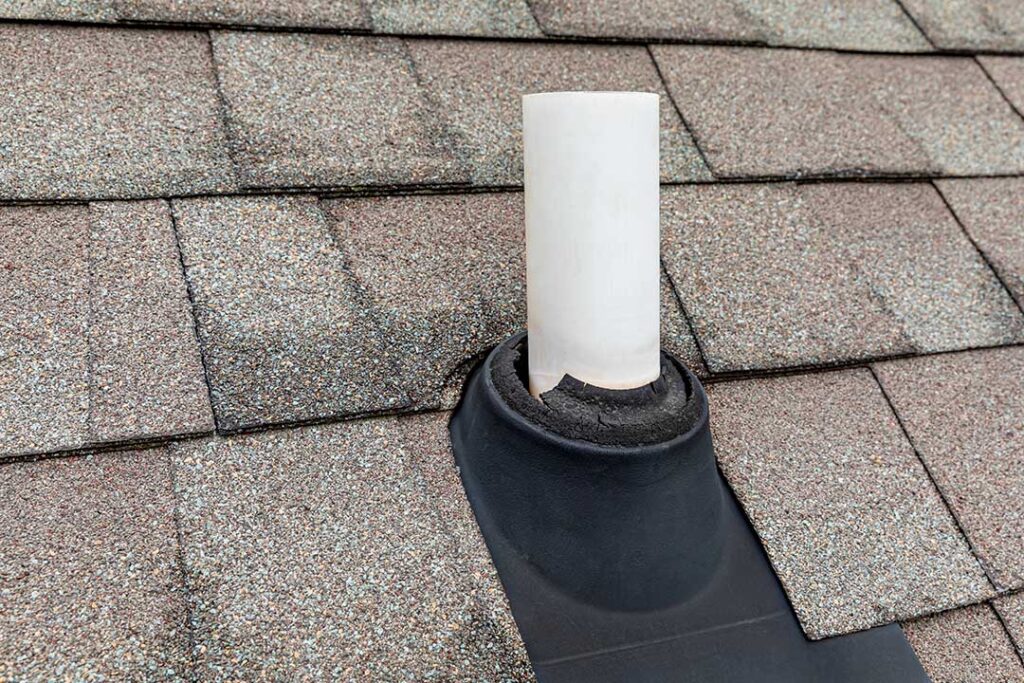
- Plumbing vents
- Skylights
- Wall intersections
- Roof valleys
- Damaged or missing roofing materials
- Improperly installed flashing
In both designs, the quality of installation and the condition of the drainage system often matter more than the roof shape by itself.
Which design is easier to maintain?
A low-slope roof may be easier to observe because much of its surface is visible and accessible. That does not mean it is safer for untrained walking. Roofing membranes can be damaged by tools, sharp debris, improper footwear, or repeated foot traffic.
Sloped roofs generally require more caution during inspection. Gutters, flashing, and roof edges can often be checked from the ground, but climbing onto a roof during wet, icy, or snowy conditions is hazardous.
Routine observation should look for:
- Water stains on ceilings or upper walls
- Sagging areas
- Damaged flashing
- Blocked drains or gutters
- Granules or roofing pieces in drainage areas
- Peeling paint near roof edges
- Damp insulation or musty attic odors
Leaks may appear far from the point where water enters, so interior stains do not always identify the exact exterior problem.
What should homeowners consider before choosing a roof style?
The building itself should guide the decision. A flat roof may fit an addition but look out of place or create complicated drainage where it meets an existing pitched roof. A steeply sloped design may improve drainage but reduce usable exterior space or alter the character of an older structure.
Consider these factors:
- Existing roof shape and structural framing
- Snow and wind exposure
- Attic insulation and ventilation
- Gutter, drain, and downspout placement
- Chimneys, dormers, skylights, and wall intersections
- Access for future inspection and maintenance
- Local building requirements and permit needs
- Whether the roof will support equipment or other added loads
A roof replacement is not simply a choice between two appearances. Changing the pitch or drainage pattern can affect wall details, attic conditions, upper-floor ceilings, and where water flows onto the property.
How can someone make the choice?
For a conventional house with an existing pitched roof, retaining a compatible sloped design is often the least disruptive approach. It preserves the building’s drainage pattern and usually works with the existing framing and exterior details.
A flat or low-slope roof may be appropriate for a modern structure, garage, porch, or addition when the roof assembly includes dependable drainage, adequate structural support, durable edge details, and suitable insulation.
The most reliable choice is the one that matches the building’s structure, handles local seasonal moisture and snow, and can be inspected and maintained safely over time.
