
What are soffits and fascia?
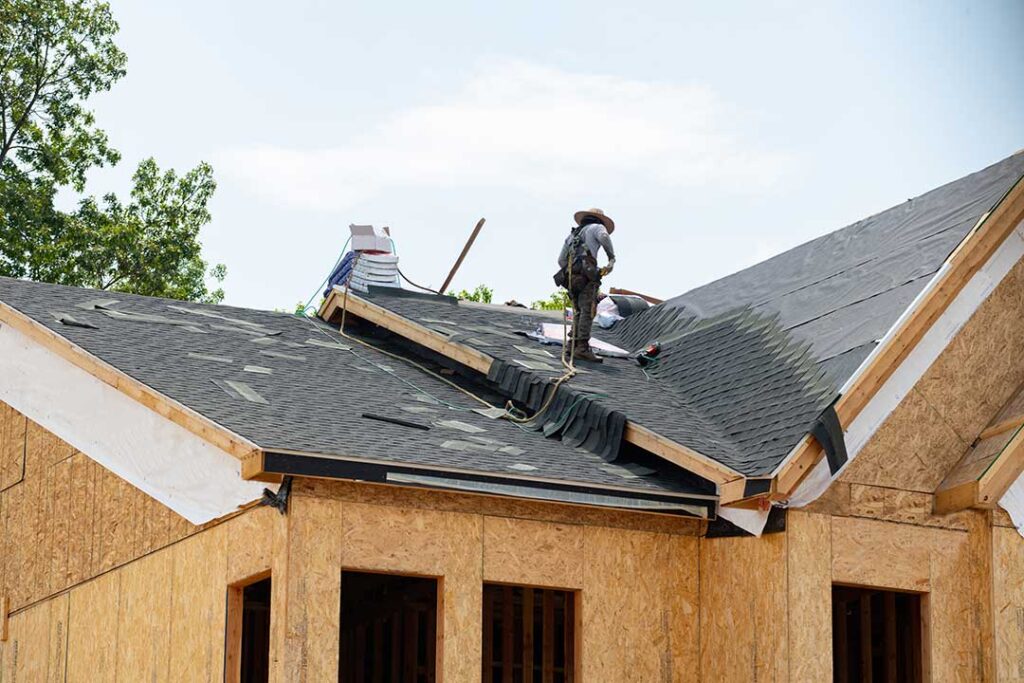
Soffits and fascia are the finishing components along a roof’s lower edge. The soffit is the material installed on the underside of the roof overhang, while the fascia is the vertical board or trim attached to the roof edge. Together, they help protect the roof structure, support drainage components, and give the roofline a finished appearance.
Although these parts are visible from the ground, their functional role is easy to overlook. Problems with soffits or fascia can allow moisture, pests, and poorly directed airflow to affect the attic and roof system.
What does a soffit do?
A soffit closes the open space beneath a roof overhang. Its main functions are protecting the roof framing from weather and allowing controlled ventilation into the attic.
Many soffits include small vents or perforated panels. These openings allow outside air to enter near the lower edge of the roof. When combined with higher exhaust vents, soffit ventilation helps move warm, humid air out of the attic.
Good attic airflow can help reduce:
- Moisture buildup beneath the roof
- Condensation on roof framing and fasteners
- Premature deterioration of insulation
- Ice formation along the lower roof edge
- Excessive summer heat in the attic
A soffit should not be treated as a substitute for all other ventilation components. Air must be able to travel from the soffit intake toward an appropriate exhaust point. If insulation blocks the intake openings or the attic lacks a balanced exhaust path, the ventilation system may not work as intended.
What does fascia do?
Fascia is the vertical trim board or covering at the edge of the roof. It commonly sits behind the gutters and helps provide a firm surface for gutter attachment.
The fascia helps:
- Protect roof framing from rain and melting snow
- Cover the ends of rafters or trusses
- Support or help anchor the gutter system
- Create a finished transition between the roof and exterior walls
- Limit access for birds, squirrels, bats, and insects
Because gutters are often fastened to or near the fascia, damaged fascia can affect drainage. If the board becomes soft, split, or detached, gutter fasteners may loosen. That can cause the gutter to sag, pull away, or drain water toward the siding and foundation instead of away from the house.
Why do these components matter in Ithaca?
Ithaca, NY homes experience a mix of heavy rain, freezing temperatures, snow, wind, and repeated seasonal changes. Those conditions place regular stress on roof edges and exterior trim.
Moisture can enter through clogged gutters, overflowing downspouts, damaged shingles, wind-driven rain, or ice buildup. Once water reaches unprotected wood behind the fascia or soffit, decay may develop gradually. Freeze-thaw cycles can widen cracks and loosen joints, while winter snow and ice add weight to gutters and roof edges.
Older homes may also have roof details that were built before modern ventilation practices became common. Enclosed soffits, blocked vents, painted-over openings, and attic insulation installed too tightly against the roof deck can all reduce airflow.
The roof edge deserves particular attention after:
- Heavy snow or ice accumulation
- Windstorms
- Long periods of clogged gutters
- Roof replacement or exterior painting
- Ice dam formation
- Squirrel, bird, or insect activity near the eaves
How can a homeowner recognize soffit or fascia damage?
Some problems are visible from the ground, while others become apparent only after inspecting the attic or roof edge. Common warning signs include peeling paint, dark stains, sagging sections, cracks, holes, and gaps at corners.
Other signs may include:
- Gutters pulling away from the roofline
- Water stains on exterior walls below the eaves
- Rot at the ends of roof rafters
- Damp or compressed attic insulation
- Musty attic odors
- Visible mold-like discoloration
- Insects or animals entering through roof-edge openings
- Daylight visible where a soffit or fascia should be closed
A small hole does not always mean the entire system needs replacement. A limited section may be repairable if the underlying wood remains sound. However, covering damaged material without correcting the source of moisture can conceal a larger problem.
Can soffit and fascia problems cause roof leaks?
They can contribute to leaks, although the actual source may be elsewhere. Damaged fascia can allow water behind gutters and into the roof edge. Open or deteriorated soffits can expose rafter ends, insulation, and attic areas to wind-driven rain and pests.
Roof leaks may also appear near soffits even when the water enters higher on the roof. Water can travel along roof decking, framing, or insulation before becoming visible inside the home. For that reason, a stain near the eaves does not necessarily identify the exact entry point.
Water management should be considered as a complete system that includes shingles, flashing, valleys, gutters, downspouts, soffits, fascia, and the surrounding wall surface.
What materials are commonly used?
Soffits and fascia may be made from wood, aluminum, vinyl, fiber cement, or composite materials. Each has different maintenance requirements.
Wood can match older home designs and can be painted, but it requires regular attention to moisture, coating failure, and rot. Aluminum and vinyl resist many forms of decay and are often used to cover or replace exposed trim. However, they can still be bent, pulled loose, or damaged by impact. Composite and fiber-cement products may offer dimensional stability, but installation details remain important.
The material alone does not determine performance. Proper slope, flashing, ventilation openings, fastening, corner treatment, and protection from standing water matter just as much.
How should soffit vents be maintained?
Soffit vents should remain open and free of dirt, insect nests, paint, and insulation blockage. Exterior cleaning should be gentle enough to avoid bending thin panels or forcing water into the attic.
Inside the attic, insulation should not be packed tightly against the roof edge if doing so blocks ventilation channels. Special air channels may be needed to keep the path open between the soffit intake and the upper attic.
Ventilation is not improved simply by adding more openings. Intake and exhaust ventilation should be reasonably balanced, and powered attic fans should not pull air from the living space through ceiling leaks or recessed fixtures.
Is damaged fascia or soffit a safety issue?
Minor cosmetic deterioration may not be urgent, but some conditions require prompt attention. Loose panels can fall during wind, rotten fascia can allow gutters to detach, and exposed openings can permit animals or moisture into the structure.
Work near roof edges, ladders, ice, and unstable gutters also presents a genuine fall hazard. Inspection or repair may require specialized equipment when the roof is steep, the ground is uneven, or the material is badly deteriorated. Electrical wiring, older coatings, and concealed structural damage can add further risks.
Keeping soffits and fascia intact helps the roof edge manage water, support ventilation, and withstand the seasonal conditions common in the area. Regular observation from the ground, especially after winter and major storms, can reveal changes before minor deterioration spreads into the roof structure or attic.
