

Roof problems do not always begin with age or severe weather. Many develop because materials were installed incorrectly, flashing was missed, ventilation was poorly planned, or water was directed toward vulnerable areas. In Ithaca, NY, repeated rain, freeze-thaw cycles, snow, wind, and shaded roof surfaces can make these installation flaws visible sooner.
A roof may look acceptable from the ground while still having defects beneath the surface. Knowing the warning signs can help residents document a problem early, reduce interior damage, and distinguish normal wear from installation-related trouble.
What are the clearest signs of poor roof installation?
The most reliable signs include uneven shingle lines, exposed fasteners, missing or damaged flashing, recurring leaks in isolated areas, inadequate ventilation, and roof surfaces that do not shed water properly.
Some defects are visible from the ground. Others appear in the attic or only after rain, snow, or strong wind.
Look for these conditions:
- Shingles that appear wavy, buckled, crooked, or misaligned
- Different sections with noticeably inconsistent exposure or color
- Roofing nails or fasteners visible where they should be covered
- Shingles that lift easily at the edges
- Gaps around vents, chimneys, skylights, or roof-wall intersections
- Water stains that return after repairs
- Gutters receiving excessive granules soon after installation
- Roof sections that sag or hold standing water
- Ice buildup near the eaves during cold weather
A single cosmetic irregularity does not always prove that the entire roof was installed poorly. Several related signs, especially those connected with water entry or wind damage, deserve closer attention.
Why do uneven or crooked shingles matter?
Shingle courses should follow consistent lines and spacing. Noticeably crooked rows may indicate rushed layout, poor alignment, or installation over an uneven surface.
Small visual inconsistencies may remain cosmetic, but larger problems can affect performance. Misaligned shingles may create gaps, reduce the designed overlap, or expose areas that should be protected by the next course. Shingles installed too tightly or too loosely can also buckle or shift as temperatures change.
From the ground, check whether horizontal lines look reasonably straight across the roof. Look for isolated shingles that are raised, folded, or positioned higher than neighboring materials. Do not climb onto the roof to inspect them, especially when surfaces are wet, icy, steep, or covered with loose granules.
What does exposed roofing hardware indicate?
Roofing fasteners should generally be covered by overlapping materials or placed in approved fastening zones. Visible nails, screws, or other hardware can allow water to follow the fastener into the roof assembly.
Exposed fasteners are especially concerning around:
- Ridge caps and hip caps
- Flashing near walls and chimneys
- Plumbing vent areas
- Shingle edges
- Valleys and roof transitions
A few visible fasteners may have been used for a specific repair or accessory, but they should be sealed appropriately when exposed to weather. Rusting hardware, dark streaks below a fastener, or soft sheathing in the attic can indicate that water has been entering for some time.
How can flashing problems cause leaks?
Flashing directs water away from joints and changes in roof plane. It is commonly used around chimneys, sidewalls, skylights, dormers, roof valleys, and plumbing penetrations.
Poor flashing installation is one of the most common reasons a relatively new roof leaks. Warning signs include cracked sealant, loose metal, flashing that appears to end too soon, or shingles installed directly against a wall without a properly integrated water-shedding detail.
Leaks caused by flashing may not appear directly below the defect. Water can travel along rafters, roof decking, insulation, or interior framing before becoming visible on a ceiling or wall. A stain near a chimney, for example, does not necessarily mean the leak is located at the point where the stain appears.
Repeated staining in the same general area after several repairs often suggests that the underlying flashing or drainage detail was never corrected.
Can poor ventilation be a sign of installation problems?
Yes. Inadequate or improperly balanced ventilation can contribute to moisture buildup, premature shingle aging, and winter ice problems.
A roof ventilation system typically depends on a balanced movement of air between intake areas near the lower roof edge and exhaust areas near the ridge or upper roof. Blocking intake paths with insulation, installing exhaust vents without enough intake, or adding vents without considering the whole attic can reduce effectiveness.
Possible signs include:
- Condensation or frost on the underside of the roof deck
- Damp insulation or musty attic odors
- Rusted fasteners or corroded metal components
- Excessively hot attic conditions during summer
- Shingles aging faster on one roof section than another
- Repeated ice dams along the eaves
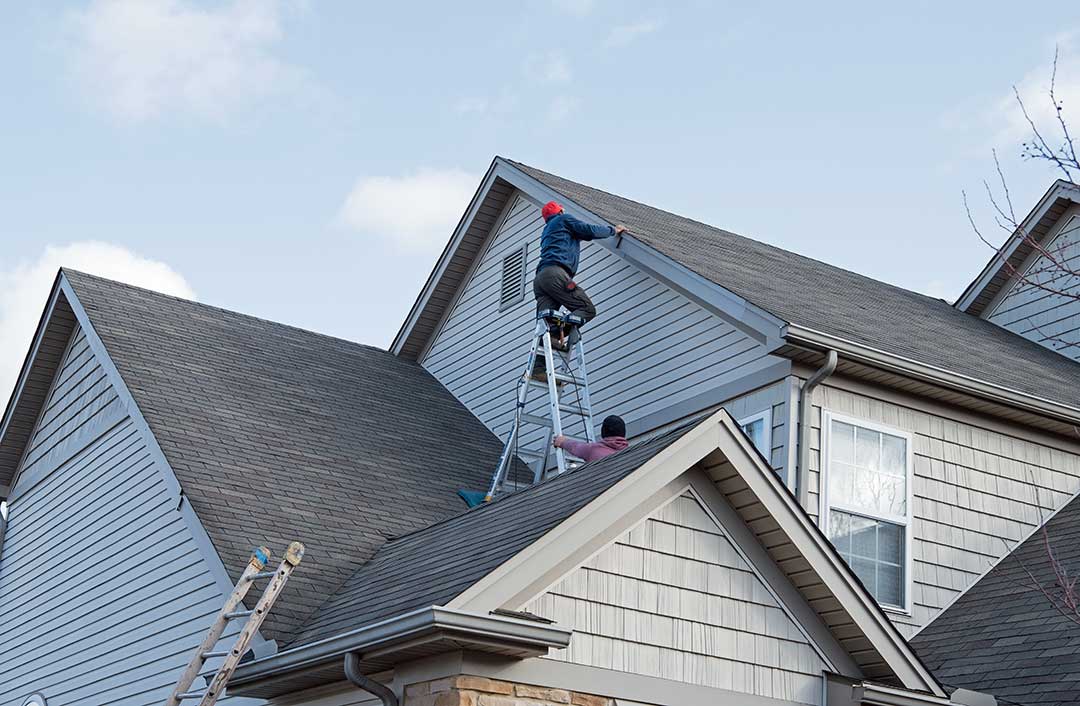
Cold winters and frequent temperature changes in Ithaca can make attic moisture and ice-related defects more noticeable. Ice dams are not always caused by poor roofing installation; insulation, air leakage, roof geometry, and weather patterns also matter. A complete evaluation should consider all of these factors.
What does poor drainage look like?
A properly installed roof should move water toward gutters, downspouts, or other planned drainage points. Water that collects in valleys, behind chimneys, or near wall intersections may indicate a design or installation problem.
After rain, observe the ground and exterior walls for unusual water flow. Overflowing gutters in one location, water spilling behind gutters, or staining below a roof valley can point to drainage problems. Inside the attic, darkened sheathing or damp wood near valleys may confirm that water is entering.
Standing water is more commonly associated with low-slope roof sections than steep shingle roofs. On any roof, however, repeated pooling deserves attention because freeze-thaw cycles can enlarge small openings and damage nearby materials.
Are granules in the gutters a sign of bad installation?
A limited amount of loose granule material can appear after new shingles are handled or exposed to initial weather. A large or continuing amount of granule loss, particularly soon after installation, may indicate damaged shingles, excessive foot traffic, manufacturing defects, or improper installation.
Granules protect the asphalt coating from ultraviolet exposure and weathering. Their loss can leave shingles more vulnerable to deterioration.
Check whether granules are concentrated below one roof section or near a valley. Localized loss may point to damage during installation or a drainage path that is wearing the shingles. Granule loss alone does not identify the exact cause, but it is more meaningful when combined with exposed asphalt, bald patches, or prematurely curling shingles.
What should residents check inside the attic?
The attic can reveal installation problems that are difficult to see from outside. Inspection is safest from a stable access area rather than by walking on ceiling joists or insulation.
Look for:
- Water stains or darkened wood on the roof deck
- Damp insulation
- Daylight visible around roof penetrations
- Mold-like growth caused by persistent moisture
- Rusted nails or metal connectors
- Compressed insulation blocking lower ventilation openings
- Sagging or weakened sheathing
A dry stain may be old, while a fresh stain, damp wood, or active dripping suggests a current or recurring problem. After a storm, attic checks can help identify leaks before interior paint, drywall, or insulation becomes extensively damaged.
When does a roof defect require prompt attention?
Prompt attention is warranted when water is actively entering, the roof deck is sagging, electrical components may be wet, shingles are lifting across a broad area, or a chimney, vent, or other roof feature appears unstable.
Safety also matters. Roof surfaces can be slippery from rain, frost, moss, or loose granules. Ladder work near overhead wires or on uneven ground creates additional hazards. Observations from the ground, attic access, and upper-floor windows are usually safer than walking on the roof.
Keep dated photographs of visible defects, interior stains, attic conditions, and weather events. Documentation can help determine whether a problem is isolated, recurring, or spreading. It also preserves useful information about when the issue first appeared and whether it follows rain, snow, or strong wind.
Poor installation is not always obvious immediately. Some defects emerge only after several seasons of moisture and temperature changes. Regular visual checks, especially after major weather, can reveal small warning signs before they become larger structural or interior problems.
