
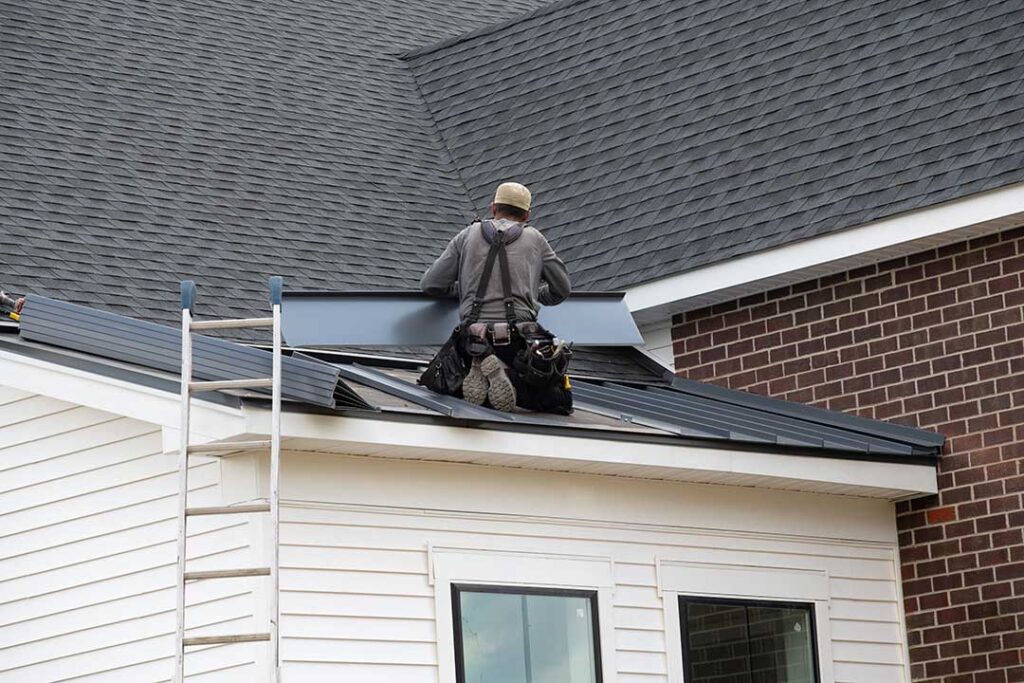
Replacing only part of a roof can be more complicated than choosing a similar-looking color. Shingles age, fade, weather differently, and may no longer be manufactured in the same profile. A good match depends on the shingle’s size, shape, thickness, exposure, color blend, and installation details—not appearance alone.
Can replacement shingles be matched exactly?
Usually, an exact match is possible only when the existing shingles are relatively new and the same product is still being manufactured. Even then, older shingles may have changed color after years of sunlight, rain, snow, ice, and airborne debris.
A replacement bundle can look noticeably different from the roof around it because:
- The new shingles have not weathered.
- The original shingles have faded unevenly.
- Manufacturing formulas or color blends have changed.
- The roof contains shingles from more than one production period.
- The replacement shingles have a different surface texture or thickness.
For a small repair, the goal is often a reasonable visual and functional match rather than a perfect one. On a prominent roof slope, however, even a small color difference may be visible from the street or nearby windows.
What information is needed to identify the existing shingles?
The most useful starting point is the original shingle packaging, if any bundles remain in storage. The wrapper may list the manufacturer, product name, color, shingle type, lot information, and installation instructions.
If no packaging is available, examine the shingles themselves and record:
- Shingle type, such as three-tab or architectural.
- Approximate dimensions.
- Color and color pattern.
- Number of exposed courses or rows.
- Surface texture and thickness.
- Shape of the cutouts or tabs.
- Presence of algae-resistant granules or other visible features.
- Approximate installation year.
A loose shingle from the roof can help with identification, but removing one can create a new vulnerability if the surrounding shingles are brittle or the fasteners are difficult to access. A clear photograph of both the full roof slope and a close-up of the shingle pattern is often more useful than a description such as “dark gray.”
Why do roof measurements matter?
Shingles that appear similar may have different dimensions and exposure. Exposure is the portion of each shingle that remains visible after the next row is installed. If the exposure does not match, the replacement section may create irregular horizontal lines or an obvious change in pattern.
Important measurements include:
- Shingle length and width.
- Exposure from one course to the next.
- The width and shape of cutouts.
- The distance from the roof edge to visible course lines.
- The location of existing seams and fasteners.
A replacement shingle that is slightly different in size may not align with the existing layout. Cutting it to fit can affect the seal strip, nail placement, wind resistance, and water-shedding design. Matching dimensions is therefore a performance issue, not merely a cosmetic concern.
How can color be compared accurately?
Color should be evaluated outdoors in natural daylight, preferably from several angles. A shingle can look different in direct sun, shade, overcast conditions, and late-afternoon light. Indoor lighting and phone cameras can also distort gray, brown, green, and blended colors.
Compare the new shingle with the roof surface after removing loose granules and debris from the area. Avoid judging a match from a small sample alone. Many roofing colors contain several tones that become visible only when viewed across a full slope.
For a better comparison:
- Place the sample beside intact shingles rather than over a damaged section.
- View it from the ground and from the roof edge.
- Compare both color and texture.
- Look at the roof after it has dried.
- Check whether the existing shingles have heavy moss, algae, or staining that changes their appearance.
New shingles may appear brighter or more saturated than older ones. This difference usually becomes less noticeable over time, but it does not always disappear completely.
Do replacement shingles need to match the original type?
Yes, the replacement should generally match the original shingle style and installation system. Three-tab shingles should not be casually mixed with architectural shingles on the same visible section. Their profiles, exposures, shadow lines, and fastening patterns differ.
Other compatibility issues include:
- Thickness and flexibility.
- Seal-strip location.
- Nail-line placement.
- Underlayment arrangement.
- Ridge, hip, and valley details.
- Ventilation components.
- Flashing around walls, chimneys, skylights, and roof penetrations.
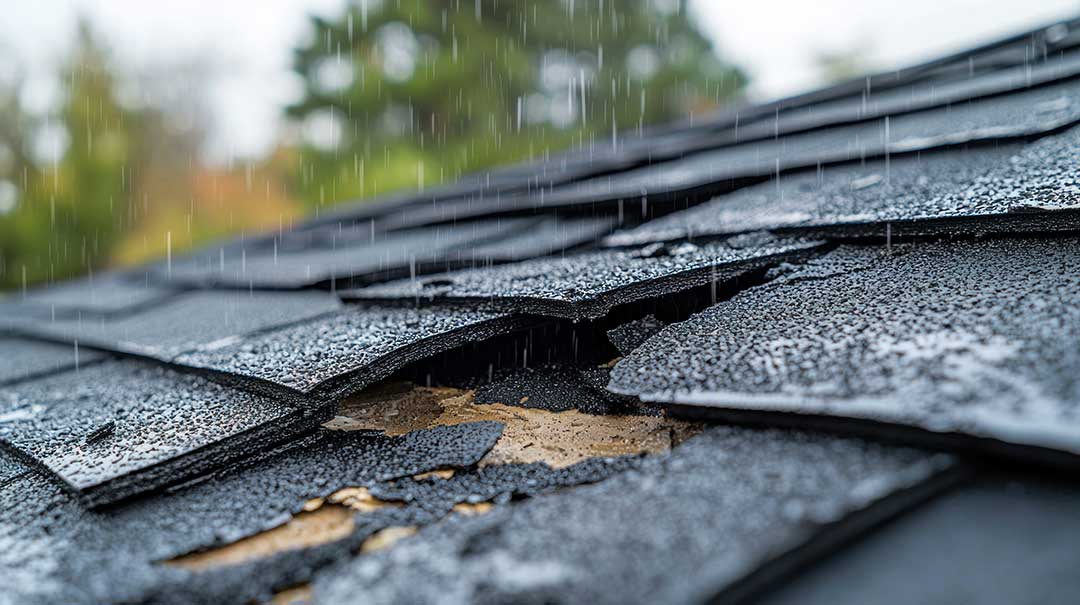
A thick architectural shingle installed beside a thinner three-tab shingle can produce a raised edge or uneven transition. A shingle with a different seal strip may also fail to bond as intended if it is installed outside the manufacturer’s approved pattern.
What if the original shingle is discontinued?
Discontinued shingles are common on older homes. In that situation, several approaches may be considered depending on the size and location of the damaged area.
A visually similar shingle may work for a small, less noticeable repair if its dimensions and installation requirements are compatible. A larger repair may look better if shingles are taken from a less visible roof slope and used on the damaged area, although moving shingles can cause breakage and should not be done casually.
For extensive damage, replacing a complete roof plane can create a more consistent appearance than scattering different replacement shingles across multiple areas. The decision depends on the roof’s age, remaining service life, extent of damage, and whether the existing shingles can be removed without damaging the deck or surrounding materials.
How does Ithaca’s climate affect matching and repairs?
In Ithaca, roofs experience repeated freeze-thaw cycles, winter snow, ice, spring moisture, summer sun, and occasional wind-driven rain. These conditions can make older shingles brittle and can expose differences in weathering between new and existing materials.
A patch that looks acceptable in dry weather may reveal problems after the first cold season if shingles are cracked, improperly sealed, or installed over damp materials. Snow and ice also make roof work more hazardous and can conceal lifted edges or damaged flashing.
Seasonal conditions matter during inspection:
- Wet shingles can appear darker than they are.
- Cold shingles are less flexible and more likely to crack.
- Snow can hide damaged areas and roof penetrations.
- Algae and moss may obscure the original color.
- Wind can loosen older shingles around exposed edges and roof transitions.
Repairs should also account for ice-dam risk, attic ventilation, and water entry around valleys and penetrations. A color match cannot compensate for a flashing or drainage problem.
Is it acceptable to mix different shingle colors?
Mixing colors intentionally can create a designed appearance, but accidental mixing is usually noticeable. Randomly placing unmatched shingles may draw attention to the repaired area and can make the roof appear patchy.
If an exact product is unavailable, the most consistent approach is usually to keep the substitute within the same color family and use it in a logical area rather than scattering it. A replacement that matches the roof’s overall blend may be less noticeable than one that matches only its darkest or lightest granules.
The practical standard is not whether the sample looks identical in a hand, but whether the completed repair fits the roof’s pattern, profile, exposure, and weathered appearance.
When should a partial repair be reconsidered?
A small repair may not be the best long-term choice when the surrounding roof is near the end of its service life, has widespread granule loss, or shows cracking across multiple slopes. Replacing one damaged patch on a fragile roof can lead to additional breakage during the work.
Reconsider a small patch when:
- Shingles are brittle across the roof.
- Granules are collecting heavily in gutters.
- Several areas have lifted or missing shingles.
- Flashing is failing in more than one location.
- The same leak returns after repairs.
- The original shingle cannot be matched in size or profile.
- The roof deck may have moisture damage.
Safety also matters. Steep slopes, icy conditions, fragile shingles, and roof edges without secure footing create hazards that should not be treated as ordinary maintenance tasks. In those circumstances, evaluation by a qualified roofing professional is appropriate.
A useful matching process starts with identification, not color. Confirm the shingle type, dimensions, exposure, installation pattern, and roof condition before deciding whether a repair can blend into the existing surface.
