
Why do moss and algae grow on roofs?
Moss and algae grow when a roof stays damp for long periods, receives limited sunlight, or collects organic debris. Ithaca, NY has a cool, seasonally wet climate, along with wooded neighborhoods and frequent shade from mature trees, so roof surfaces may remain moist well after rain, snowmelt, or morning dew.
Moss is a small plant that forms soft green clumps or mats. It can take hold where leaves, twigs, and dirt collect, especially along roof edges, beneath overhanging branches, and in roof areas facing away from the strongest sunlight.
Algae usually appears as dark green, gray, or black streaks. It is often mistaken for dirt or general roof aging. Algae staining is commonly cosmetic at first, but persistent moisture can create conditions that also support moss and lichen growth.
Does roof moss cause damage?
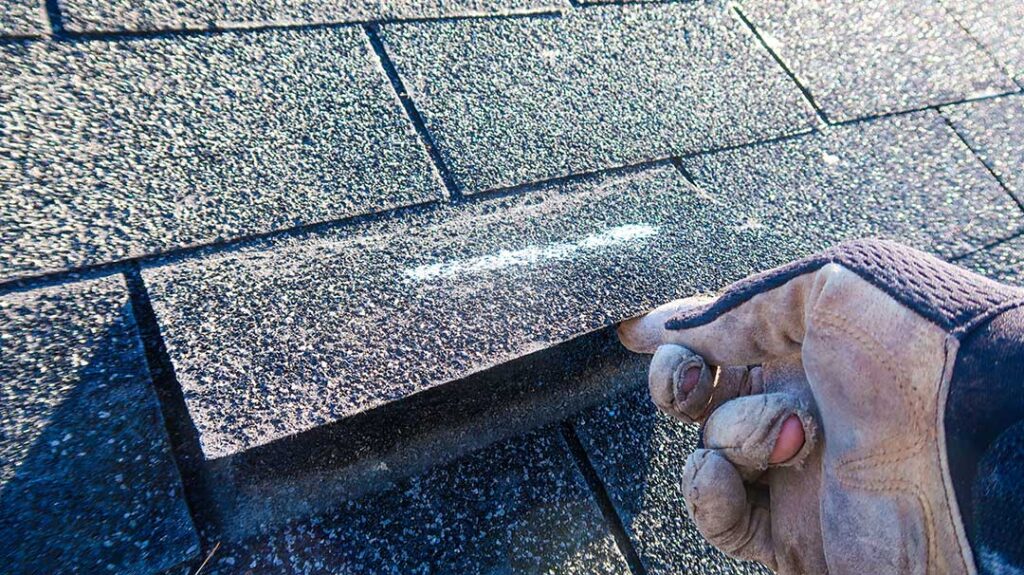
Moss can contribute to roof damage if it is allowed to spread. Its growth may lift or separate shingles, trap moisture against the roofing material, and slow drying after rain or snow. During freezing weather, trapped moisture can expand and place additional stress on shingles and exposed roof components.
Moss is especially concerning when it grows along shingle edges or penetrates beneath overlapping courses. A small amount of growth does not automatically mean the roof needs replacement, but it should not be ignored if it is thick, spreading, or associated with lifted shingles.
Algae generally causes less direct structural damage than moss. However, heavy staining can make it harder to identify damaged shingles, missing granules, or early signs of deterioration.
How can homeowners tell whether growth is moss, algae, or lichen?
The appearance and texture provide useful clues:
- Algae: Flat discoloration or streaks, often dark green, gray, or black.
- Moss: Raised, soft, cushion-like growth with a green or yellow-green appearance.
- Lichen: Crusty or leafy patches that may be pale green, gray, white, or orange.
- Mold or mildew: Dark surface growth that may also appear on nearby siding, gutters, or shaded building materials.
These conditions can occur together. A roof with dark streaks may have algae alone, while a roof with thick, textured patches may have moss or lichen that requires more cautious removal.
What is the safest way to remove roof moss?
The safest approach is to avoid aggressive scrubbing, pressure washing, and walking on the roof whenever possible. Asphalt shingles can lose protective granules when scraped or blasted, and wet roofing surfaces are particularly slippery.
For minor growth that can be reached safely from the ground, homeowners may begin by trimming nearby branches and removing loose leaves from gutters and roof edges. Do not pull firmly on established moss, because the growth may be attached to or beneath shingles.
A roof-cleaning solution labeled for the specific roofing material may help loosen algae or moss over time. Applications should follow the product directions carefully, including instructions about dilution, runoff, nearby plants, and protective equipment. Some cleaning agents can damage landscaping, metal surfaces, painted materials, or exterior finishes.
Never mix cleaning chemicals. Combining products can create dangerous vapors or unexpected reactions.
If removal requires climbing onto a steep, wet, or visibly fragile roof, the risk of falling or causing damage is greater than the benefit of treating a minor stain. Safety is a valid reason to avoid do-it-yourself roof access.
Is pressure washing a good solution?
Pressure washing is generally a poor choice for asphalt shingles and many other roofing materials. High-pressure water can strip away granules, force water beneath shingles, damage flashing, and shorten the service life of the roof.
Pressure washing may also spread debris and contaminated runoff onto siding, decks, gardens, and walkways. Even when the roof looks cleaner immediately afterward, the surface may be more vulnerable to weathering.
A low-pressure treatment designed for the roofing material is usually less damaging than forceful washing, but it still requires attention to runoff and plant protection. Cleaning should remove the cause of moisture buildup rather than simply making the roof look new for a short time.
How can moss and algae growth be prevented?
Prevention begins with improving drying conditions and reducing organic buildup. Useful steps include:
- Keep gutters and downspouts clear so water does not back up along roof edges.
- Remove leaves and small branches before they form damp, compacted layers.
- Trim tree limbs that heavily shade the roof or drop debris onto it.
- Keep roof valleys, drainage paths, and areas beneath roof penetrations free of buildup.
- Check attic ventilation and insulation when condensation or persistent roof dampness is suspected.
- Replace damaged or missing shingles promptly so moisture cannot enter beneath the roof covering.
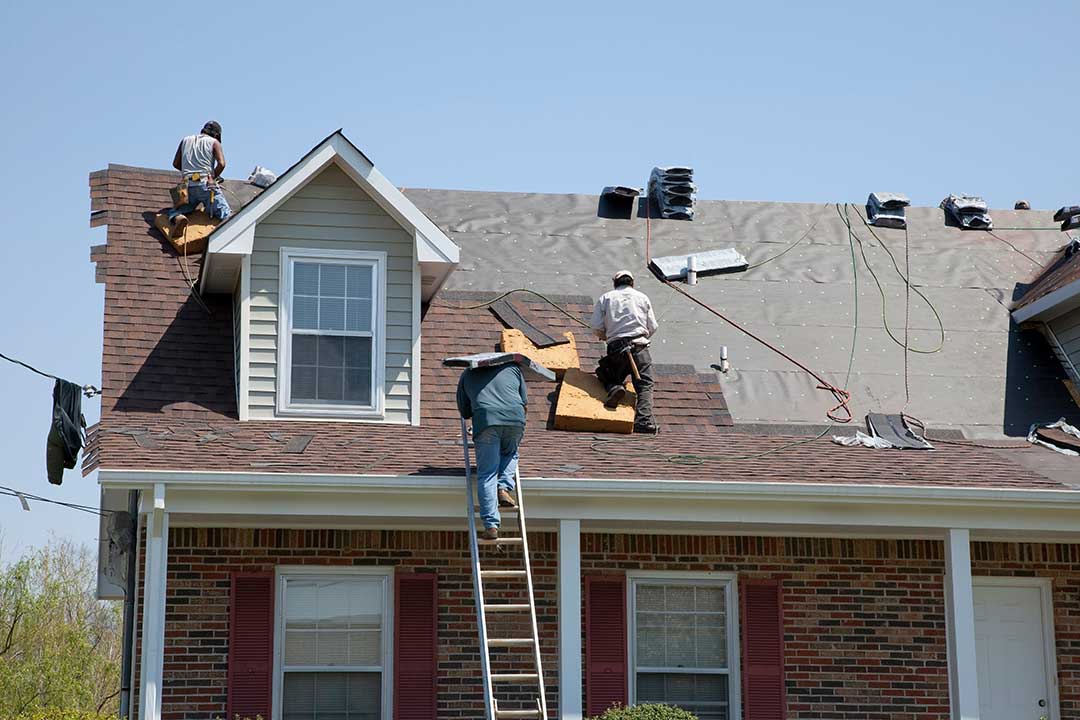
Metal strips installed near the roof ridge are sometimes used to limit new moss or algae growth. Rain can carry small amounts of metal across the roofing surface, making it less favorable for some organisms. These strips are not a complete treatment, and they do not remove established growth. They also need to be installed without damaging shingles, flashing, or roof ventilation.
Can moss and algae be removed during winter?
Winter is usually not the ideal time for roof cleaning in Ithaca. Snow, ice, frozen runoff, and short daylight hours increase fall hazards and make it difficult to evaluate the roof surface accurately. Cold conditions can also affect how cleaning products work and how runoff moves.
A visual inspection from the ground may still identify obvious problems, such as heavy moss, blocked gutters, or branches resting on the roof. More extensive cleaning is generally easier during a dry period when the roof surface, ladders, and surrounding ground are free of ice.
After winter, inspect areas where snow has accumulated or where ice dams may have formed. Moss may not be the cause of every roof leak; flashing failures, damaged shingles, clogged drainage, and attic condensation can produce similar symptoms.
When does moss indicate a larger roofing problem?
Moss deserves closer attention when it appears with any of the following signs:
- Shingles that are lifted, curled, cracked, or missing
- Loose granules collecting in gutters or at downspout outlets
- Water stains in the attic or on upper-floor ceilings
- Sagging roof sections
- Damaged chimney, skylight, or plumbing-vent flashing
- Repeated dampness despite clear weather
- Moss concentrated in one area where water drains slowly
A roof that repeatedly develops growth may have excessive shade, poor drainage, inadequate ventilation, or a surface nearing the end of its useful life. Cleaning alone may not solve the underlying condition.
Roof work should not be attempted from an unsafe position, especially during wet weather, on steep slopes, near overhead wires, or where shingles appear brittle. In those situations, the practical priority is preventing falls and avoiding additional roof damage while the condition is evaluated safely.
Are dark roof streaks a reason to replace the roof?
Usually not. Dark algae streaks are often a surface appearance issue rather than proof that the roofing system has failed. Replacement decisions should be based on the roof’s overall condition, age, leakage history, shingle loss, flashing performance, and remaining serviceability.
Moss is more concerning than flat algae staining because it can hold moisture and disturb shingles. Even so, the presence of moss alone does not establish that replacement is necessary. A careful inspection of the roof covering, drainage, flashing, and attic conditions provides a more reliable answer than appearance by itself.
