

How does a roof affect home energy use?
A roof influences energy efficiency mainly through insulation, air sealing, ventilation, moisture control, and sunlight exposure. In a cold-weather community such as Ithaca, a poorly insulated attic can allow heated indoor air to escape during winter, while inadequate ventilation can contribute to moisture problems and ice dams.
The roof covering itself is only one part of the system. A relatively new roof can still perform poorly if the attic floor has thin insulation, gaps around light fixtures, an unsealed attic hatch, or blocked soffit vents.
For most homes, the largest energy-related improvements involve the boundary between the living space and the attic—not simply replacing shingles.
Why is attic insulation especially important in Ithaca?
Attic insulation slows the movement of heat between the home and the outdoors. During the heating season, it helps keep warmth inside the living space instead of allowing it to rise into the attic and escape through the roof.
Homes in Ithaca experience long periods of cold weather, repeated freeze-thaw cycles, snow, and changing humidity. These conditions make attic performance especially important. Heat loss through the ceiling can increase heating demand, create cold rooms on upper floors, and contribute to uneven indoor temperatures.
A quick inspection can reveal whether more insulation may be needed:
- If insulation is level with or below the tops of the attic floor joists, the attic may benefit from additional insulation.
- If the insulation is compressed, wet, or uneven, its performance is reduced.
- Darkened areas around ceiling penetrations may indicate air leakage.
- Frost, dampness, musty odors, or water staining point to moisture problems that should be addressed before adding insulation.
Insulation should not simply be piled over every opening. Recessed lights, chimneys, wiring, plumbing vents, and attic hatches require appropriate clearances and sealing methods.
Does roof ventilation make a house warmer or colder?
Proper attic ventilation helps the roof assembly stay durable without directly heating or cooling the living space. In winter, ventilation helps keep the attic cold, reducing the chance that heat from the house will warm the underside of the roof and melt snow unevenly.
That uneven melting can cause water to refreeze near cold eaves, forming ice dams. Ice dams can push water beneath roof materials and damage ceilings, insulation, framing, and exterior walls.
In summer, ventilation allows hot air and moisture to leave the attic. A typical balanced system uses intake vents near the soffits and exhaust vents near the ridge or upper roof area. Insulation baffles help preserve an open air channel between the soffits and the roof deck.
A common mistake is covering soffit vents with insulation. This blocks airflow and can make the attic less effective at managing heat and moisture. Another mistake is adding an attic fan without sealing the ceiling below. If the attic floor has air leaks, a fan may pull conditioned indoor air into the attic, increasing energy use.
Should air sealing come before adding insulation?
Yes. Air sealing should generally be completed before installing additional attic insulation. Insulation slows heat transfer, but it does not reliably stop air movement through cracks and openings.
Common leakage points include:
- Attic hatches and pull-down stairs
- Gaps around plumbing pipes and electrical wiring
- Openings around chimneys and flues
- Recessed lighting fixtures
- Ductwork penetrations
- Holes around bathroom fans and other ceiling-mounted fixtures
- Top plates where walls meet the attic floor
Warm indoor air carries moisture. If it enters a cold attic, that moisture can condense on roof sheathing, nails, or framing. Over time, repeated condensation may contribute to mold, wood deterioration, or reduced insulation performance.
Air sealing must be done carefully around heat-producing equipment and combustion vents. Some materials require special clearances, and certain older electrical systems may create safety concerns when surrounded by insulation.
Can a new roof make a home more energy efficient?
A new roof can improve energy performance, but the result depends on the entire roof assembly. Replacing the exterior covering alone does not correct inadequate attic insulation or air leakage.
During a roof replacement, energy-related improvements may include:
- Repairing damaged or moisture-stained roof decking
- Improving flashing around roof penetrations
- Restoring blocked or missing ventilation pathways
- Adding insulation where the roof design allows it
- Using appropriate underlayment and water-control details
- Sealing transitions between the roof, walls, and attic
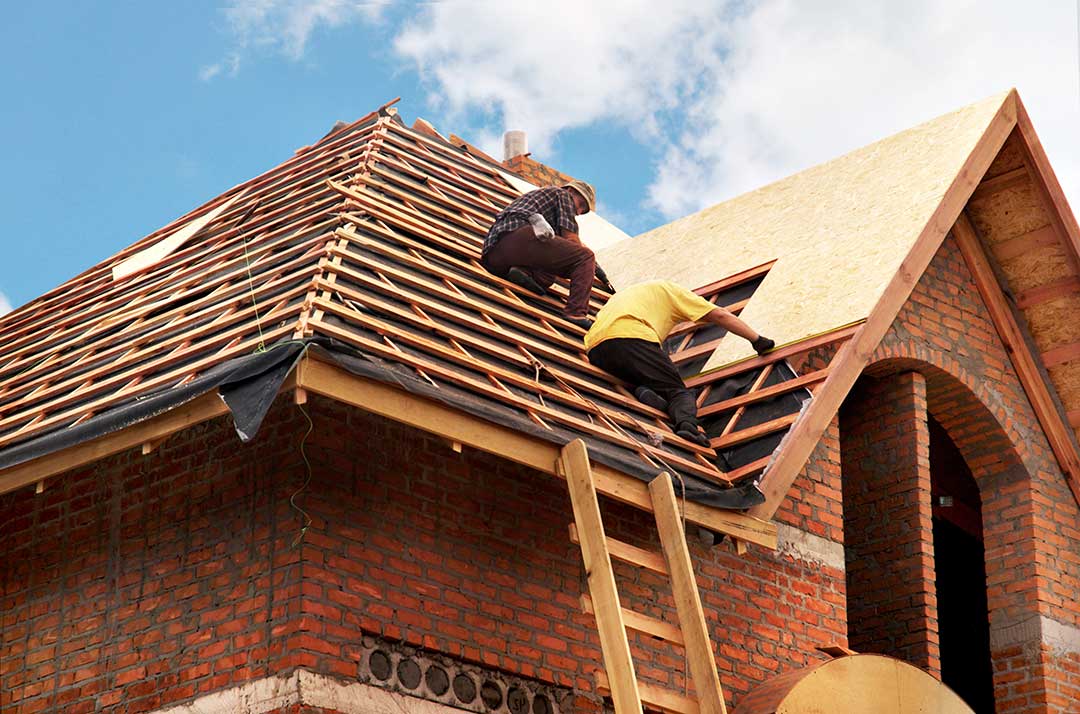
Some homes have cathedral ceilings or finished attic rooms without a traditional attic floor. In those areas, insulation is located within the roof slope. Improving efficiency may require carefully designed changes to the roof assembly so that insulation, air control, vapor control, and ventilation work together.
Adding insulation without considering moisture movement can create condensation problems. Roof assemblies should be evaluated as complete systems rather than as separate layers.
Are reflective or “cool” roofs useful in this climate?
Reflective roofing can reduce roof surface temperatures during sunny weather, but its benefits are generally greater in hot climates with heavy air-conditioning use. In Ithaca, winter heating demand is usually a more significant concern for many households than summer cooling demand.
That does not mean roof color is irrelevant. A lighter or more reflective roof may help reduce summer attic temperatures, particularly in a home with limited insulation. However, roof color should not be treated as a substitute for proper air sealing, insulation, and ventilation.
For homes with well-insulated attics, the energy difference between roofing colors may be modest. Durability, snow-shedding characteristics, roof slope, installation quality, and compatibility with the existing structure also matter.
How can homeowners check roof-related energy problems safely?
A homeowner can begin with observations from the living space and, if safe, a limited attic inspection. Useful signs include:
- Rooms directly below the roof feel unusually cold in winter.
- Snow melts in isolated strips while surrounding roof areas remain covered.
- Ice dams form repeatedly at the eaves.
- Attic insulation is wet, displaced, or missing near the edges.
- Bathroom or kitchen exhaust vents discharge into the attic rather than outdoors.
- Roof sheathing shows dark staining, frost, or signs of condensation.
- Heating or cooling costs seem unusually high compared with similar periods.
Do not walk on a steep, icy, fragile, or visibly damaged roof. Attic spaces may also contain exposed nails, unstable boards, poor lighting, wiring hazards, or inadequate ventilation. Safety and building-code requirements become especially important when insulation is added, ventilation is changed, or roof work affects a finished ceiling.
New York’s residential energy and building requirements can apply to roof insulation, air control, ventilation, and roof construction. Requirements may vary depending on the type of work and the existing building. Any project involving structural changes, combustion equipment, suspected hazardous materials, or significant moisture damage deserves careful evaluation before work begins.
What roof upgrades usually provide the greatest energy benefit?
For many area homes, the practical order is:
1. Find and correct active roof leaks or moisture problems.
2. Seal air leaks between the living space and attic.
3. Add or improve attic insulation without blocking ventilation.
4. Confirm that soffit and upper-roof ventilation pathways are balanced.
5. Address ducts, attic hatches, and ceiling penetrations.
6. Consider roof-assembly improvements during planned roof replacement.
The most effective approach depends on the home’s age, roof design, attic access, heating system, insulation type, and history of ice dams or moisture problems. A roof that sheds water well may still waste energy, while an energy-focused upgrade can fail if it traps moisture. Good performance comes from managing heat, air, and water together.
