
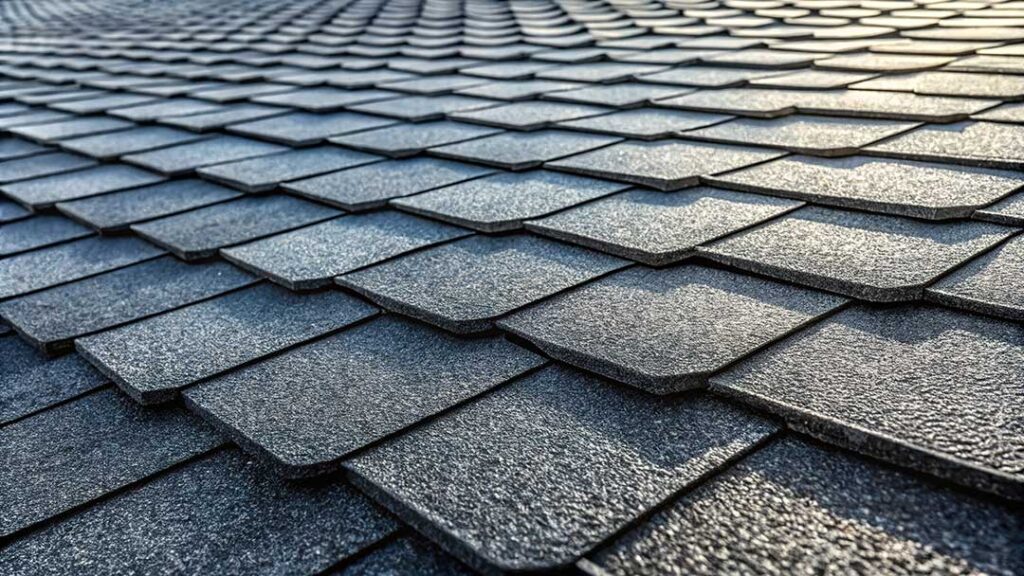
A professional roof inspection is a structured evaluation of the roof covering, drainage system, flashing, attic, and related structural components. The purpose is to identify current problems, conditions that may lead to damage, and maintenance needs before they become more expensive or hazardous.
For homeowners in Ithaca, NY, inspections can be especially useful after winter weather, heavy rain, strong winds, or repeated freeze-thaw cycles. Snow, ice, moisture, and temperature changes can affect roofing materials in ways that are not always visible from the ground.
What does a roof inspection include?
A complete inspection usually involves three parts: an exterior review, an interior or attic review, and a written explanation of the findings.
The inspector may begin by asking about the roof’s age, past repairs, leaks, ice buildup, storm damage, or changes noticed inside the home. Information from the homeowner can help connect visible conditions with problems that may be occurring beneath the roof surface.
The inspection is not limited to looking for missing shingles. A roof can appear relatively intact while still having damaged flashing, poor drainage, hidden moisture, or weakened decking.
What is examined on the outside?
The exterior inspection focuses on the roof surface and the areas where water enters, leaves, or changes direction. Depending on roof slope, weather, and safety conditions, the inspector may examine the roof from the surface, from a ladder, or with tools such as binoculars and a camera.
Commonly reviewed areas include:
- Shingles, panels, slate, or other roof coverings
- Missing, cracked, curled, blistered, loose, or heavily worn materials
- Exposed fasteners or deteriorated sealant
- Valleys where two roof sections meet
- Ridges, hips, eaves, and roof edges
- Flashing around chimneys, skylights, walls, and plumbing vents
- Gutters, downspouts, and other drainage components
- Signs of wind damage, animal entry, moss, or trapped debris
- Sagging areas or visible unevenness in the roof plane
Flashing receives particular attention because it protects joints and penetrations that are naturally vulnerable to leaks. A roof may have sound shingles but still leak around a chimney, wall intersection, vent, or skylight.
Inspectors also look at the roof’s overall drainage pattern. Clogged gutters, undersized downspouts, or poor discharge locations can send water against siding, foundations, or roof edges.
Why are the attic and ceilings inspected?
The attic often provides evidence that cannot be seen from the roof surface. Moisture stains, damp insulation, rusted nails, mold-like growth, and darkened wood can indicate leaks or condensation.
An attic review may include:
- Roof decking and rafters
- Insulation levels and condition
- Ventilation openings
- Signs of roof leaks or wind-driven rain
- Condensation around nails or roof sheathing
- Daylight visible through unintended gaps
- Evidence of pests or deteriorated wood
Ventilation is considered because moisture can accumulate when warm, humid air reaches cold roof materials. In a climate with persistent winter snow and freezing temperatures, poor attic moisture control can contribute to condensation and ice-dam conditions.
The inspector may also look at ceilings and upper walls inside the living area. Water stains, peeling paint, soft drywall, or recurring discoloration can help identify the location and timing of a leak. The visible interior stain is not always directly below the exterior entry point; water can travel along decking, framing, insulation, or other surfaces before appearing indoors.
How are winter conditions evaluated?
Winter-related conditions are a significant part of roof evaluation in the region. Snow and ice can expose weaknesses in drainage, flashing, insulation, and ventilation.
An inspection may look for:
- Ice dams along eaves
- Repeated meltwater staining
- Snow drifting near roof transitions or higher sections
- Damage caused by falling branches or sliding snow
- Gutter separation or deformation
- Areas where melting snow refreezes
- Structural sagging or unusual movement
An ice dam forms when heat from the attic or upper roof melts snow, while colder roof edges allow water to refreeze. The resulting ice can obstruct drainage and force water beneath roof coverings.
Snow and ice should not be removed by an untrained person standing on a steep or slippery roof. Roof access during winter can be dangerous, and scraping or chopping ice can damage shingles, membranes, gutters, and flashing. Structural concerns, severe sagging, or signs of active water entry may require prompt attention because excessive snow and ice loads can become hazardous.
Does an inspection determine the roof’s remaining life?
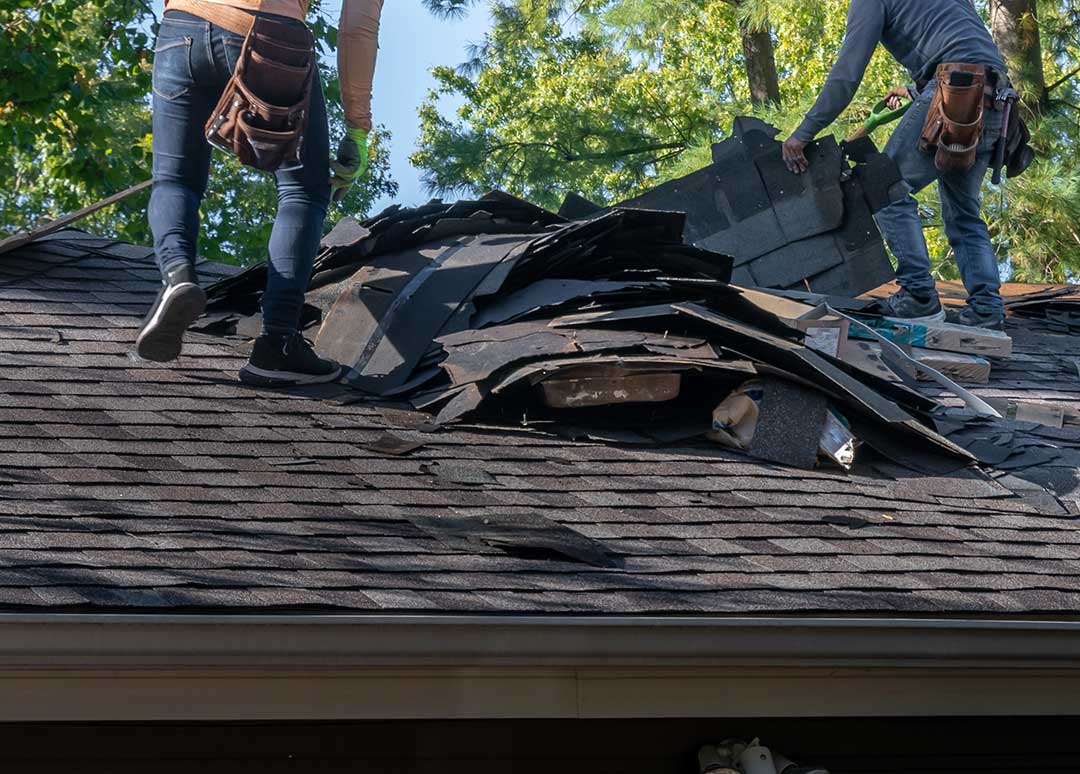
An inspection can provide an informed condition assessment, but it cannot predict an exact replacement date.
Roof life depends on material type, installation quality, ventilation, maintenance, sun exposure, moisture history, storm damage, and the number of previous repairs. Two roofs of the same age may be in very different condition.
A useful inspection report should distinguish among:
- Minor maintenance items
- Localized repairs
- Conditions that should be monitored
- Widespread deterioration
- Safety or structural concerns
- Problems that require timely action
Age alone does not prove that a roof must be replaced. Conversely, a relatively young roof may need repair if it has installation defects, storm damage, persistent moisture, or failed flashing.
What should be included in the inspection report?
A clear report normally describes the areas inspected, the observed conditions, and the significance of each finding. Photographs are helpful, especially for roof sections that cannot be viewed safely from the ground.
The report may also identify limitations. For example, heavy snow, unsafe access, locked attic areas, dense vegetation, or wet conditions may prevent a complete inspection. A responsible report should explain what was not accessible rather than implying that every component was fully evaluated.
Homeowners should look for specific descriptions rather than vague statements such as “roof is bad” or “roof looks fine.” Useful wording identifies the location, type, and apparent severity of the issue.
How can a homeowner prepare?
Before an inspection, it helps to gather information about the roof’s age, previous repairs, past leaks, insurance claims, and any recent storm or weather event. Interior access to the attic may be needed, so stored items should be moved away from the entry point when possible.
Residents can also make a short list of concerns, such as:
- A ceiling stain that appears after rain
- Water near a chimney or skylight
- A gutter that overflows during storms
- Ice buildup along one roof edge
- Drafts or damp smells in the attic
- Shingles found in the yard after high winds
An inspection does not always require immediate repair. Its main value is separating urgent conditions from ordinary wear and giving the homeowner a clearer understanding of how the roof is performing.
When is an inspection most useful?
A roof inspection is especially useful after major weather, before buying or selling a home, following a leak, or when the roof is approaching the later part of its expected service life. Spring inspections can reveal damage from snow and ice, while fall inspections may identify drainage or flashing issues before winter arrives.
In older homes, additions, porches, dormers, and areas where different roof slopes meet deserve careful attention. These transitions often have more complicated drainage and flashing than a simple roof plane.
A thorough inspection should leave the homeowner with practical answers: what was examined, what was found, how serious each condition appears to be, and what should be monitored or addressed next.
