

Roof leaks rarely begin as dramatic interior flooding. More often, water enters through a small weakness, travels along roof materials or framing, and appears indoors some distance from the original problem. Understanding the likely causes helps residents recognize warning signs before moisture leads to damaged insulation, ceilings, walls, or structural wood.
What are the most common causes of roof leaks?
The most common causes are damaged shingles, failed flashing, clogged drainage systems, roof penetrations, ice dams, and aging or poorly installed materials. In Ithaca, repeated snow, rain, wind, and freeze-thaw cycles can expose small defects and make them worse over time.
A roof may leak because of:
- Missing, cracked, curled, or lifted shingles
- Deteriorated flashing around chimneys, walls, skylights, and vents
- Blocked gutters or downspouts
- Ice dams along the eaves
- Worn pipe boots and other vent seals
- Damaged chimney masonry or chimney flashing
- Improperly sealed valleys
- Condensation or inadequate attic ventilation
- Punctures from branches, foot traffic, or maintenance work
- Age-related deterioration of the roof system
How do damaged shingles cause leaks?
Shingles protect the roof deck from direct exposure to rain and melting snow. A single missing or broken shingle can allow water beneath the surrounding courses, especially during wind-driven rain.
Common shingle problems include:
- Cracks caused by age or repeated temperature changes
- Curling corners that permit wind and water entry
- Granule loss that leaves the underlying material exposed
- Nails that have backed out or become exposed
- Shingles loosened by strong wind or falling branches
Roof damage is not always visible from the ground. A roof may appear generally intact while having a small area of lifted shingles near a ridge, valley, or roof edge. After a storm, look for shingle fragments in the yard, exposed dark patches, or new water marks indoors.
Why is flashing a frequent source of leaks?
Flashing is the material used to direct water away from seams and intersections. It is installed where the roof meets a chimney, wall, dormer, skylight, or other change in direction. Because these locations involve joints, movement, and concentrated runoff, they are common leak points.
Flashing can leak when it:
- Corrodes or develops holes
- Pulls away from masonry or siding
- Was bent incorrectly during installation
- Loses its sealant
- Is covered by incompatible repair materials
- Was never properly integrated with the surrounding shingles
A ceiling stain near a chimney does not necessarily mean the chimney itself is leaking. Water may be entering at the upper side of the flashing and traveling along framing before becoming visible inside.
Can gutters and downspouts cause a roof leak?
Yes. Gutters do not usually create a hole in the roof directly, but poor drainage can force water into areas that were designed to shed it rather than hold it.
Leaves, twigs, ice, and roof granules can block gutters and downspouts. Overflowing water may run behind the gutter, soak fascia boards, or collect near roof edges. If a gutter is pulling away from the roofline, water may also reach the roof deck or exterior wall.
Downspouts that discharge too close to the foundation can contribute to basement or wall moisture, which may be mistaken for a roof leak. Checking the location of the stain, the condition of the roof above it, and the path of runoff helps distinguish between these problems.
Why are ice dams a concern in Ithaca?
Ice dams form when heat escaping from the building warms the upper portion of a roof while snow remains frozen near the colder eaves. Meltwater flows downward, reaches the ice-covered edge, and backs up beneath shingles.
The resulting water can enter attics, ceilings, and exterior walls. Signs of an ice-dam-related leak may include:
- Water stains near exterior walls
- Damp insulation in the attic
- Icicles combined with uneven snow on the roof
- Peeling paint or damaged plaster near roof edges
- Leaks that occur during or shortly after a thaw
Ice dams are influenced by insulation, air sealing, ventilation, roof shape, snow depth, and outdoor temperatures. Removing snow or ice from a roof can be hazardous and can damage shingles, so climbing onto a snow-covered roof is not a safe do-it-yourself task.
Which roof penetrations are most likely to leak?
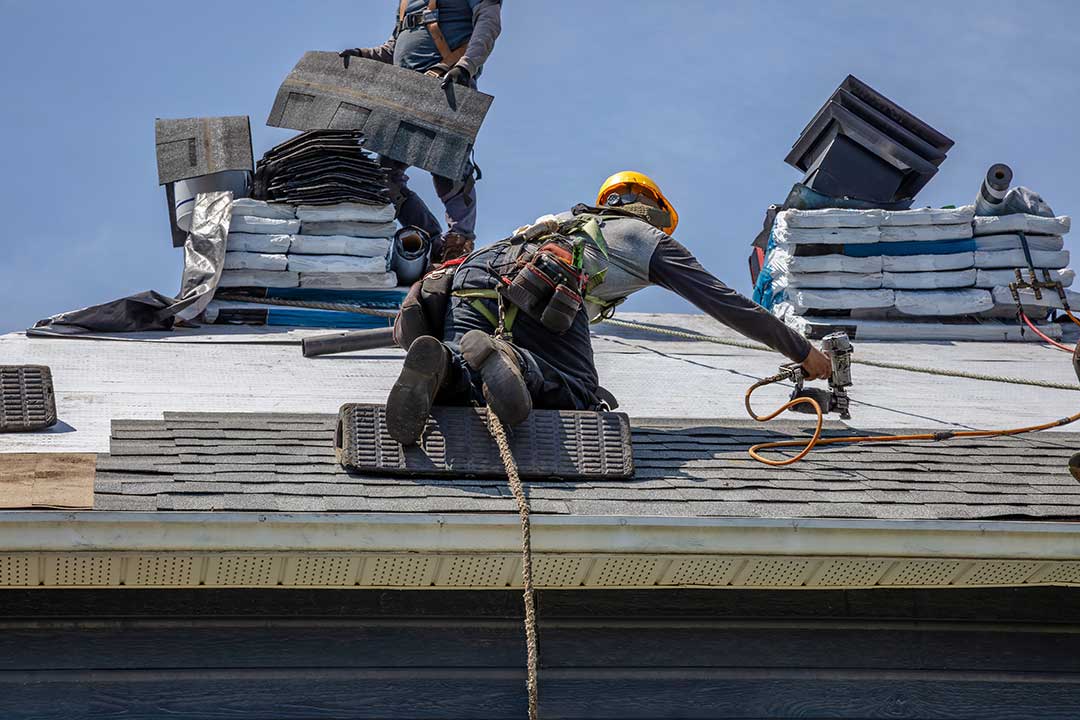
Every roof penetration creates an opening that must be carefully sealed. Plumbing vents, exhaust vents, skylights, satellite equipment, and other fixtures can become leak sources as their seals age or as surrounding materials shift.
Pipe boots are especially common trouble spots. The rubber portion may crack from exposure to sunlight and temperature changes, while the metal collar may loosen or corrode. A leak around a plumbing vent can appear in a bathroom ceiling, though the actual entry point may be several feet away.
Skylights may leak because of failed flashing, blocked drainage channels, cracked seals, or condensation. Water around a skylight should not automatically be blamed on the glass or frame; the surrounding roof connection also needs to be considered.
How do roof valleys contribute to water intrusion?
A roof valley is where two sloping sections meet. It concentrates water and melting snow, making it one of the hardest areas for a roof system to protect.
Leaks may develop when valley flashing is damaged, shingles are cut incorrectly, debris accumulates, or ice forms along the channel. Pine needles, leaves, and small branches can hold moisture against the roof surface. In wooded parts of the community, routine observation of valleys is particularly useful after storms and during fall cleanup.
Valley leaks often show up indoors away from the roof’s outer edge. Water can travel along the roof deck before entering an attic or ceiling.
Can condensation be mistaken for a roof leak?
Yes. Not every ceiling stain comes from rain or snow. Warm, moist indoor air can enter a cold attic through gaps around light fixtures, attic hatches, wiring, or plumbing openings. If that moisture condenses on cold surfaces, it can wet insulation and wood.
Condensation is more likely when:
- The attic has inadequate ventilation
- Bathroom fans discharge into the attic instead of outdoors
- Insulation is compressed or missing
- Indoor humidity is high during cold weather
- Air leaks are present around the ceiling plane
A useful clue is timing. A roof leak often follows rain, melting snow, or wind-driven precipitation. Condensation may appear during prolonged cold weather, even when the roof has been dry.
What should residents do after discovering a leak?
First, limit interior damage. Move furniture and belongings away from the affected area, place a container under active dripping, and photograph stains or damaged materials. If water is near a light fixture, wiring, or an electrical panel, avoid contact with the wet area and shut off power only if it can be done safely.
Do not assume the visible stain marks the entry point. Inspecting an attic from a safe location may reveal wet insulation, darkened wood, or water trails, but walking on ceilings or unstable attic surfaces creates a fall risk.
Temporary measures such as a properly placed tarp may reduce additional exposure during bad weather, but roof access is dangerous during rain, snow, ice, or high winds. Persistent leaks, structural damage, active electrical hazards, or conditions that cannot be safely reached require qualified assistance.
How can roof leaks be reduced?
Regular observation helps identify minor problems before they become interior damage. After major wind, heavy snowfall, or a rapid thaw, check for missing shingles, damaged flashing, overflowing gutters, and unusual attic moisture.
Other useful habits include:
- Keep gutters and downspouts clear
- Trim branches that rub against the roof
- Watch for loose or cracked vent seals
- Maintain adequate attic insulation and ventilation
- Avoid unnecessary roof foot traffic
- Examine ceilings and upper walls for new stains
- Record when stains appear in relation to rain, snow, and temperature changes
A roof leak is usually a symptom of a specific failure, not a mysterious event. Identifying whether the problem involves shingles, flashing, drainage, ice, ventilation, or a penetration makes the next step clearer and helps prevent repeated damage.
