
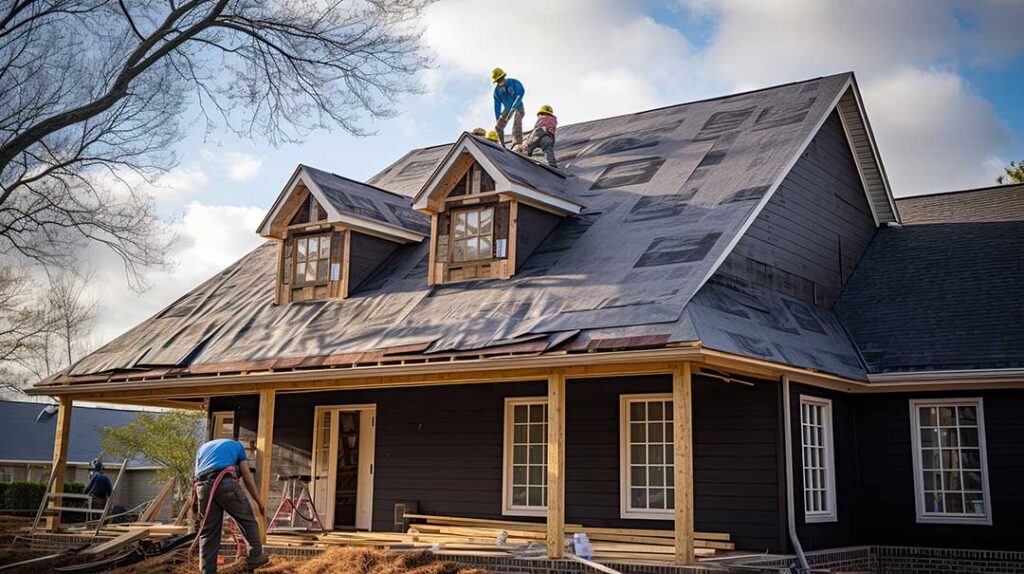
Why animals can become a roofing problem
Animals can damage a roof by opening entry points, disturbing protective materials, blocking drainage, and introducing moisture. In Ithaca, NY, these problems may become more noticeable because roofs must withstand repeated freeze-thaw cycles, heavy rain, snow, ice, and seasonal changes in tree cover.
Roof damage from animals is often gradual. A small opening may begin as a loose shingle, lifted flashing, or gap near a roof edge. Once an animal finds the weakness, repeated entry and exit can enlarge it. Water may then reach roof sheathing, insulation, framing, or interior ceilings.
The animal may leave before the damage becomes visible, but the roof problem can remain.
Which animals commonly affect roofs?
The most frequent roof-related wildlife problems involve squirrels, raccoons, bats, birds, and rodents. Domestic animals can also cause damage, especially when pets spend time on low-slope roofs, porch roofs, or attached structures.
Different animals create different risks:
- Squirrels may gnaw through wood, fascia, roof-edge materials, and some types of vent coverings.
- Raccoons can tear or lift shingles, loosen flashing, and enlarge openings with their claws and body weight.
- Bats may enter through very small gaps around vents, eaves, or roof transitions.
- Birds can build nests near vents, chimneys, gutters, and roof valleys.
- Rodents may use openings near soffits, dormers, or wall-roof intersections and can damage insulation and wiring inside the structure.
- Domestic cats and dogs may scratch or dislodge roofing materials if they regularly climb onto accessible roof sections.
Not every animal sound indicates roof damage. However, repeated activity in the same location deserves attention, particularly if it is accompanied by visible gaps, droppings, nesting material, or interior stains.
How do animals get onto a roof?
Animals usually reach roofs through trees, utility lines, nearby structures, snow buildup, or damaged roof components. Overhanging branches can provide a bridge to roof edges, while vines and dense vegetation may conceal openings.
Common access points include:
- Loose or missing shingles
- Gaps at soffits, fascia, and eaves
- Damaged ridge, box, or gable vents
- Openings around plumbing vent pipes
- Loose chimney flashing
- Unscreened attic vents
- Gaps at dormers and roof-to-wall connections
- Openings beneath metal edging
- Damaged gutters or downspouts that create climbing support
A roof does not need a large hole for wildlife to enter. Small animals can use narrow gaps, and repeated movement can make the opening larger. A gap that seems too small for a raccoon may still admit a squirrel, bat, bird, or rodent.
What types of roof damage can animals cause?
Animal activity can affect both the visible roofing surface and the hidden components beneath it. The most common damage involves punctures, displacement, contamination, and blocked drainage.
Shingles and roofing membranes
Claws, digging, nesting, and repeated foot traffic can lift or break shingles. On low-slope roofs, animals may puncture membrane surfaces or disturb seams. Once the weatherproof layer is compromised, rain and melting snow can travel underneath.
A single damaged shingle does not always indicate widespread trouble, but nearby materials should be checked for looseness and moisture intrusion.
Flashing and roof edges
Flashing protects areas where different surfaces meet, such as chimneys, walls, dormers, and vents. Animals may pull at loose flashing or use an existing gap as an entry point. Damaged flashing is especially concerning because water can enter behind it and remain hidden.
Roof edges are also vulnerable. Fascia, soffits, drip edges, and gutter attachment points may be weakened by chewing, nesting, or repeated climbing.
Attic insulation and ventilation
Nesting animals may compress, scatter, or contaminate insulation. This reduces its effectiveness and can create uneven temperatures in the attic. Blocked vents may also interfere with airflow, increasing the risk of condensation during cold weather.
In a cold climate, poor attic ventilation and moisture buildup can contribute to roof-sheathing deterioration, mold growth, and ice-dam formation. Animal activity is not the only possible cause, but it can make existing ventilation problems worse.
Gutters and drainage
Leaves, nesting material, fur, and other debris can block gutters and roof drains. Water that cannot drain properly may overflow against fascia, collect near roof edges, or back up beneath roofing materials.
In winter, trapped moisture can freeze and expand. Repeated freezing and thawing may loosen components that were already weakened.
What signs suggest animal-related roof damage?
Some evidence appears outside, while other signs show up inside the home. Exterior clues may include:
- Freshly torn or displaced shingles
- Scrape marks near roof edges or vents
- Nesting material in gutters or around vents
- Droppings near the attic, soffits, or roofline
- Hair or feathers caught in openings
- Gnaw marks on wood or vent screens
- A visible hole near an eave, dormer, or flashing joint
- Animals repeatedly entering and leaving one area
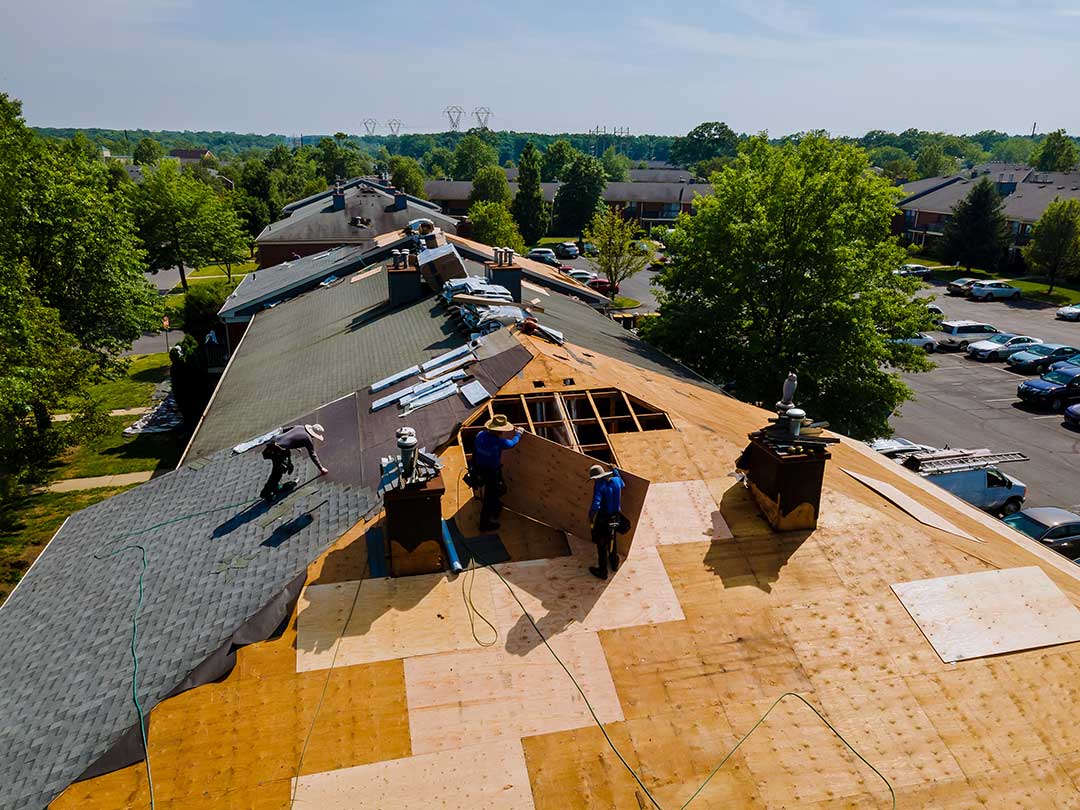
Interior clues can include scratching or movement sounds, musty odors, ceiling stains, damp attic insulation, daylight visible through roof openings, and unexplained increases in attic condensation.
A stain on a ceiling does not prove that animals caused the leak. Roof leaks can also result from ice dams, aging materials, failed flashing, condensation, or storm damage. The location of an interior stain may not match the exact entry point because water can travel along rafters and roof sheathing.
Should an opening be sealed immediately?
A suspected entry point should not be sealed blindly if an animal may still be inside. Closing an opening with an animal trapped in the attic can lead to odor, contamination, property damage, or attempts to escape through a different part of the structure.
There may also be seasonal concerns. Some species may be sheltering young, and certain wildlife is subject to legal protections or handling restrictions. The safest approach is to first determine whether the space is occupied, identify the entry and exit pattern, and address the animal issue before completing permanent roof repairs.
Openings should be repaired with materials suited to the location. Expanding foam alone is usually not a durable exterior repair because animals can chew through it and weather can degrade it. A lasting repair may require replacement wood, properly secured metal screening, new flashing, or compatible roofing materials.
What can homeowners do to reduce future problems?
Prevention begins with routine observation rather than waiting for a leak. Useful maintenance steps include:
- Keep tree limbs from creating direct access to roof edges.
- Inspect soffits, fascia, vents, and flashing after major storms.
- Keep gutters clear of leaves and nesting debris.
- Use secure screening where ventilation openings are designed to allow airflow.
- Replace damaged or missing shingles promptly.
- Check attic spaces for daylight, odors, droppings, and disturbed insulation.
- Avoid leaving pet food outdoors where it may attract wildlife.
- Secure garbage and compost containers.
- Watch for recurring animal activity around the same roof section.
Tree trimming should be performed carefully, especially near utility lines or steep roof edges. Walking on a roof can also damage shingles and create fall hazards, particularly when surfaces are wet, icy, mossy, or covered with loose granules.
When does animal damage require urgent attention?
Prompt attention is appropriate when water is entering the home, a large opening is visible, electrical wiring may have been disturbed, insulation is heavily contaminated, or an animal is trapped inside. Roof sections damaged during winter weather may also deteriorate quickly because water can freeze inside cracks and gaps.
A minor repair may be possible when the problem is limited to a single displaced shingle or loose screen. More extensive damage requires evaluation of the surrounding roof deck, insulation, flashing, ventilation, and interior framing—not just the visible hole.
The key distinction is between removing the animal and restoring the roof. Both steps matter. If the entry point is not repaired, another animal may use it later. If the roof opening is patched without addressing moisture or contamination, hidden damage can continue after the animal is gone.
