

Skylights can brighten a home and provide ventilation, but they also create an opening in the roof that must withstand rain, snow, ice, wind, and seasonal temperature changes. In Ithaca, NY, those demands are especially relevant because roofs regularly experience wet weather, winter precipitation, freeze-thaw cycles, and heavy snow loads.
A skylight is not automatically a roofing problem. Its effect depends on the quality of the installation, the condition of the surrounding roof, the type of skylight, and how well the assembly is maintained over time.
Do skylights make a roof more likely to leak?
Yes, a skylight introduces a potential leak point, but proper flashing and installation greatly reduce that risk. Most skylight leaks are associated with failed seals, damaged flashing, blocked drainage paths, or roofing materials that have deteriorated around the opening.
The skylight itself is only one part of the system. A reliable installation typically includes:
- A structurally supported opening in the roof
- A properly fitted skylight frame
- Underlayment around the opening
- Metal or manufactured flashing that directs water away
- Roofing materials integrated with the flashing
- Interior insulation and a finished light shaft
Water does not always enter directly through the glass or frame. It may get beneath nearby shingles, move along underlayment, and appear indoors several feet away from the original problem. This can make skylight leaks difficult to diagnose by looking only at the ceiling stain.
How does winter weather affect skylights?
Winter weather can place extra stress on both the skylight and the surrounding roof. Snow accumulation may add weight, while melting and refreezing can create ice along the lower side of the skylight.
Ice dams are especially concerning when warm air from the living space escapes into the attic and warms the underside of the roof. Snow then melts on the warmer portion of the roof, flows toward a colder eave, and refreezes. If a skylight interrupts the normal roof surface, water may collect around its upper or lower edge.
A skylight does not create an ice dam by itself. Poor attic insulation, inadequate air sealing, limited ventilation, roof geometry, and weather conditions all contribute. Still, the curb or frame can become an area where backed-up water tests the roof assembly.
Homeowners should watch for:
- Icicles or thick ice ridges near the skylight
- Damp ceiling materials after snow or thawing weather
- Bubbling paint or stained drywall around the light shaft
- Frost or moisture on the interior frame
- Cold drafts near the skylight
Snow should not be chipped aggressively from the glass or flashing. Impact can damage the glazing, seals, or surrounding roofing materials.
Can skylights weaken the roof structure?
A properly designed skylight opening should not weaken a roof in a meaningful way. Roof framing around the opening is typically reinforced so that loads are transferred safely around the skylight.
Problems can arise when an opening is cut without adequate framing, when a large skylight is added to an older roof without reviewing its structure, or when water damage has weakened nearby wood. The roof must continue to support its own weight, snow, maintenance traffic, and normal wind forces.
Larger skylights deserve particular attention because they remove more roof decking and may require more extensive framing changes. The position also matters. An opening placed too close to a ridge, valley, hip, eave, or another roof penetration can complicate drainage and framing.
Visible sagging, cracked framing, soft roof decking, or recurring leaks near a skylight are warning signs that go beyond a cosmetic repair.
Do skylights increase heat loss or overheating?
Skylights can affect indoor temperatures in both directions. In winter, a skylight may lose more heat than an insulated section of roof. In summer, sunlight entering through the glazing can increase room temperatures, particularly when the skylight faces a direction with strong afternoon exposure.
Energy performance depends on several factors:
- The number of glazing layers
- The type of glass or plastic
- Low-emissivity coatings
- The quality of the frame
- Insulation around the light shaft
- Air sealing between the skylight and the roof
- Interior shades or exterior screening
Older skylights may have worn seals, yellowed plastic, condensation between glazing layers, or frames that no longer close tightly. These conditions can increase drafts and moisture problems.
A skylight that feels cold around its edges may have an insulation or air-sealing issue rather than a glass problem. Condensation on the room-side surface can also result from high indoor humidity, especially during winter. Bathrooms, kitchens, and bedrooms with limited ventilation are common locations for this problem.
What happens if a skylight is installed on an older roof?
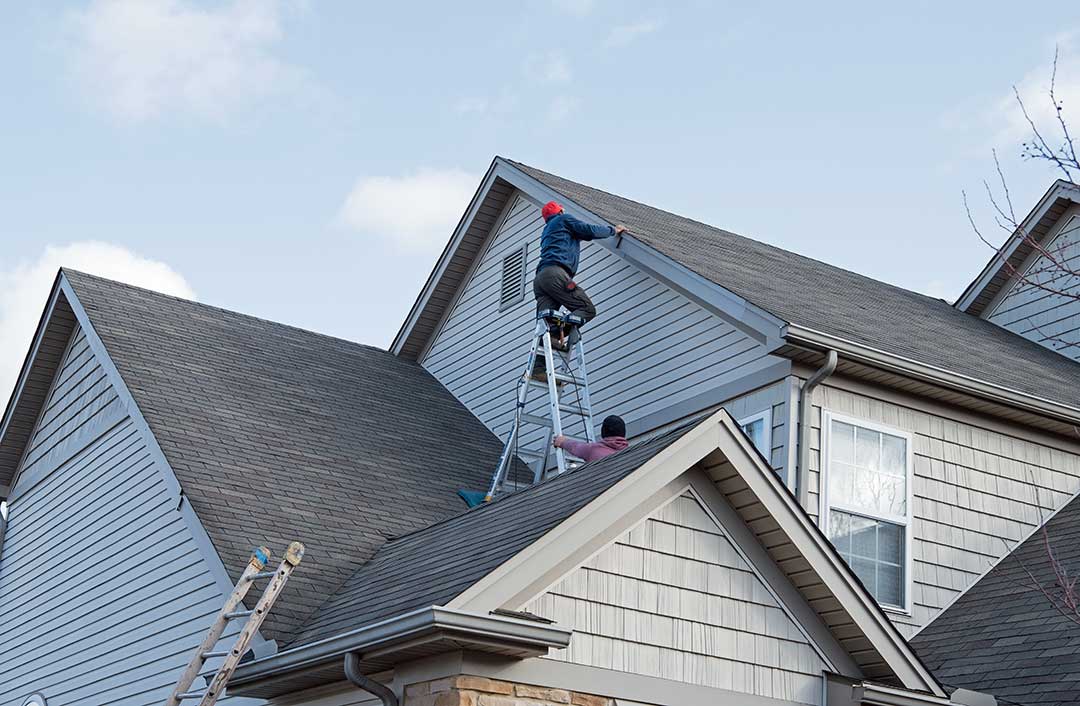
Installing a new skylight on an older roof can create an uneven service life. If the surrounding shingles are already near the end of their useful condition, the roof may need attention again before the skylight itself reaches the end of its service life.
This does not mean every skylight requires a complete roof replacement. The practical question is whether the existing roofing can be carefully integrated with the new flashing without leaving brittle, damaged, or poorly bonded materials around the opening.
Older roofs may also have:
- Deteriorated underlayment
- Previous patching around the skylight
- Rusted or poorly fitted flashing
- Water-stained roof decking
- Inadequate attic insulation
- Framing that does not match current conditions
A skylight replacement is often more predictable when the surrounding roof materials are still flexible, intact, and properly attached.
How can homeowners inspect a skylight safely?
A basic inspection can identify visible warning signs without walking on the roof. From inside the home, look at the ceiling, drywall, trim, and light shaft for discoloration, peeling paint, swollen wood, or soft areas.
From outside, observations from the ground may reveal cracked glazing, missing roof materials, exposed flashing, or debris collecting uphill from the skylight. Binoculars can help with a steep or high roof.
Inside the attic, if the area is safely accessible, check for:
- Damp insulation
- Darkened roof sheathing
- Mold-like staining
- Rusted fasteners
- Wet framing
- Daylight visible around the skylight frame
A dry ceiling does not guarantee that the roof is trouble-free. Some leaks occur only during wind-driven rain, melting snow, or specific temperature conditions.
Should a leaking skylight be repaired or replaced?
The answer depends on the source and age of the problem. A repair may be appropriate when the skylight is sound and the issue is limited to damaged flashing, a failed seal, or nearby roofing materials.
Replacement becomes more reasonable when the skylight has repeated leaks, cracked or cloudy glazing, persistent condensation between panes, warped frames, or obsolete components that are difficult to maintain. If the roof around it is also deteriorated, replacing both systems during related work may reduce the chance of disturbing the same area repeatedly.
Temporary interior patching can hide a stain but does not stop water entry. Drywall, insulation, and framing should be checked after a leak because trapped moisture can continue causing damage after the visible drip stops.
For homes in Ithaca, regular attention before winter and after major thaw cycles is particularly useful. Keeping gutters and roof drainage paths clear, maintaining attic insulation and ventilation, and addressing small signs of moisture early can help a skylight remain an asset rather than becoming a recurring source of roof damage.
