
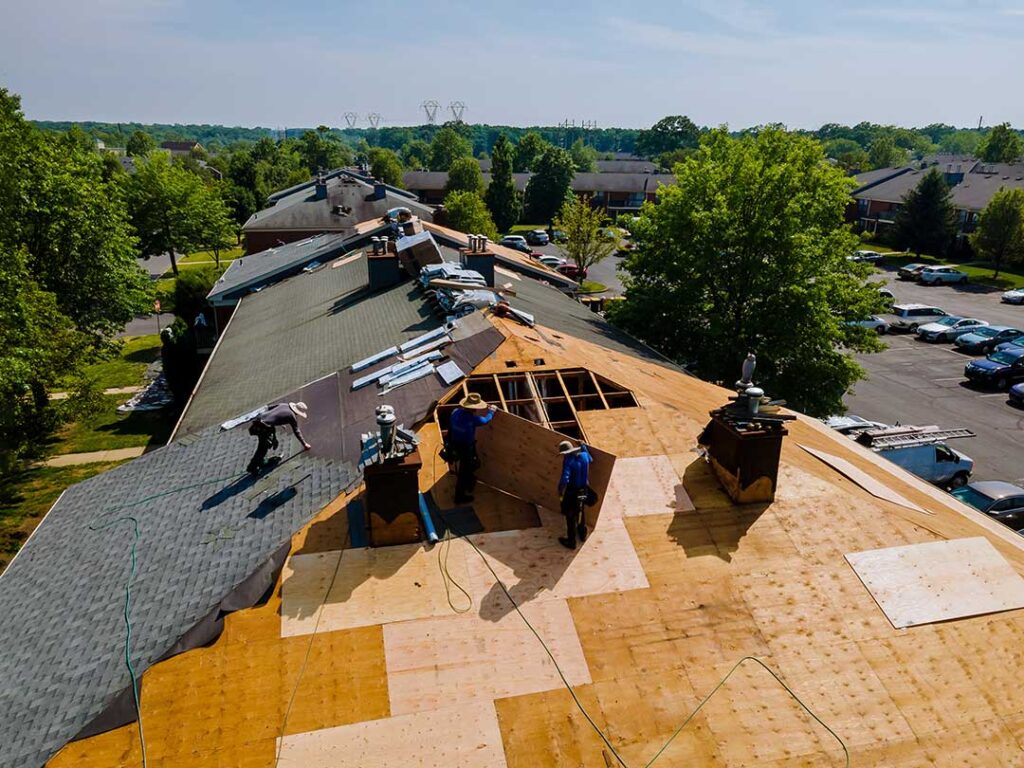
Why small roof problems rarely stay small
A roof problem that seems minor from inside the house can become a much larger repair if water, ice, or wind continues to reach the roofing system. In Ithaca, NY, repeated freezing and thawing, winter snow, spring rain, and summer storms can all accelerate damage that may initially appear limited to one shingle or a small ceiling stain.
Roofing materials work as a system. Shingles or other roof coverings shed water, flashing seals vulnerable joints, underlayment provides another layer of protection, and the roof deck supports everything above it. When one part fails, the surrounding materials may begin absorbing moisture or moving out of position.
A delayed response does not always lead to a full roof replacement. However, it often increases the number of components affected and makes the final repair more disruptive.
What happens if a roof leak is ignored?
An active leak can damage more than the ceiling directly below it. Water may travel along rafters, roof decking, insulation, wiring, wall cavities, and trim before becoming visible indoors.
Common results include:
- Discolored or sagging ceilings
- Damp attic insulation
- Swollen or weakened roof decking
- Peeling paint and damaged drywall
- Warped trim and flooring
- Mold or musty odors
- Corrosion around metal fasteners, vents, or electrical components
A ceiling stain is not always located directly beneath the roof defect. The actual entry point may be several feet away, especially around valleys, chimneys, skylights, plumbing vents, and roof-to-wall intersections.
Water damage can also remain hidden for weeks. A roof may leak only during wind-driven rain or when snow melts, allowing moisture to dry partially before the next event. That intermittent pattern can make the problem easy to dismiss while damage continues inside the assembly.
How much more expensive can delayed repairs become?
There is no single price for ignoring roof damage because the cost depends on the roof’s age, slope, materials, accessibility, and the extent of hidden deterioration. The general pattern is predictable: a localized exterior repair is usually less involved than replacing damaged decking, insulation, drywall, paint, flooring, or structural framing.
For example, a small flashing failure may initially require limited repair. If left untreated, water can soften the roof deck around the flashing, stain interior finishes, and saturate insulation. The eventual work may involve opening the roof, replacing wood, drying the area, treating moisture-related growth, and repairing interior surfaces.
The most overlooked costs are often indirect:
- Temporary protection after a storm
- Emergency interior cleanup
- Moving or storing household belongings
- Replacing wet insulation
- Repairing damaged electrical components
- Addressing structural deterioration
- Correcting ventilation or drainage problems that caused recurring damage
Insurance coverage can also be misunderstood. Policies commonly distinguish between sudden storm damage and deterioration caused by age, poor maintenance, or long-term seepage. Coverage decisions depend on the policy and the documented cause of loss, so ignoring visible damage may create both repair and coverage complications.
Can one missing shingle cause serious damage?
Yes, although the risk varies. A single missing shingle does not guarantee major failure, but it exposes underlayment, fasteners, or roof decking to weather. Wind can loosen adjacent shingles, while repeated wetting and drying can weaken the exposed area.
A missing shingle near a roof edge, valley, ridge, or flashing detail may be more significant than one in the middle of a broad roof plane. The location matters because these areas handle more water, wind, or movement.
Temporary patches may reduce immediate exposure, but they are not always permanent repairs. Materials can crack, loosen, or fail when applied to wet or dirty surfaces. Any repair should account for the condition of the surrounding shingles and the layer beneath them.
Why are ice dams and snow especially relevant locally?
Ice dams form when heat escapes into a roof area, melts snow above a colder roof edge, and allows water to refreeze near the eaves. The resulting ice can hold water against the roof covering and push it beneath shingles or flashing.
Homes with uneven insulation, inadequate air sealing, limited attic ventilation, complex roof shapes, or long eaves may be more vulnerable. A roof does not need an unusually heavy snowpack to develop an ice dam; repeated thaw-and-freeze cycles can create the problem.
Snow and ice can also conceal missing shingles, damaged flashing, clogged drainage paths, and sagging areas. Removing snow from a roof can be hazardous because of slippery surfaces, falling ice, overhead hazards, and the possibility of damaging the roof covering. People should not climb onto a roof simply to investigate a suspected problem.
What roof warning signs should not be ignored?
Some signs are visible from the ground or inside the home and deserve prompt attention:
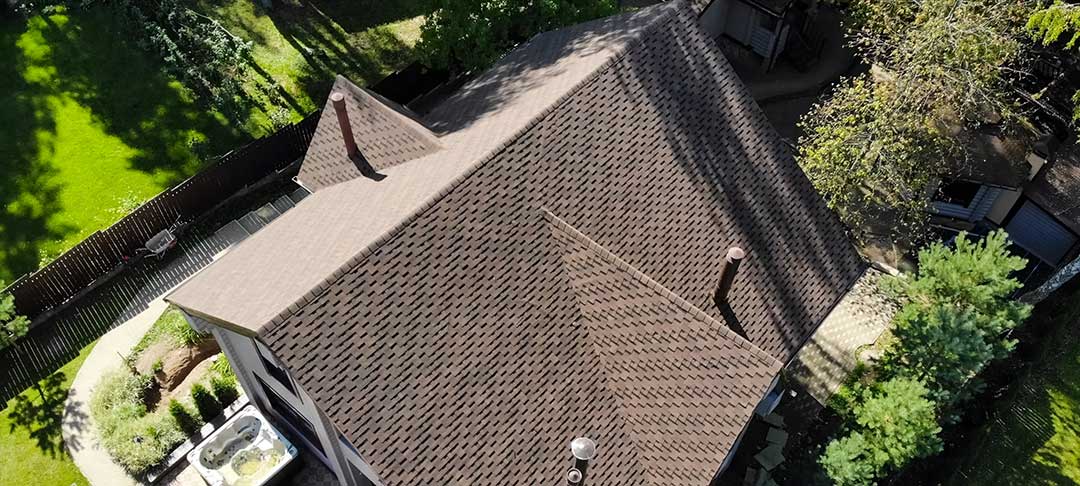
- New ceiling stains, bubbling paint, or damp drywall
- Shingles that are missing, lifted, cracked, curled, or heavily covered in loose granules
- Rusted, separated, or bent flashing
- Sagging roof lines or soft spots in the attic
- Daylight visible through the roof deck
- Wet insulation or musty attic odors
- Water collecting near interior walls after rain
- Granules accumulating in gutters or downspouts
- Ice buildup along eaves or repeated winter leaks
Not every roof issue requires immediate emergency action. A small cosmetic concern may be monitored, while active water entry, structural sagging, or damage near electrical systems requires faster attention.
Is an old roof automatically unsafe?
No. Age is a useful planning factor, but it does not determine the condition of every roof. Some older roofs remain serviceable because they have been well maintained and properly ventilated. Some newer roofs develop problems because of storm damage, installation defects, poor drainage, or building movement.
The more useful questions are whether the roof is shedding water, whether the deck and framing remain sound, and whether vulnerable details are intact. A roof inspection from the attic and exterior can reveal issues that are not apparent from the ground.
Homeowners should be cautious about walking on steep, wet, icy, or visibly damaged roofs. If there is structural sagging, a large opening, a major leak, or suspected electrical involvement, roof access should be left to someone equipped to evaluate the hazard safely.
How can homeowners limit the cost of roof damage?
The most effective approach is early observation and timely documentation. After strong wind, heavy rain, or a major freeze-thaw period, check ceilings, attic spaces, gutters, downspouts, and visible roof edges. Look for changes rather than trying to diagnose every defect.
Keep records of:
- The date a leak or visible change was first noticed
- Weather conditions during the event
- Photos from safe ground-level or interior locations
- Areas where water appeared
- Any temporary measures taken to protect belongings
Keep gutters and downspouts clear enough to move water away from the roof and foundation. Trim branches that can scrape or strike roofing materials, but avoid using ladders or roof access during unsafe conditions.
A small roof defect is not always an emergency, but it is information. Addressing it before the next storm, freeze, or snowmelt can prevent a limited roofing issue from becoming an interior restoration project.
