
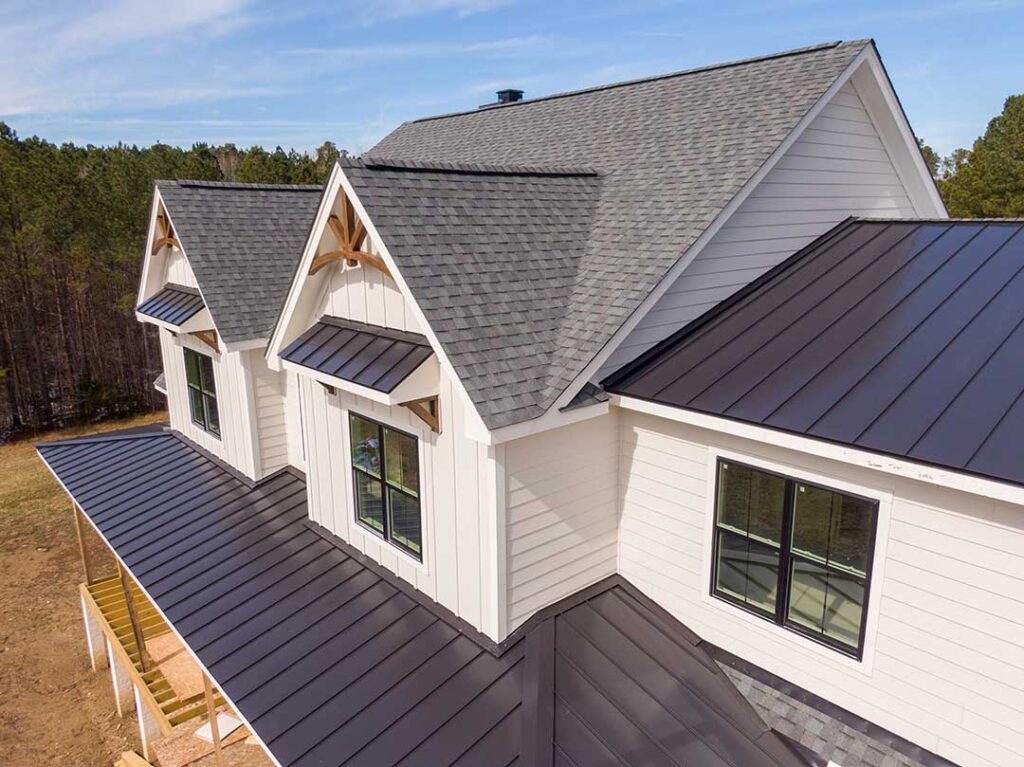
Fall is the best time to check a roof before freezing temperatures, wet snow, and repeated freeze-thaw cycles arrive. For households in Ithaca, NY, routine maintenance should focus on drainage, damaged roofing materials, attic conditions, and safe preparation for winter weather.
Why should a roof be inspected in fall?
A fall inspection helps identify small problems before winter makes them harder to see or more expensive to repair. Loose flashing, worn shingles, blocked gutters, and small roof penetrations can allow rainwater to enter before snow ever arrives.
The season also provides a useful transition point. Leaves are falling, temperatures are becoming less predictable, and the roof may soon need to handle snow, ice, and strong winds. Finding defects in October or November is generally easier than trying to diagnose a leak during a winter storm.
Look for:
- Missing, cracked, curled, or lifted shingles
- Dark areas or exposed fasteners
- Damaged metal flashing around chimneys, skylights, vents, and wall intersections
- Sagging roof sections
- Loose gutters or downspouts
- Water stains in the attic or on upper-floor ceilings
A ground-level inspection with binoculars can reveal many problems without requiring anyone to climb onto the roof.
How should gutters and downspouts be prepared?
Gutters should be cleared during fall and checked again after most leaves have dropped. A gutter filled with leaves and roof debris cannot move rainwater efficiently, and trapped water may freeze when temperatures fall.
Clean and inspect the entire drainage path, including:
- Gutter channels
- Gutter seams and end caps
- Downspout openings
- Elbows and underground outlets
- Splash blocks or extensions at the bottom
After cleaning, run a small amount of water through the system if conditions allow. Water should flow continuously toward the downspouts without pooling or spilling over the front edge.
Downspouts should discharge water away from the foundation. If they release water directly beside the house, autumn rain and melting snow can contribute to damp basements, foundation moisture, and icy walking surfaces.
Leaves from mature trees can continue collecting after the first cleaning, so timing matters. A second check may be useful after the majority of foliage has fallen, particularly on homes near wooded areas or streets lined with large trees.
What roof damage deserves attention before winter?
Not every roof imperfection requires immediate action, but defects that can admit water should not be ignored before winter. Missing shingles, open seams, damaged flashing, and exposed roof underlayment are especially vulnerable to wind-driven rain and snow.
Pay close attention to areas where different materials meet. Chimneys, dormers, sidewalls, skylights, plumbing vents, and roof valleys often develop leaks because they contain more joints and flashing than the open field of the roof.
Interior evidence can be just as useful as an exterior view. In the attic, check for:
- Damp insulation
- Water marks on rafters or roof decking
- Mold-like spotting
- Daylight visible through the roof
- Rust around nails or metal components
- Musty odors that appear after rain
A leak may not appear directly below the damaged area. Water can travel along roof decking, rafters, or insulation before entering the living space.
Should leaves be removed from the roof?
Leaves and small branches should be removed when they collect heavily, especially in valleys, behind chimneys, and near roof penetrations. Wet organic debris holds moisture against roofing materials and may encourage moss or surface deterioration.
Removal should be done from the ground whenever possible. Walking on a sloped roof is hazardous, and wet leaves make the surface even more slippery. Avoid using pressure washers or harsh scraping tools, which can damage shingles and remove protective surface granules.
Branches that touch or rub against the roof should also be evaluated. Wind movement can wear away roofing surfaces, while broken limbs may cause sudden damage during autumn storms or wet snow.
How do attic insulation and ventilation affect winter roof problems?
A properly insulated and ventilated attic helps keep roof temperatures more consistent. Warm air leaking into a cold attic can heat portions of the roof, melt snow unevenly, and contribute to ice formation along the eaves when melted water refreezes.
Fall is a practical time to check whether:
- Attic insulation is evenly distributed
- Bathroom and kitchen exhaust ducts terminate outdoors rather than in the attic
- Soffit vents are not blocked by insulation
- Ridge, gable, or other upper ventilation openings are unobstructed
- Air leaks around attic hatches, wiring, plumbing, and light fixtures are sealed appropriately
Ventilation is not a substitute for proper insulation, and adding vents alone does not correct every ice-dam problem. The attic needs a balanced system that limits heat loss while allowing appropriate airflow.
What should residents know about ice dams?
Ice dams form when snow melts on warmer sections of a roof and refreezes near colder eaves. The resulting ridge of ice can obstruct drainage and allow water to move beneath roofing materials.
Clean gutters help melted water drain, but they do not prevent every ice dam. Roof design, insulation, air leakage, ventilation, snow depth, and weather patterns all affect the risk.
Do not chop ice with a hammer, shovel, or other sharp tool. This can damage shingles, flashing, gutters, and the roof deck. During winter, a roof rake designed for ground-level use may reduce heavy snow accumulation on accessible roof sections, but overhead ice and snow can fall unexpectedly.
If water begins appearing around ceilings, walls, or windows during a freeze-thaw period, document the location and timing. Active leaks, heavy snow loads, or large ice formations may create conditions that are unsafe to address without specialized equipment.
Is it safe to inspect or clean a roof personally?
Ground-level checks and careful gutter maintenance may be reasonable for some households, but roof access becomes dangerous when surfaces are wet, icy, steep, or close to electrical lines. Ladders should be placed on stable ground, secured properly, and kept away from overhead hazards.
Avoid climbing during rain, frost, wind, or after the roof has accumulated leaves. Do not walk on brittle roofing materials or attempt to remove ice while standing on a ladder.
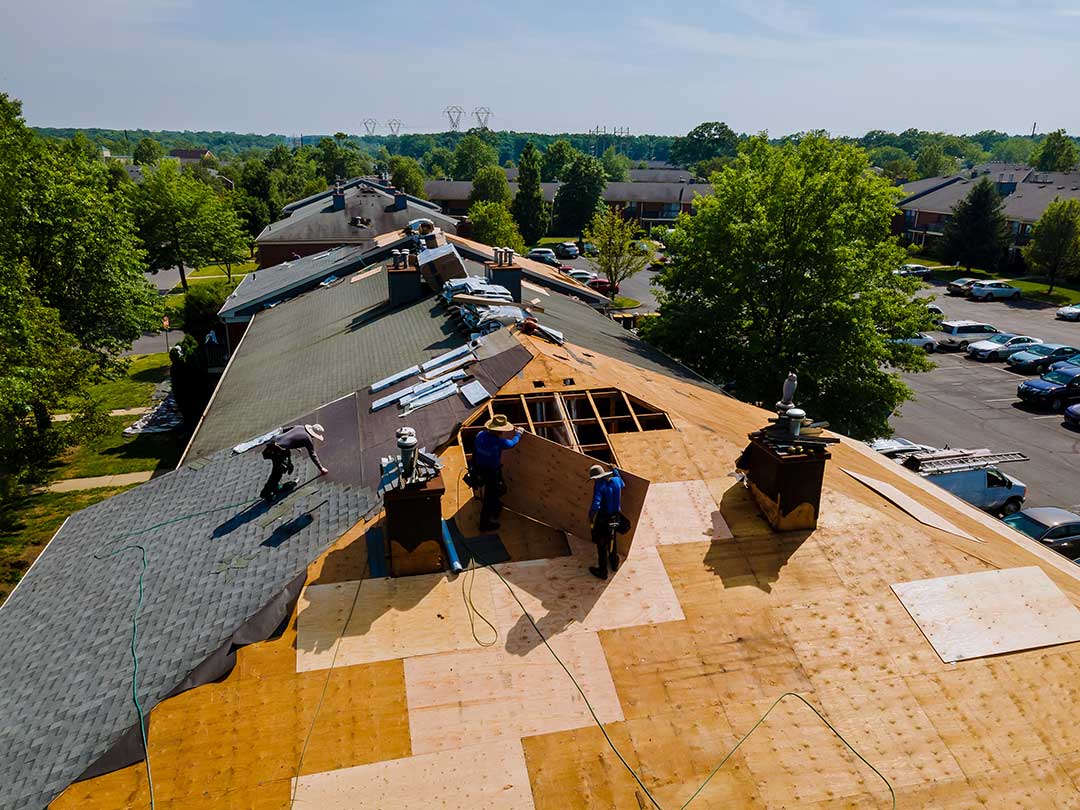
Safety concerns are a legitimate reason to use trained assistance, particularly when the roof is steep, multiple stories high, structurally damaged, or carrying substantial snow and ice. Roof work should not be attempted if a person cannot maintain secure footing and a clear path away from falling materials.
Which fall roof tasks are easy to overlook?
Several smaller tasks can prevent winter trouble:
- Check that attic access panels close tightly.
- Trim branches that could fall onto the roof.
- Inspect roof vents for damaged covers or loose seals.
- Make sure gutters are firmly attached and pitched toward downspouts.
- Look for peeling paint or moisture damage beneath eaves.
- Photograph existing roof conditions for comparison after major storms.
- Confirm that exterior drains and downspout outlets are not blocked by leaves or soil.
Homes with older roofing, additions, enclosed porches, or complicated rooflines deserve extra attention because transitions between sections can create hidden drainage and flashing problems.
Fall maintenance is most effective when it combines a roof-surface check, a drainage inspection, and an attic review. Completing those steps before persistent freezing weather gives residents a clearer picture of what the roof can handle and where winter risks may develop.
