
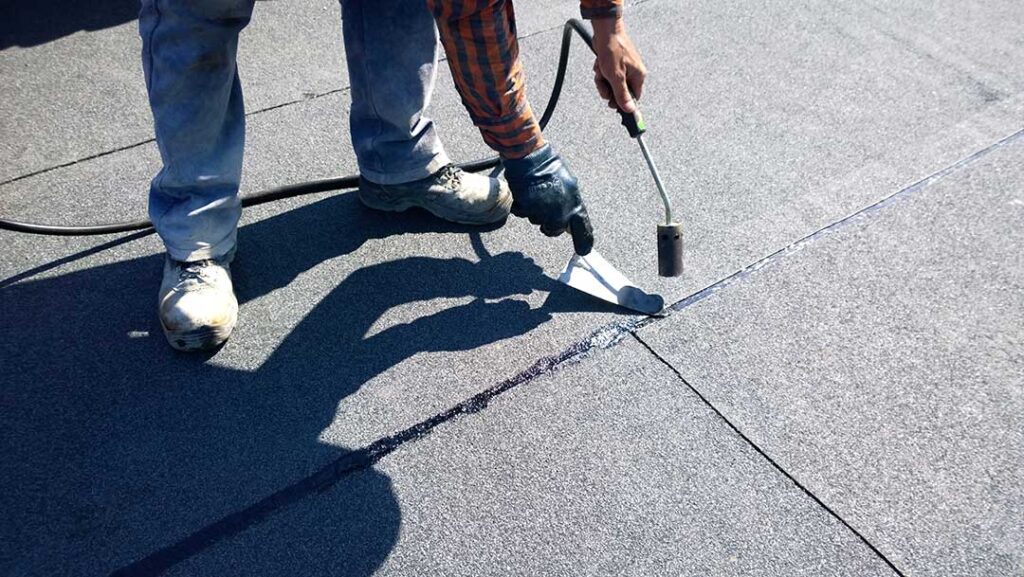
Which roofing material is better for homes in Ithaca, NY?
Neither asphalt shingles nor metal roofing is automatically the better choice for every home. Asphalt shingles usually offer a lower initial cost and familiar appearance, while metal roofing can provide longer service life, strong resistance to snow and wind, and reduced maintenance over time.
The right decision depends on more than material price. Roof slope, attic ventilation, structural condition, ice formation, surrounding trees, appearance, future plans for the home, and installation quality all affect performance.
Local weather is a significant factor. The area experiences freezing winters, regular snow, spring rain, summer heat, and repeated temperature changes. A roof must manage moisture and snow while allowing the underlying roof deck and attic assembly to dry properly.
How do asphalt shingles and metal roofing differ?
Asphalt shingles are layered roofing products made from a fiberglass base coated with asphalt and mineral granules. They are installed in overlapping courses and are available in a wide range of colors and profiles.
Metal roofing is a broad category that includes exposed-fastener panels, concealed-fastener standing-seam systems, and metal shingles designed to resemble other roofing materials. The metal may be steel, aluminum, or another corrosion-resistant material, depending on the system.
The two materials differ in several practical ways:
- Initial cost: Asphalt shingles generally cost less to purchase and install.
- Expected service life: Standard asphalt shingles commonly last roughly 15 to 30 years, depending on product quality, exposure, ventilation, and maintenance. Many metal systems can last 40 years or longer when properly installed and maintained.
- Weight: Metal roofing is often lighter than multiple layers of shingles, although the entire roof assembly still needs to be evaluated.
- Repair approach: Damaged asphalt shingles can often be replaced individually. Metal repairs may require matching panels, fasteners, coatings, or trim.
- Appearance: Asphalt offers familiar residential styling. Metal provides both traditional and distinctly modern profiles.
- Noise: Metal roofing can sound louder during heavy rain if the assembly lacks adequate decking, underlayment, insulation, or attic finishing.
Which performs better under snow and ice?
Metal roofing sheds snow more readily, especially on steeper slopes. That can reduce the amount of snow remaining on the roof, but it also creates a safety issue: sliding snow can damage gutters, landscaping, vehicles, or people below. Snow guards may be appropriate above entrances, walkways, and frequently used areas.
Asphalt shingles hold snow in place more effectively because of their textured surface. That does not make them immune to winter problems. Ice dams can form when heat escapes into the attic, warms the roof surface, and causes melting snow to refreeze near colder eaves.
Neither material solves an ice-dam problem by itself. Proper attic insulation, air sealing, ventilation, underlayment, and roof-edge detailing are more important than choosing a particular surface material. If a roof has a history of ice buildup, that history should be considered before selecting a replacement system.
Is metal roofing stronger in severe weather?
Metal roofing can offer strong resistance to wind, hail, and falling branches, but performance depends heavily on the specific system and its attachment. Thin panels with exposed fasteners are not equivalent to heavier concealed-fastener panels or metal shingles.
Asphalt shingles also vary widely. Architectural shingles generally provide more dimensional structure and wind resistance than basic three-tab products. Correct nailing is essential, particularly along roof edges, ridges, hips, and valleys.
No roofing material is completely immune to storm damage. Large trees, falling limbs, poorly secured flashing, clogged drainage, and aging underlayment can create problems for either system.
Which option is easier to maintain?
Asphalt shingles are straightforward to inspect and repair. Common concerns include missing or lifted shingles, cracked seal strips, exposed fasteners, granule loss, damaged flashing, and moss or algae growth in shaded areas.
Metal roofing usually resists rot, insects, and many forms of surface deterioration. However, it still requires inspection. Potential issues include loose fasteners, failed washers, corrosion at cut edges, damaged coatings, open seams, and sealant deterioration around penetrations.
For both materials, maintenance should include:
- Keeping gutters and downspouts clear
- Checking valleys and roof-to-wall transitions
- Inspecting flashing around chimneys, vents, and skylights
- Trimming branches that rub against the roof
- Watching for attic moisture, staining, or frost
- Avoiding pressure washing or harsh cleaning methods
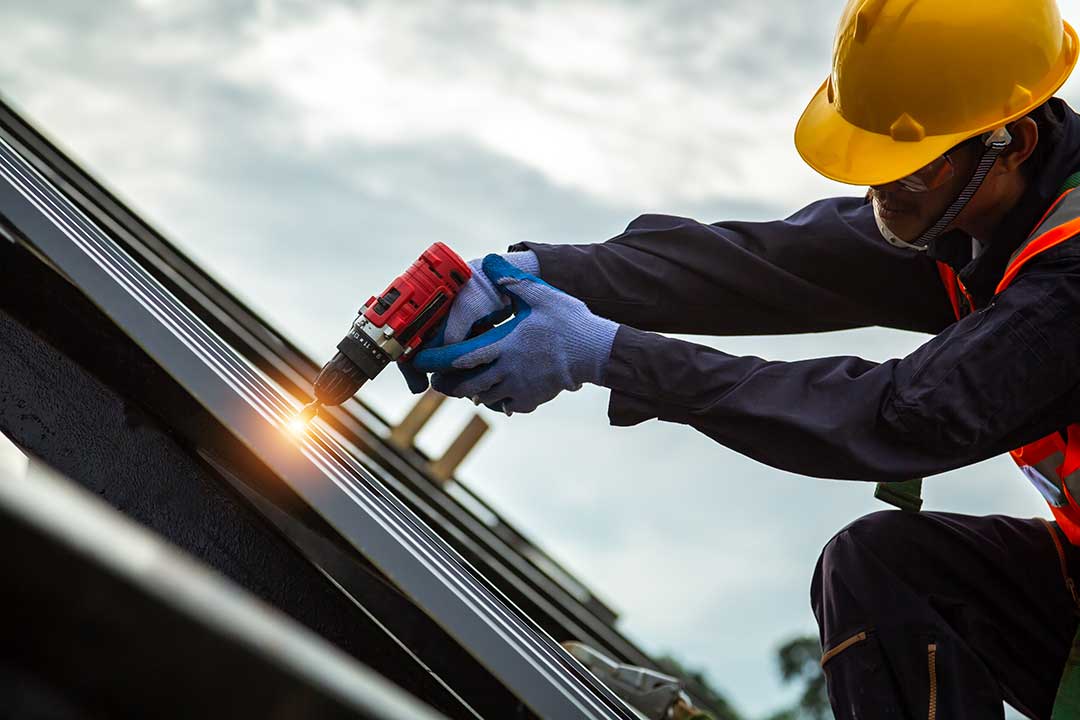
Walking on metal roofing can damage panels or coatings if done incorrectly. Asphalt shingles can also be broken or loosened by unnecessary foot traffic.
Does metal roofing make a home colder in winter?
Metal roofing does not inherently make a home colder. Indoor comfort depends mainly on insulation, air sealing, ventilation, windows, heating systems, and the overall roof assembly.
Likewise, asphalt shingles do not automatically make a home warmer. Dark surfaces absorb solar heat, but that effect is influenced by color, roof ventilation, insulation, and attic design.
A properly designed roof assembly should manage heat and moisture regardless of the exterior covering. In cold weather, the goal is to keep indoor heat from escaping into the attic while allowing the roof deck to remain dry.
Which roof lasts longer?
Metal roofing generally has the longer potential service life, but the comparison is not simply “metal lasts longer, asphalt wears out sooner.” Product grade, installation details, roof geometry, drainage, ventilation, and maintenance are decisive.
An asphalt roof on a simple, well-ventilated roof may perform reliably for decades. A poorly detailed metal roof can develop leaks around seams, fasteners, valleys, or penetrations well before the panels themselves reach the end of their expected life.
A long-lasting roof also requires a sound roof deck. Installing new material over deteriorated sheathing, concealed moisture damage, or inadequate flashing can shorten the life of either system.
How do building codes affect the choice?
New York’s residential building requirements address roof coverings, underlayment, flashing, fasteners, ventilation, and structural considerations. The roof must also be appropriate for the building’s design loads, including snow and wind.
A material change may reveal issues that were not obvious from the ground, such as insufficient roof slope, weakened sheathing, inadequate attic ventilation, or framing that needs evaluation. Roof penetrations and transitions often require more attention than the broad field of the roof.
Older homes may also have multiple existing shingle layers, uneven decking, or additions with different roof slopes. These conditions can affect whether a new roof can be installed over the existing surface or whether removal and repairs are necessary.
Which material is the better value?
Asphalt shingles are often the practical choice for homeowners focused on lower upfront cost, conventional appearance, and simpler spot repairs. They may also be suitable when the roof design is complex and includes many valleys, dormers, or small intersecting sections.
Metal roofing may make sense for homeowners prioritizing long service life, lower replacement frequency, snow shedding, or resistance to surface wear. Its higher initial cost can be easier to justify when the roof is expected to remain in service for several decades.
The most useful comparison is not only the installation price. Consider the expected service life, future repair needs, energy performance, snow behavior, appearance, and the cost of eventually removing and replacing the system.
For many area households, the deciding factor is not the label on the material but whether the roof is designed for local winter conditions and installed with careful attention to drainage, flashing, ventilation, and snow management.
