
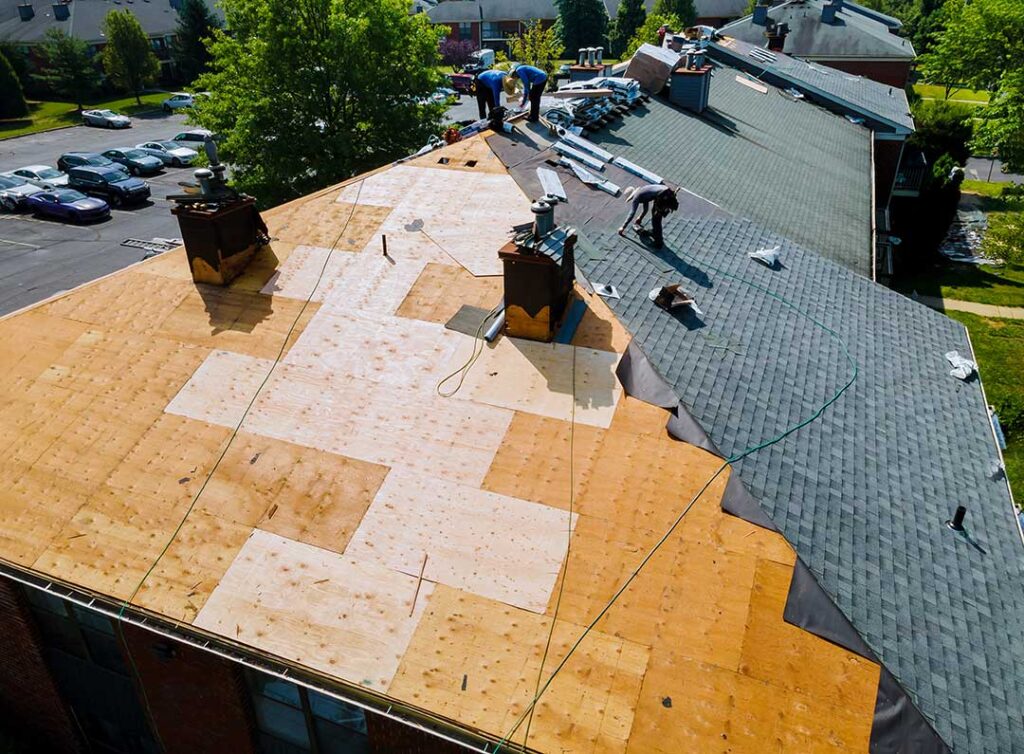
Homeowners often assume that any roof leak or damaged shingle will be paid for by insurance. In practice, coverage usually depends on what caused the damage, the roof’s condition, the policy language, and the type of settlement provided.
For residents in Ithaca, NY, seasonal weather can put repeated stress on roofing systems. Heavy snow, ice buildup, freeze-thaw cycles, strong wind, falling branches, and water intrusion can all create problems. Insurance may help with sudden, accidental damage, but it generally does not replace routine maintenance.
Does homeowners insurance cover roof damage?
Homeowners insurance commonly covers roof damage caused by a covered, unexpected event. Examples may include wind, hail, fire, falling objects, or the weight of snow, depending on the policy.
A policy may help pay for repairs when a storm tears shingles from the roof or when a fallen tree punctures the roof deck. It may also cover related interior damage, such as damaged ceilings, walls, flooring, or personal belongings, if the original roof damage was caused by a covered peril.
Coverage can be limited or denied when the problem results from:
- Normal aging or deterioration
- Long-term neglect
- Poor maintenance
- Rot, mold, or insect damage
- Faulty installation or defective materials
- Repeated seepage that developed over time
- An excluded event, such as flooding
The specific wording of the policy controls. A roof that is old is not automatically excluded, but age and condition can affect how much the insurer pays.
Why does roof age matter to an insurance claim?
Roof age matters because insurers may value an older roof differently from a newer one. Some policies provide replacement cost coverage, while others pay actual cash value for certain roof losses.
Replacement cost generally refers to the cost of replacing damaged materials with similar materials, subject to the policy terms and deductible. Actual cash value accounts for depreciation based on age and condition. If an older roof has lost much of its useful value, an actual-cash-value settlement may be substantially lower than the cost of installing a new roof.
Some policies also contain special limitations for roofs above a certain age or for particular roofing materials. The declarations page may not show every limitation, so the full policy and endorsements should be reviewed.
Before assuming a roof is fully covered, check:
- Whether the roof is settled at replacement cost or actual cash value
- Whether wind or hail has a separate deductible
- Whether certain roofing materials have special limits
- Whether matching undamaged materials are covered
- Whether code-upgrade costs are included
- Whether the policy excludes damage caused by wear, neglect, or faulty workmanship
Is a roof leak covered if the roof is old?
An old roof can still have a covered loss, but insurance usually does not pay simply because the roof has reached the end of its service life.
For example, if wind damages an older roof and rain enters through the newly opened area, the storm-related damage may be covered. However, the insurer may not pay to replace shingles that were already brittle, curled, missing granules, or failing because of age.
A long-standing leak presents a different issue. If water has entered gradually for months or years, the resulting rot, staining, or mold may be treated as maintenance-related damage rather than a sudden insured loss.
This distinction often requires documentation. Dated photographs, inspection notes, repair invoices, and records showing prior roof maintenance can help establish the roof’s condition before an event.
What should a homeowner do after storm-related roof damage?
Safety comes first. Do not climb onto a wet, icy, or visibly unstable roof. From the ground or from a safe interior location, document what can be seen.
Useful steps include:
1. Take photographs and videos of visible exterior and interior damage.
2. Note the date of the storm or event.
3. Protect belongings from additional water damage if it is safe to do so.
4. Use temporary measures, such as containers for active leaks, without making unsafe repairs.
5. Keep receipts for reasonable emergency expenses.
6. Notify the insurer promptly and ask about claim deadlines.
7. Avoid discarding damaged materials before the insurer has had a reasonable opportunity to inspect them.
Temporary protection is generally different from permanent repair. Covering an opening to prevent more rain from entering may be sensible, while removing large sections of roofing before inspection could make the original damage harder to evaluate.
Will insurance pay for interior water damage from a roof leak?
Interior damage may be covered when it results from a covered roof event. A storm-damaged roof that allows rain to enter may lead to coverage for certain damaged ceilings, drywall, insulation, flooring, or belongings.
Coverage is less likely when the leak developed from deferred maintenance or gradual deterioration. For example, water staining beneath an aging roof may not be covered if there is no evidence of a sudden covered event.
Personal property coverage also has limits and exclusions. Electronics, furniture, clothing, tools, and other belongings may be valued differently depending on whether the policy provides replacement cost or actual cash value. A household inventory with photographs, purchase records, and serial numbers can make the claims process easier.
Does homeowners insurance cover snow and ice damage?
Policies may cover certain damage caused by the weight of snow or ice, but coverage depends on the policy and the facts of the loss. Ice dams can be more complicated. An ice dam may cause water to back up beneath roofing materials, but the policy may distinguish between sudden resulting damage and conditions related to ventilation, insulation, maintenance, or repeated winter problems.
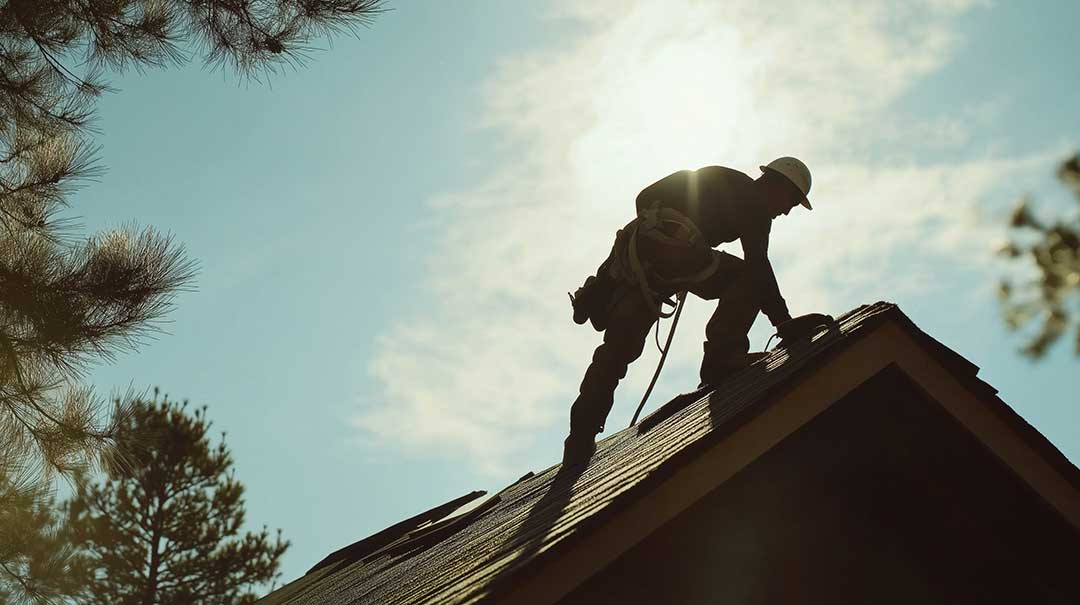
In the local winter climate, prevention matters. Keeping gutters clear, improving attic insulation and ventilation where appropriate, and watching for persistent ice buildup can reduce the chance of water intrusion. These steps do not guarantee coverage, but they may help prevent a maintenance issue from becoming a larger loss.
Do not use a roof rake, ladder, or de-icing method in a way that creates a fall or electrical hazard. Snow and ice removal can be dangerous, particularly on steep or heavily loaded roofs.
Can an insurer require roof repairs or replacement?
An insurer may inspect a roof and identify conditions that affect eligibility, renewal, or future coverage. The insurer may request repairs, documentation, or an updated inspection, especially when the roof appears severely deteriorated or presents a higher risk of water damage.
That does not necessarily mean the insurer is declaring that every old roof must be replaced immediately. The request should be reviewed carefully to determine whether it concerns current damage, policy renewal, underwriting requirements, or a specific safety issue.
Ask for written information about:
- The condition being identified
- The deadline for correcting it
- Whether temporary repairs are acceptable
- What documentation is required
- How the request affects current and future coverage
Does a new roof lower homeowners insurance premiums?
A new roof may affect insurance pricing, eligibility, or available discounts, but savings are not automatic. Insurers may consider the roof’s age, materials, installation quality, resistance to wind or hail, and the home’s overall risk profile.
After a roof replacement, retain permits, contracts, invoices, product information, photographs, and warranty documents. Provide relevant records to the insurer and ask whether the policy information should be updated.
A new roof also does not eliminate the deductible. If a future covered loss occurs, the homeowner generally remains responsible for the deductible stated in the policy.
What should Ithaca homeowners review before a claim?
A yearly policy review can uncover gaps before severe weather exposes them. Pay particular attention to the roof valuation, deductibles, exclusions, additional living expense coverage, and limits for personal belongings.
It is also useful to keep a simple home file containing:
- The insurance declarations page
- Roof installation or repair records
- Photos of the roof and exterior
- Interior photos and a household inventory
- Receipts for improvements
- Notes about past leaks or storm damage
Insurance is designed primarily for unexpected covered losses, not ordinary roof replacement. Understanding that distinction, maintaining records, and reviewing policy language before a storm can make decisions clearer when the roof or home is damaged.
