
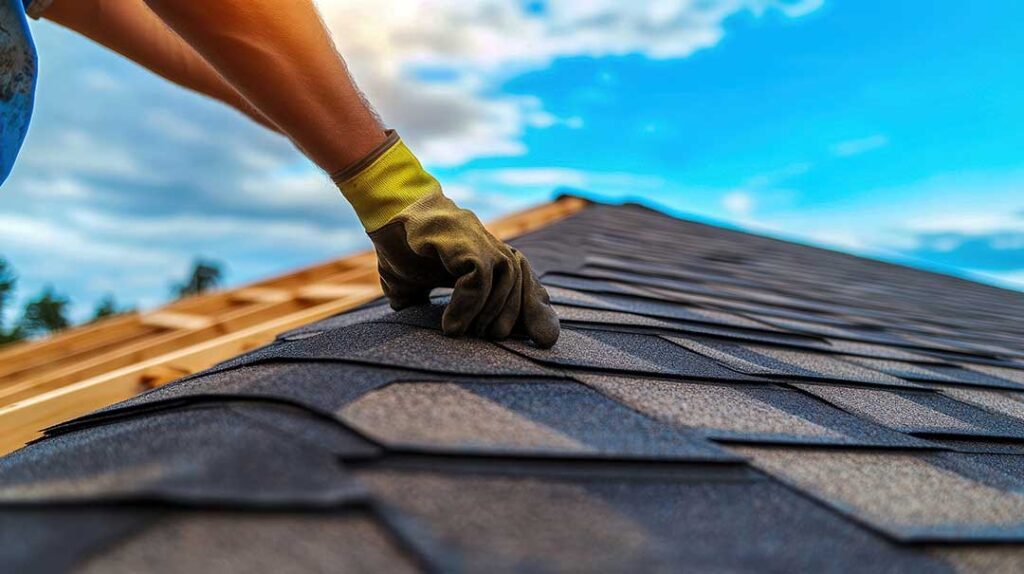
A new roof can reduce indoor allergens indirectly by limiting the moisture, dust, and outdoor debris that enter or accumulate inside a home. Roofing alone does not replace cleaning, ventilation, or air filtration, but a sound roof can remove several conditions that allow mold spores, mildew, and other irritants to persist.
For households in Ithaca, NY, this matters because seasonal rain, snow, freeze-thaw cycles, falling leaves, and ice buildup can all place stress on roofing materials and attic assemblies.
How can a new roof help reduce indoor allergens?
A properly installed roof helps keep water outside the building envelope. That can reduce damp insulation, wet roof decking, attic mold growth, and the musty conditions that often worsen indoor air quality.
A roof replacement may help by:
- Sealing areas where rain or melting snow enters
- Replacing water-damaged roof sheathing and underlayment
- Improving attic ventilation when the existing system is inadequate
- Reducing openings around roof penetrations
- Preventing birds, insects, and outdoor debris from entering attic spaces
- Supporting more stable indoor humidity when moisture intrusion has been a recurring problem
The effect is usually indirect. Roofing materials do not filter pollen or remove dust from living spaces. Instead, a reliable roof helps prevent moisture-related problems that can make allergens more difficult to control.
Why does moisture matter for allergies?
Moisture is one of the most significant roofing-related contributors to indoor allergen problems. Mold and mildew need moisture, an organic food source, and suitable temperatures to grow. Roof leaks can provide all three conditions in attics, wall cavities, and ceiling insulation.
A small leak may not produce an obvious ceiling stain. Water can travel along rafters, insulation, wiring, or ductwork before becoming visible. Over time, damp materials may develop a musty odor and release mold spores into the air.
Excess moisture can also affect dust mites, which thrive in humid indoor environments. A roof cannot be blamed for all household humidity, but leaks and damp attic conditions can add moisture to a home and make overall humidity control more difficult.
A new roof is most likely to improve allergen conditions when it addresses the source of moisture rather than only covering visible damage.
Which roofing problems can contribute to indoor allergens?
Several roof conditions may increase the risk of moisture and allergen problems:
Missing, cracked, or deteriorated shingles
Damaged roof coverings can allow rain and melting snow to reach the underlayment or wood decking. Repeated wetting may eventually affect insulation and ceiling materials.
Failed flashing
Flashing protects vulnerable areas around chimneys, roof valleys, walls, skylights, and other transitions. If it is loose, corroded, or poorly sealed, water may enter even when the main roof surface appears intact.
Blocked or poorly directed drainage
Leaves, ice, and debris can interfere with drainage. Water that backs up near roof edges or valleys may find its way beneath the roofing system.
Inadequate attic ventilation
Ventilation does not correct an active leak, but it helps remove heat and moisture from the attic. Poor airflow can contribute to condensation on cold roof components, especially during winter.
Damaged underlayment or roof decking
The layers beneath the visible roofing surface provide additional protection. If those materials are deteriorated, a roof may continue to admit moisture even after minor surface repairs.
Can replacing a roof remove mold from a house?
No. Replacing the roof can stop new moisture from entering, but it does not automatically remove mold that is already present.
Mold may remain in:
- Attic insulation
- Roof decking
- Ceiling drywall
- Wall cavities
- Wood framing
- Carpeting or stored belongings
The necessary response depends on the amount of growth, the materials affected, and whether the moisture source has been corrected. Porous materials with extensive contamination may need removal, while limited surface growth may be addressed through appropriate cleaning methods.
A common mistake is to install a new roof without examining the attic and nearby interior areas. If wet insulation or mold-damaged materials remain, indoor air quality may not improve as expected.
How does attic ventilation affect allergens?
Balanced attic ventilation can help manage moisture, but more ventilation is not always better. The system needs both intake airflow near the lower roof edges and exhaust airflow near the roof peak or another suitable high point. Blocking intake vents with insulation or adding exhaust vents without adequate intake can reduce performance.
Good attic ventilation may help limit:
- Condensation beneath the roof
- Persistent dampness in insulation
- Premature deterioration of roof decking
- Conditions that support mold growth

Ventilation should work alongside air sealing. Openings around plumbing pipes, electrical penetrations, attic hatches, and recessed lights can allow attic air and contaminants to move into living areas. Sealing these pathways can be just as important as improving airflow.
Does a new roof reduce pollen and outdoor dust?
Not directly. Pollen enters homes mainly through open doors and windows, clothing, pets, forced-air systems, and gaps in the building envelope. A roof replacement will not eliminate these pathways.
However, a roof project may provide an opportunity to identify related openings around attic vents, roof penetrations, soffits, and upper-story walls. Correcting those gaps can reduce the movement of dusty attic air into the home.
Households dealing with seasonal pollen may also benefit from practical measures such as:
- Replacing or cleaning HVAC filters according to the equipment instructions
- Keeping windows closed during high-pollen periods
- Removing shoes near entrances
- Washing bedding regularly
- Using exhaust fans during bathing and cooking
- Controlling indoor humidity
- Cleaning rather than dry-dusting surfaces
These steps address allergen sources that roofing work cannot.
What should Ithaca homeowners check before replacing a roof?
Before a roof replacement, an attic inspection can help determine whether indoor air concerns are connected to the roofing system. Useful items to examine include:
- Dark staining or water marks on rafters and roof decking
- Damp or compressed insulation
- Musty odors
- Visible mold or mildew
- Rusted nails or metal fasteners
- Daylight visible through roof or vent openings
- Condensation during cold weather
- Evidence of animals or insects entering through roof gaps
The timing of symptoms can also provide clues. If musty odors become stronger after rain, snowmelt, or periods of high humidity, moisture intrusion deserves attention. If symptoms occur mainly during spring or fall, outdoor pollen may be a more likely contributor.
What are common misconceptions about roofing and indoor air quality?
One misconception is that any new roof will automatically create healthier indoor air. The result depends on the condition of the attic, insulation, ventilation, flashing, and interior materials.
Another misconception is that attic ventilation can compensate for a leaking roof. Ventilation may help manage condensation, but it cannot reliably stop rain or melting snow from entering through damaged roofing.
It is also easy to overlook roof-adjacent spaces. Dormers, enclosed porches, attached garages, and upper-story wall intersections may experience moisture problems even when the main roof surface looks acceptable.
A roof replacement is most helpful for allergen control when it is treated as part of a broader moisture-management plan. Stopping leaks, drying or replacing affected materials, improving airflow, and maintaining reasonable indoor humidity work together to create a cleaner and more stable indoor environment.
