
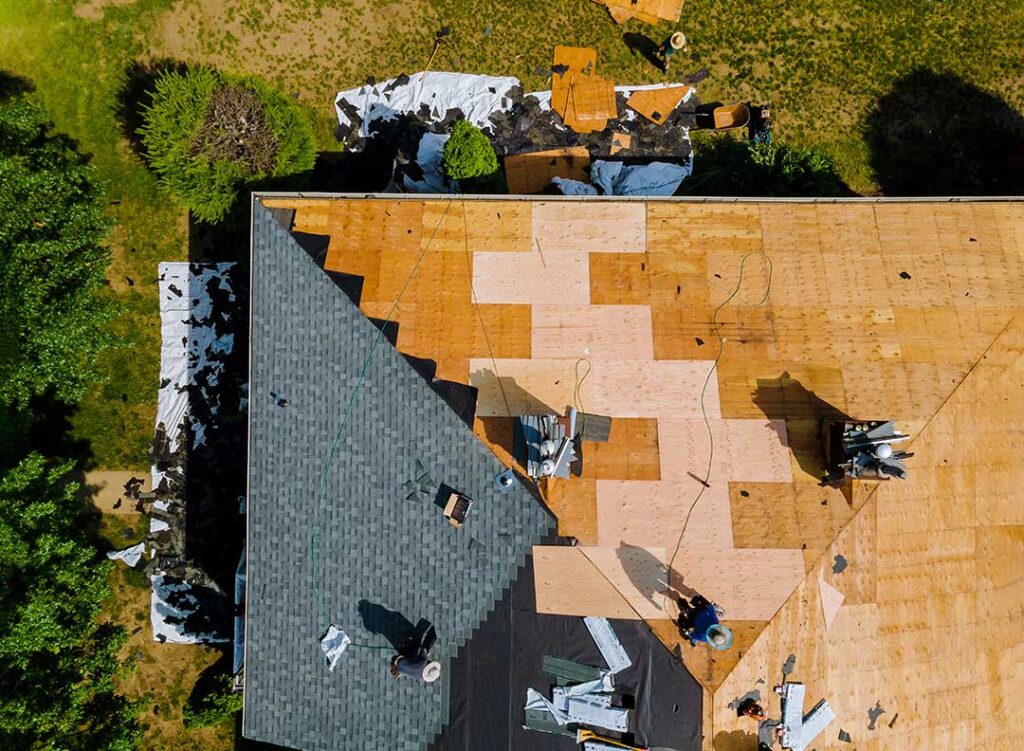
A professional roof inspection is a systematic review of the roof covering, flashing, drainage, attic, and related structural components. In Ithaca, NY, the process often focuses on problems made worse by snow, ice, freeze-thaw cycles, heavy rain, wind, and moisture trapped in older homes.
An inspection is not automatically a recommendation for replacement. Its purpose is to document current conditions, identify active or developing problems, and help determine which issues require immediate attention.
What happens before the inspection?
Before examining the roof, the inspector usually asks about the property’s history and any symptoms noticed by occupants. Useful information may include:
- The approximate age of the roof
- Previous repairs or partial replacements
- Recent storms, fallen branches, or heavy snow
- Water stains on ceilings or walls
- Drafts, unusual odors, or visible attic moisture
- Problems with ice buildup or recurring leaks
- Whether the inspection is related to a home purchase, insurance matter, or maintenance concern
Photos, repair invoices, and information about when a leak appears can help connect an interior symptom with an exterior cause. A stain that appears only during wind-driven rain, for example, may point to a different problem than moisture that develops during spring snowmelt.
The inspection may be postponed if the roof is covered with snow, coated in ice, or too wet and slippery to access safely. A visual review from the ground or attic may still be possible, but it may not provide the same level of detail as a hands-on roof examination.
Does the inspector walk on the roof?
Sometimes, but not always. Safe access depends on the roof’s slope, surface condition, height, weather, material, and the presence of fragile areas.
A low-slope roof with stable footing may be walked carefully. A steep roof, brittle slate, wet surface, or snow-covered section may be viewed from a ladder, nearby roof area, attic, or ground level instead. A responsible inspection should not damage roofing materials or create an avoidable fall risk simply to obtain closer photographs.
Inspection methods may include:
- Ground-level observation with binoculars or a camera
- Ladder access to roof edges
- Direct roof-surface examination
- Review of valleys, ridges, eaves, and roof penetrations
- Attic inspection from inside the building
- Moisture-meter readings where water intrusion is suspected
The final report should explain how the roof was observed and identify any areas that could not be safely examined.
What does the exterior roof inspection cover?
The exterior portion examines the roof as a system rather than looking only for missing shingles. The inspector typically checks the condition, installation, and drainage of several components.
Roof covering
For asphalt shingles, the review may identify curling, cracking, blistering, exposed fasteners, missing tabs, loose granules, or areas with unusual wear. On older homes, the inspector may also look for multiple roof layers or repairs that have aged differently from the surrounding materials.
Other roofing materials require different observations. Metal panels may be checked for corrosion, loose fasteners, open seams, and failed sealants. Slate and other rigid materials may be examined for cracked or displaced pieces and damaged fasteners.
Flashing and penetrations
Flashing directs water away from vulnerable joints. The inspection commonly includes flashing around:
- Chimneys
- Plumbing vent pipes
- Skylights
- Valleys
- Dormers
- Wall intersections
- Roof-to-porch transitions
- Edges around attached additions
These locations often develop leaks before the main roof field shows obvious damage. Sealant alone is not always a permanent solution, especially where flashing has been bent, corroded, or installed incorrectly.
Gutters, eaves, and drainage
Roof drainage is especially relevant where leaves, ice, and snow can obstruct water movement. The inspector may look for sagging gutters, loose fasteners, damaged downspouts, overflowing areas, or water discharging too close to the foundation.
Roof edges may also show signs of ice-related damage, deteriorated fascia, damaged drip edges, or moisture entering behind the gutter system.
Wind and storm damage
Storm-related findings may include displaced shingles, lifted metal panels, broken ridge materials, punctures from branches, and damage around vents or flashing. Not every irregularity is storm damage. Age-related deterioration and installation defects can look similar, so the report should distinguish between observed damage and assumptions about its cause.
Why is the attic inspected?
The attic can reveal problems that are not visible from the roof surface. An inspector may look for darkened wood, damp insulation, water tracks, rusted fasteners, daylight through roof joints, mold-like growth, and deterioration around roof penetrations.
Moisture does not always enter through a roof leak. Condensation can form when warm indoor air reaches cold roof sheathing, particularly if bathroom fans discharge into the attic, insulation blocks intended airflow, or ventilation is poorly balanced.
The inspection may also consider:
- Whether soffit and ridge ventilation pathways are open
- Whether insulation is wet or displaced
- Whether exhaust ducts terminate outdoors
- Whether roof framing shows sagging or movement
- Whether electrical or mechanical equipment is affecting attic moisture
- Whether previous leak repairs remain damp

In a cold-climate community, attic ventilation and air sealing deserve careful attention because repeated winter condensation and spring thaw can damage wood even when the roof covering appears serviceable.
What happens inside the living space?
Interior checks help locate the visible effects of water intrusion. Ceilings, upper-floor walls, window and chimney areas, and spaces beneath valleys may be examined for staining, peeling paint, soft drywall, warped trim, or musty odors.
A ceiling stain does not necessarily sit directly below the leak. Water can travel along rafters, roof decking, insulation, or framing before becoming visible. For that reason, the location of an interior mark is a clue, not proof of the exact entry point.
An inspector may also check whether a suspected leak is active at the time of the visit. If no moisture is present, the report may recommend monitoring or further evaluation during rain or melting snow rather than claiming that the source has been confirmed.
What will the inspection report include?
A useful report separates observed conditions from opinions and urgency. It may include photographs, descriptions of materials, approximate remaining service life, limitations on access, and recommendations for further investigation.
Findings are often grouped into practical categories:
- Immediate safety concern: loose materials, unstable components, or conditions that could fall or cause injury
- Active water intrusion: evidence that water is currently entering the building
- Repair needed: localized deterioration that should be corrected to prevent escalation
- Maintenance item: debris, minor sealant wear, or drainage concerns
- Monitor: aging or developing conditions that do not yet require immediate work
- No significant issue observed: areas that appear sound within the limits of the inspection
A report should not treat normal aging as automatic failure. Shingles can show granule loss without leaking, and an older roof may remain functional while approaching the point where budgeting for future work is sensible.
What should residents ask after the inspection?
The most useful questions focus on evidence and priority:
- Which findings are confirmed, and which are possible?
- Is there active moisture inside the building?
- Can the issue be repaired locally, or does it affect a larger roof section?
- What areas were inaccessible because of weather or safety conditions?
- Are attic moisture and roof leakage being distinguished?
- Which repairs are urgent, and which can be planned?
- Could the problem affect insulation, framing, ceilings, or electrical components?
- Are permits or code requirements relevant to the proposed work?
New York’s building requirements can apply to certain roof alterations, structural repairs, and related work. The inspection itself does not replace a permit review or code determination, but a report can identify when those questions need to be addressed.
A professional roof inspection is most useful when it provides clear observations, explains uncertainty, and connects exterior conditions with attic and interior evidence. For households dealing with winter weather, older construction, and repeated moisture exposure, that broader view is often more informative than simply counting damaged shingles.
