
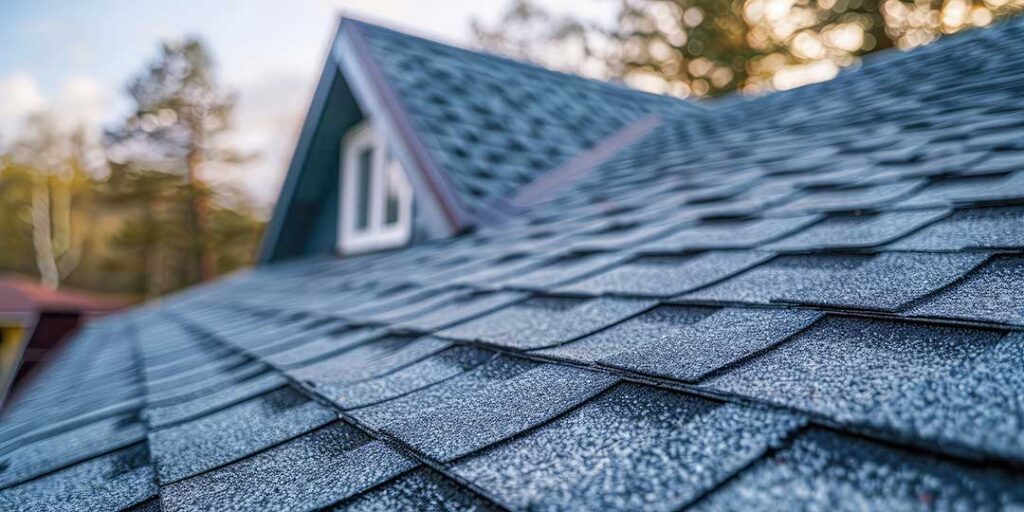
Roof pitch affects much more than a home’s appearance. It influences how efficiently a roof sheds rain and snow, which materials are suitable, how much attic space is available, and how safely the roof can be inspected or maintained.
For homeowners in Ithaca, understanding pitch is especially useful because roofs must handle seasonal rain, freeze-thaw cycles, ice formation, and periods of wet or heavy snow.
What does roof pitch mean?
Roof pitch describes how steep a roof is. It is usually written as a ratio showing how many inches the roof rises for every 12 inches it extends horizontally.
Examples include:
- 4:12: The roof rises 4 inches for every 12 inches of horizontal distance.
- 6:12: The roof rises 6 inches for every 12 inches of horizontal distance.
- 12:12: The roof rises 12 inches for every 12 inches of horizontal distance, creating a 45-degree angle.
The first number is the vertical rise. The second number is almost always 12, which makes different roofs easier to compare.
People often use “roof pitch” and “roof slope” interchangeably. In practical roofing discussions, both terms usually refer to the steepness of the roof surface.
Why is roof pitch important?
Roof pitch affects how quickly water, leaves, and snow move off the roof. A steeper roof generally sheds precipitation more readily, while a low-slope roof may allow water to remain on the surface longer if drainage is poor.
Pitch also affects:
- The roofing materials that can be installed
- The amount of underlayment and water protection required
- The likelihood of snow accumulation
- Attic ventilation and usable storage space
- The complexity and safety of maintenance
- The overall roof area and replacement cost
Pitch is not the only factor that determines performance. Flashing, ventilation, drainage, roof shape, material quality, installation details, and structural design all matter. A steep roof with damaged flashing can still leak, while a low-slope roof can perform well when properly designed and maintained.
Which roof pitches are common?
Residential roofs vary widely, but several pitch ranges appear often:
- Low slope: Less than about 3:12
- Moderate slope: Approximately 4:12 to 6:12
- Steep slope: About 8:12 or higher
A 4:12 roof has a noticeable angle without being extremely steep. A 6:12 roof is steeper and usually sheds precipitation more quickly. Roofs above 8:12 can be difficult to walk on safely and may require specialized access methods for inspection or repair.
These categories are general descriptions rather than universal legal classifications. Building requirements can differ depending on the roof covering, structure, location, and applicable code edition.
How does pitch affect snow and ice?
A steeper roof can reduce the amount of snow that stays on the roof surface, but it does not guarantee that snow will slide off. Snow may remain in valleys, behind dormers, near chimneys, or where roof sections meet. Wet snow can also cling to rough surfaces and accumulate even on a relatively steep roof.
A low-slope roof may retain snow for longer periods, increasing the importance of structural design, drainage, and regular observation after major storms. Snow drifting can create uneven loads, especially around taller roof sections, parapets, additions, and nearby structures.
Roof pitch also affects ice dam risk. Ice dams form when melting snow refreezes near colder eaves and blocks drainage. Pitch alone does not cause or prevent ice dams. Attic insulation, air sealing, ventilation, roof temperature, weather conditions, and underlayment all play a role.
In Ithaca, repeated temperature changes around freezing can make this issue more noticeable during winter. Water that repeatedly melts and refreezes can find its way beneath roof coverings or into vulnerable flashing areas.
How does pitch affect roofing materials?
Different roof coverings have different minimum slope requirements. Asphalt shingles, for example, are not intended for every low-slope application. A roof with limited pitch may require additional underlayment, a different installation method, or a membrane-style roofing system.
Metal roofing can be used across a range of slopes, but the design and fastening method matter. Some systems depend on concealed seams, while others are installed over solid decking with exposed fasteners. The manufacturer’s requirements must match the roof’s pitch and expected weather exposure.
Roofing material should never be selected by pitch alone. The decision also depends on:
- Existing roof framing
- Deck condition
- Drainage layout
- Roof valleys and penetrations
- Local snow and wind conditions
- Manufacturer installation requirements
- Compatibility with adjoining roof sections
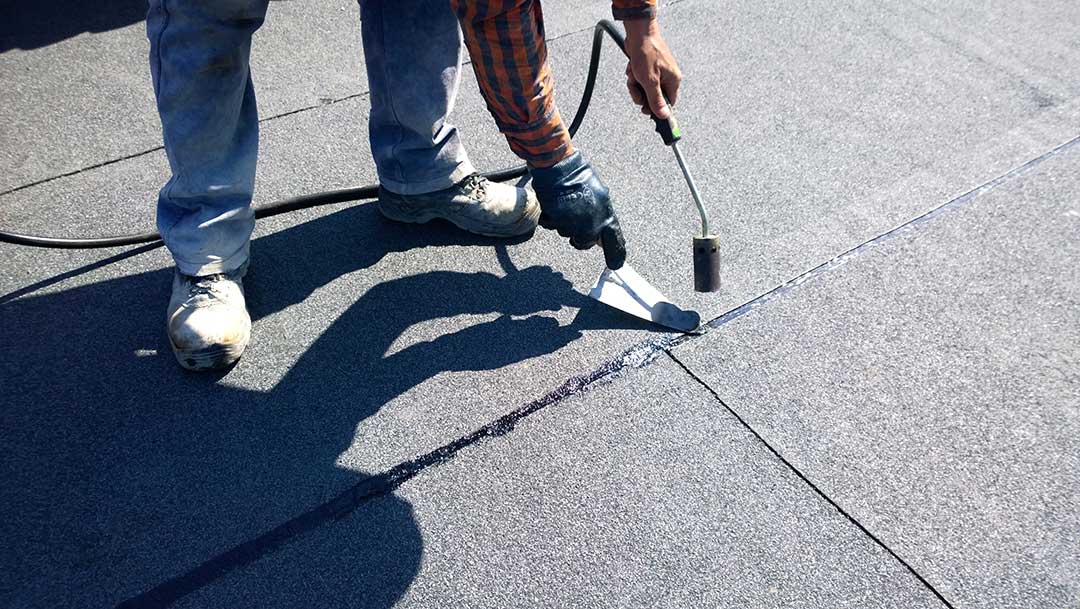
A material that works well on one portion of a house may not be suitable on a lower-slope porch, dormer, or addition.
Can roof pitch be measured from the ground?
A rough estimate can often be made from the ground by looking at the roof angle, but an accurate pitch measurement requires more care. Pitch can be measured from inside an attic, from the roof edge, or with specialized tools.
One simple method is to measure the vertical rise over a horizontal distance. For example, if a level extends 12 inches horizontally and the roof rises 6 inches above that line, the pitch is 6:12.
Measuring from an attic is often safer than climbing onto the roof. However, not every attic provides a clear view of the rafters, and some homes have roof sections with different pitches. A single house may include a main gable roof, low-slope porch roof, dormers, and small additions.
Does a steeper roof always perform better?
No. Steeper roofs offer advantages, but they also have tradeoffs.
A steep roof may shed rain and snow efficiently, create more attic volume, and provide a strong traditional appearance. However, it can be harder and more hazardous to inspect. Wind exposure may also be greater, and detailed flashing work around chimneys, skylights, and roof transitions becomes especially important.
A low-slope roof can be easier to access and may suit additions, porches, garages, or contemporary designs. Its success depends heavily on positive drainage, properly sealed seams, reliable flashing, and suitable roofing materials.
The most durable roof is not necessarily the steepest one. It is the one whose pitch, structure, materials, drainage, and ventilation work together.
What should homeowners look for on different pitches?
From the ground, residents can watch for signs that water or snow is not moving as intended:
- Sagging roof lines
- Persistent moss or dark staining
- Overflowing or frequently clogged gutters
- Ice buildup along eaves
- Stains on attic insulation or ceilings
- Missing, lifted, or cracked roofing materials
- Debris collecting in valleys
- Water marks near chimneys, skylights, and roof-to-wall joints
Avoid walking on a steep or wet roof. Snow-covered surfaces, frost, moss, and loose roofing materials can create serious fall hazards. Conditions around ladders, eaves, and roof edges can also change quickly during winter.
Roof pitch is a basic design measurement, but it has wide-ranging effects on a home’s weather protection. Understanding that relationship helps residents interpret roof inspections, recognize potential drainage problems, and make more informed decisions about maintenance in a climate with rain, snow, and repeated freeze-thaw conditions.
