
What is the difference between re-roofing and roof replacement?
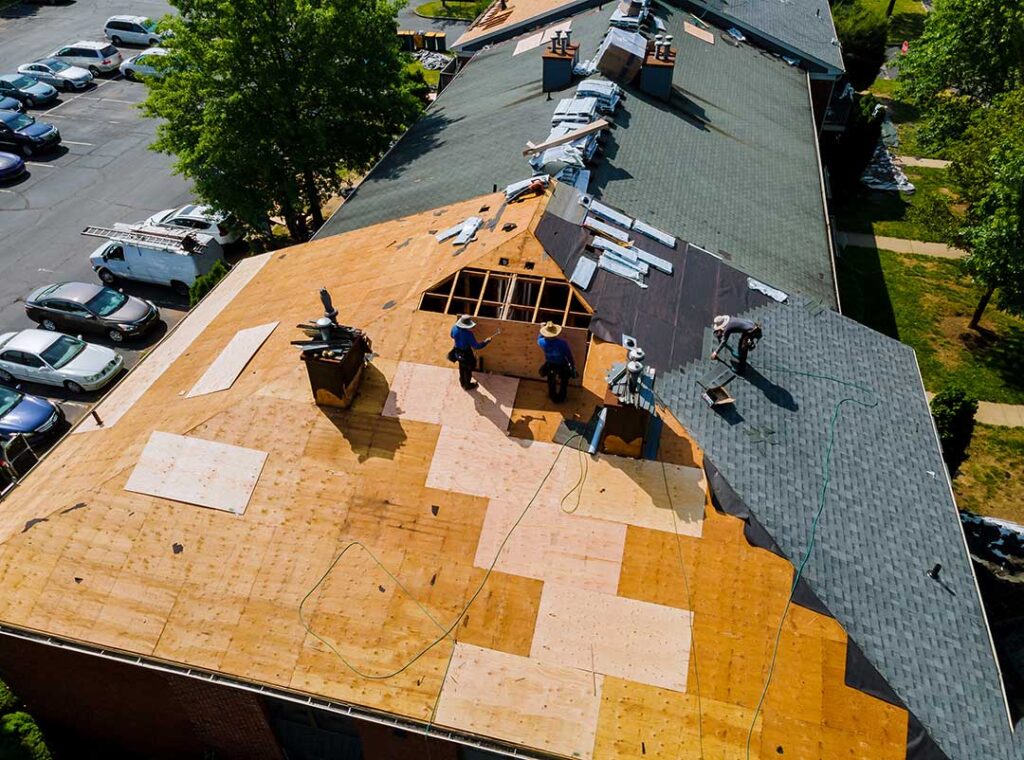
In Ithaca, NY, re-roofing usually means installing new shingles over an existing layer, while roof replacement means removing the old roofing down to the roof deck before installing new materials. The two approaches may look similar from the ground, but they address very different conditions.
Re-roofing is primarily a surface upgrade. It can improve appearance and add another weather-resistant layer when the existing roof is relatively sound.
Roof replacement is a more complete repair. It allows the underlying deck, flashing, underlayment, ventilation, and structural condition to be examined and corrected as needed.
What does re-roofing involve?
Re-roofing, sometimes called an overlay, places a new layer of shingles over existing shingles. The old roofing remains in place, so the work is generally faster and creates less tear-off debris.
This approach may be suitable when:
- The existing roof has only one layer of shingles.
- The roof deck is dry, solid, and free of widespread sagging.
- There are no major leaks or extensive water damage.
- Shingle surfaces are worn but still relatively flat.
- Flashing and roof edges can be properly addressed.
Re-roofing is not the same as repairing every roofing component. Problems beneath the shingles may remain hidden, including deteriorated wood, trapped moisture, inadequate ventilation, or damaged flashing around chimneys, skylights, and roof penetrations.
A new shingle layer may also add weight. The existing roof structure must be capable of supporting it, and local requirements may limit how many roofing layers are permitted. Those rules can vary by construction type and project conditions.
What does roof replacement involve?
Roof replacement removes the existing roofing materials, usually including the shingles, underlayment, and sometimes damaged sections of roof decking. The exposed deck can then be inspected before new roofing is installed.
A complete replacement may include:
- Removal of old shingles and underlayment
- Replacement of rotted or weakened roof decking
- New underlayment and ice-barrier materials where required
- Repair or replacement of flashing
- Improvements around chimneys, walls, valleys, vents, and skylights
- Installation of new shingles or another approved roof covering
- Examination of ventilation and drainage details
Replacement takes more labor and usually produces more debris, but it provides a clearer view of the roof’s actual condition. That matters because a roof can appear acceptable from the outside while having concealed damage below the shingles.
Which option lasts longer?
A properly installed roof replacement generally offers the more dependable long-term result because the installation begins with an inspected roof deck and new supporting layers. The expected service life still depends on material quality, installation, ventilation, drainage, maintenance, and exposure to weather.
Re-roofing can provide useful additional service life when the existing roof is in good condition. Its durability may be reduced if the old shingles are curled, uneven, brittle, or installed over a damaged deck.
A new layer cannot correct a roof that is already distorted. Shingles installed over uneven surfaces may show visible ridges, premature wear, or poor water-shedding performance.
How does Ithaca weather affect the decision?
The local climate makes hidden roof problems more significant than they might first appear. Snow accumulation, repeated freezing and thawing, wind-driven rain, damp conditions, and ice formation can expose weaknesses around roof edges, valleys, flashing, and penetrations.
Water may enter when ice or snow backs up near the eaves. Once moisture gets beneath the shingles, it can damage underlayment, decking, insulation, and interior finishes. Freeze-thaw cycles can also enlarge small gaps and cracks over time.
For that reason, a surface-only solution may be less appropriate when a roof has a history of leaks, recurring ice buildup, or visible signs of moisture in the attic. Good drainage, adequate attic ventilation, and correctly installed edge protection are part of the roof system—not separate cosmetic details.
What signs suggest that re-roofing may not be enough?
Several conditions point toward replacement rather than an overlay:
- Multiple active leaks or leaks in different areas
- Sagging roof planes or visibly uneven surfaces
- Soft spots in the roof deck
- Widespread mold-like staining or damp insulation in the attic
- Shingles that are curling, buckling, or missing across much of the roof
- Granules collecting heavily in gutters
- Damaged or failing flashing
- Evidence of repeated temporary repairs
- More than one existing layer of shingles
- Roof materials that are near or beyond their expected service life
A single damaged area does not automatically require complete replacement. However, widespread deterioration usually means the roof’s problems are no longer limited to the visible shingle surface.
Can a roof be re-roofed over damaged shingles?
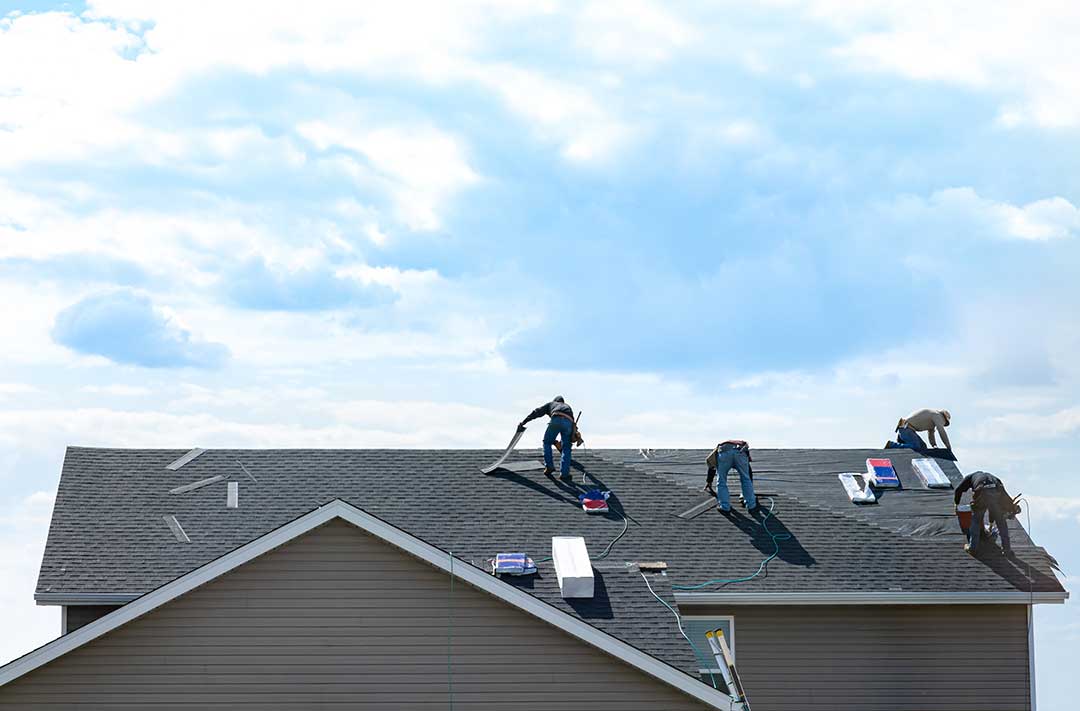
Sometimes, but not reliably. New shingles should be installed over a reasonably flat, secure, and structurally sound surface. They are not intended to conceal major rot, sagging, active moisture intrusion, or severely distorted old shingles.
Installing new material over damaged roofing can make future problems harder to locate. It may also prevent proper repair of flashing and roof edges, which are common entry points for water.
An overlay can be considered only after the existing roof has been evaluated for condition, layer count, drainage, and compatibility with the new roofing material.
Is roof replacement always the better choice?
No. Replacement is more comprehensive, but it is not automatically necessary for every aging or unattractive roof. If the roof deck is sound and the existing shingles are a single, stable layer, re-roofing may be a reasonable option under applicable requirements.
The decision should account for more than short-term cost. Relevant questions include:
- How old is the existing roof?
- How many layers are already present?
- Are leaks isolated or widespread?
- Is the roof deck known to be sound?
- Are flashing and ventilation functioning properly?
- Is the building likely to remain occupied for many years?
- Will an overlay make future repairs more difficult?
A lower initial cost does not always represent better value if concealed damage remains unresolved. Conversely, removing a sound roof unnecessarily can add expense and waste without improving performance proportionally.
What should homeowners check before choosing?
Before deciding, inspect both the exterior and attic if conditions are safe. Look for daylight through the roof deck, damp insulation, stained wood, musty odors, sagging areas, and signs of past leaks.
Exterior observations may include:
- Shingle curling, cracking, blistering, or missing sections
- Exposed fasteners
- Loose or rusted flashing
- Damaged pipe collars and vent coverings
- Ponding water on low-slope sections
- Excessive moss or debris holding moisture against the roof
The age of the roof is useful but not decisive. A relatively young roof can have installation or ventilation problems, while an older roof may remain serviceable in limited conditions. Physical condition and the extent of damage provide better guidance than age alone.
Why the roof deck and flashing matter
Shingles receive most of the visual attention, but the roof deck and flashing are critical to performance. The deck supports the roofing system, while flashing directs water around transitions and penetrations.
A re-roofing project may leave these components largely hidden. A replacement exposes them, making it possible to identify soft wood, improperly sealed joints, blocked drainage paths, and other defects.
For homes exposed to snow, wind, and repeated temperature changes, those details can determine whether a roof sheds water reliably or develops recurring trouble around its most vulnerable areas.
The practical distinction
Re-roofing adds a new surface over an existing roof that is still fundamentally sound. Roof replacement removes the existing system so the roof deck and underlying components can be inspected and rebuilt where necessary.
If the problem is mainly worn shingles, re-roofing may be suitable. If the problem involves moisture, structural weakness, multiple layers, widespread deterioration, or failing flashing, replacement is usually the more complete solution. The right choice depends on the roof’s actual condition, not simply its appearance from the ground.
