
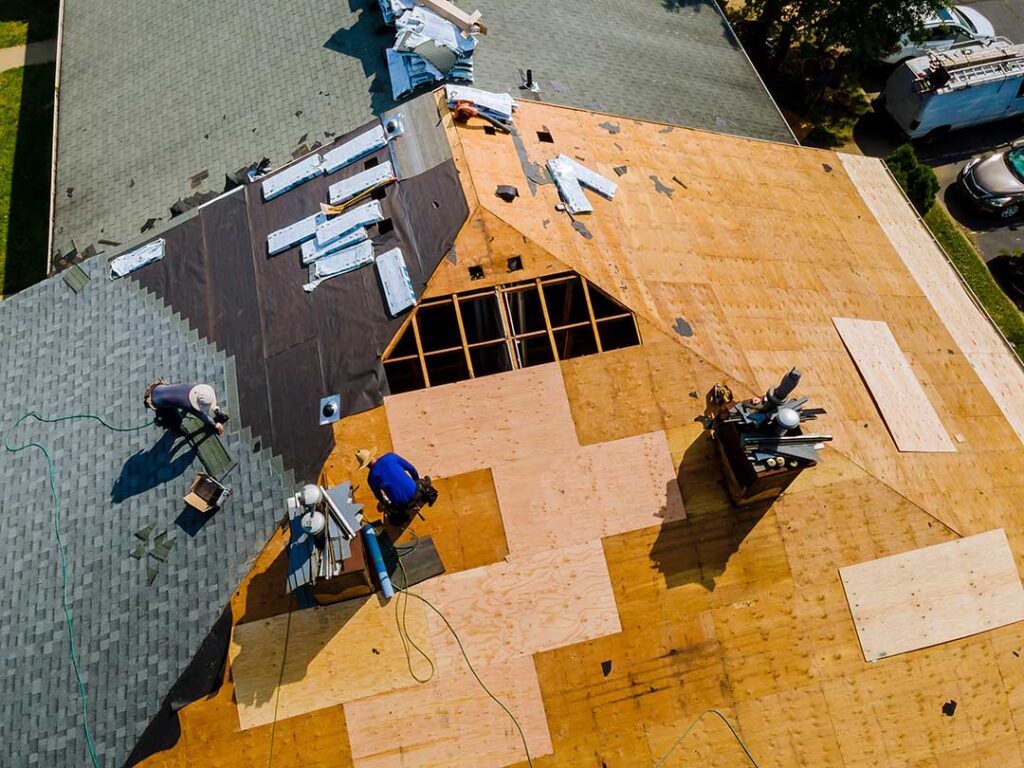
Preventive roof maintenance is the routine inspection, cleaning, minor repair, and monitoring that helps a roof remain watertight and structurally sound. For homes in Ithaca, NY, this work has particular value because roofs must handle repeated freeze-thaw cycles, snow, ice, wind, rain, fallen leaves, and changing moisture conditions.
The long-term benefit is not simply a better-looking roof. Regular care can delay major replacement, reduce the chance of interior water damage, improve energy performance, and make roofing problems easier to manage before they become urgent.
How does preventive maintenance extend a roof’s useful life?
A roof usually does not fail all at once. Small weaknesses develop first: a cracked seal, a lifted shingle, a clogged drainage path, exposed fasteners, or flashing that has begun to separate. If these conditions are found early, they may be corrected before water reaches the roof deck, insulation, framing, or interior finishes.
Routine maintenance helps by:
- Keeping water moving toward gutters, drains, and proper discharge areas
- Reducing the amount of time moisture remains against roofing materials
- Protecting flashing around chimneys, vents, skylights, and wall intersections
- Finding loose, damaged, or missing roofing components
- Removing organic debris that can hold moisture against the roof
- Tracking gradual changes in the roof’s condition over several seasons
A roof that receives periodic attention may not last indefinitely, but it is less likely to experience avoidable damage. Maintenance also gives property owners a clearer understanding of when repairs are appropriate and when replacement planning should begin.
Why does Ithaca’s climate make roof maintenance especially useful?
Seasonal weather creates repeated stress rather than one single source of damage. Snow adds weight, while ice can form at roof edges and interfere with drainage. During freeze-thaw cycles, water can enter small cracks, freeze, expand, and gradually enlarge the opening.
Heavy rain and wind can also expose weak areas. Wind may lift shingle edges or loosen flashing, even when damage is difficult to see from the ground. During warmer months, leaves, twigs, pollen, and other debris may collect in valleys and gutters. These materials can slow drainage and keep roofing surfaces damp.
Older homes and buildings with multiple roof sections may require additional attention because they often contain more valleys, transitions, additions, dormers, or masonry intersections. Each change in roof direction creates another location where water must be directed and sealed properly.
What parts of a roof should be checked regularly?
A useful inspection looks beyond the shingles. The visible roof covering is only one part of the system.
Important areas include:
Shingles or other roof coverings
Look for missing pieces, lifted edges, cracking, curling, excessive granule loss, or unusually dark areas. Isolated damage may be repairable, while widespread aging can indicate that the roof is approaching the end of its serviceable life.
Flashing and penetrations
Flashing protects places where the roof meets a chimney, wall, vent, skylight, or other structure. Open seams, rusted sections, gaps, and loose material can allow water into concealed areas.
Gutters and downspouts
Gutters should be clear enough to carry water away from the roof. Downspouts need to discharge water far enough from the foundation to avoid concentrating moisture beside the building.
Roof valleys
Valleys collect water and often receive runoff from large sections of roof. Leaves and branches commonly settle there, and damaged valley materials can lead to leaks that appear far from the original problem.
Attic and interior areas
The underside of the roof can reveal clues that are not visible outside. Staining, damp insulation, musty odors, daylight through unexpected openings, or darkened wood may indicate water entry or inadequate ventilation.
How often should preventive roof maintenance be performed?
Many homes benefit from a basic roof review at least twice a year: once after winter conditions have passed and again before the coldest part of the year. Additional checks are sensible after severe wind, heavy snow, ice, or a nearby fallen branch.
Maintenance does not always require extensive work. A review may confirm that the roof is functioning normally, identify a small repair, or document changes for future comparison. Keeping dated photographs and notes can make it easier to recognize gradual deterioration.
The appropriate schedule depends on roof age, material, slope, nearby trees, drainage design, attic ventilation, and the number of severe weather events the property experiences. A newer roof may need simple observation, while an older roof may warrant closer monitoring.
Can preventive maintenance reduce heating and cooling costs?
Roof maintenance can support energy efficiency, although it is not a substitute for proper insulation or air sealing. Water-damaged insulation performs poorly, and inadequate attic ventilation can contribute to moisture accumulation and uneven temperatures.
A well-maintained roof helps preserve the building envelope by limiting unwanted water entry. Properly functioning ventilation and insulation can also reduce heat buildup during summer and help manage moisture during winter.
Ice at roof edges is sometimes blamed entirely on snow or cold temperatures. In many cases, persistent ice formation is also connected to heat escaping into the attic, uneven insulation, restricted ventilation, or drainage conditions. Removing ice without addressing the underlying cause may provide only temporary relief and can create additional damage.
What are the financial benefits of regular roof care?
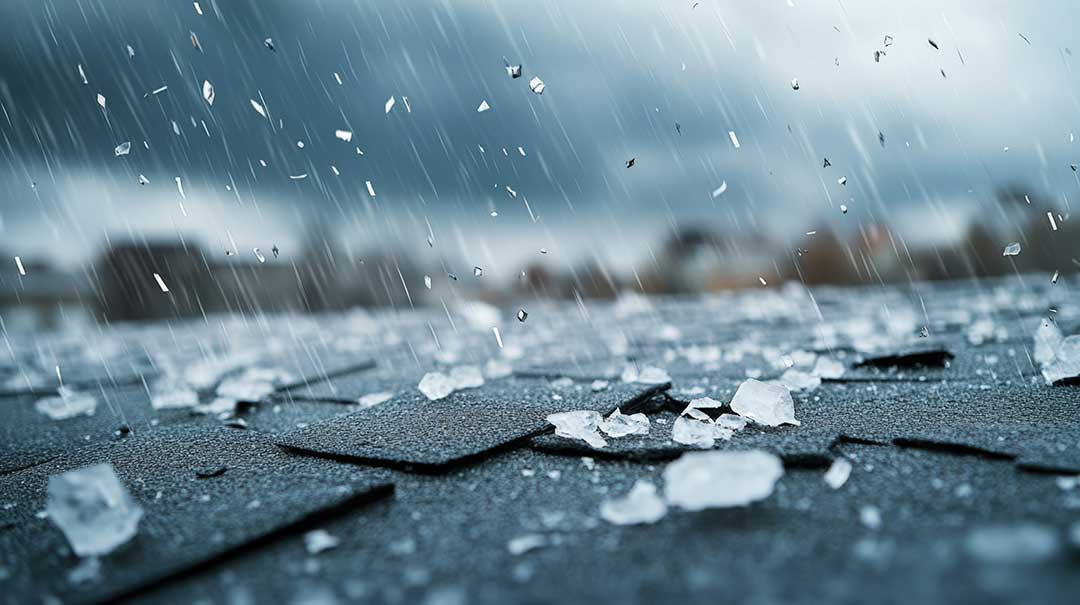
Preventive maintenance changes the timing and scale of roofing expenses. A small repair is generally less disruptive than replacing damaged decking, insulation, drywall, paint, trim, or structural wood after a long-term leak.
The financial value may include:
- Fewer emergency repairs during severe weather
- Lower risk of interior water damage
- More time to plan for eventual replacement
- Better ability to compare repair costs with remaining roof life
- Reduced likelihood that a minor defect becomes a larger building problem
Maintenance also helps avoid unnecessary replacement. Not every stain or damaged shingle means the entire roof has failed. Careful inspection can distinguish between isolated defects and widespread system deterioration.
Which roof problems should not be ignored?
Some signs deserve prompt attention because they may indicate active water entry or a safety concern:
- Water stains that are growing or appearing after rain
- Sagging roof surfaces or ceiling areas
- Shingles or roofing materials found on the ground
- Persistent damp or musty attic conditions
- Damaged flashing around roof penetrations
- Gutters pulling away from the roof edge
- Ice buildup associated with interior leaks
- Exposed electrical components near wet areas
Roof surfaces become hazardous when wet, icy, steep, or unstable. Walking on a roof without suitable training and safety equipment can damage materials or result in a serious fall. Conditions involving structural sagging, active leaks near electrical systems, or significant storm damage require extra caution and may justify evaluation by a qualified roofing or building professional.
What is the most practical maintenance approach for homeowners?
The most useful approach is consistent observation rather than occasional reaction. Keep gutters and drainage paths clear, watch for changes after storms, inspect accessible attic areas, and record visible concerns with dates and photographs.
Avoid pressure-washing roofing materials, applying unapproved coatings, or covering a suspected leak without identifying its source. Temporary patches can redirect water into concealed spaces and make the original problem harder to diagnose.
Preventive roof maintenance has long-term value because it preserves options. It allows small problems to be addressed while they are still localized, supports better household planning, and helps a roof perform more reliably through the demanding seasonal conditions experienced by local residents.
