
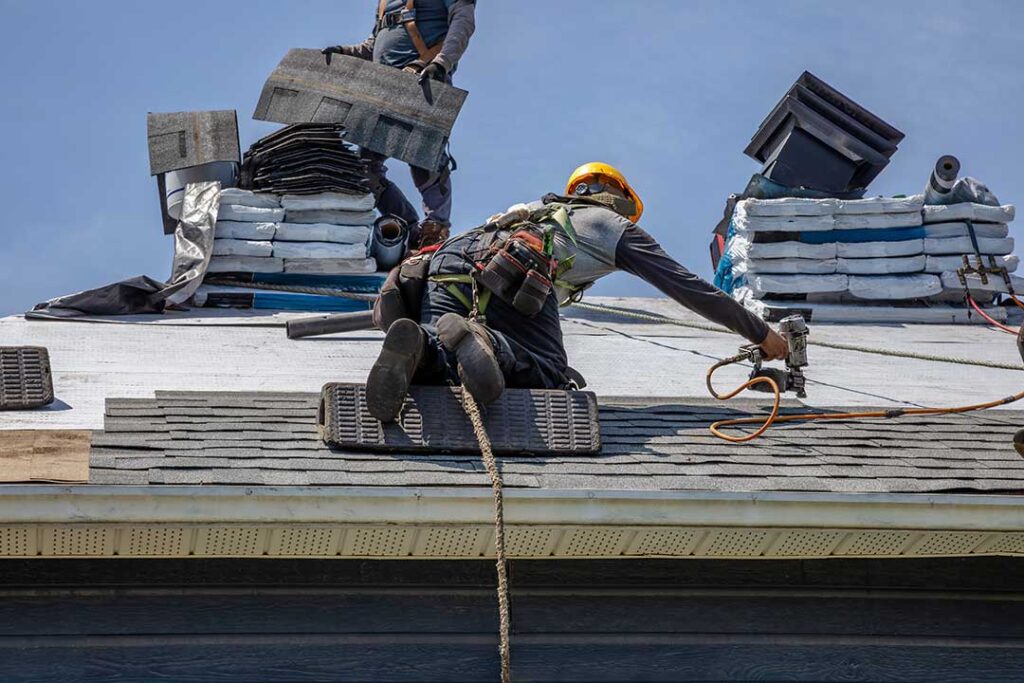
Roof work is rarely a routine household task. A roof can look dry and manageable from the ground while still having hidden hazards such as weak decking, loose shingles, steep slopes, slick algae, or unstable ladders. For residents of Ithaca, NY, seasonal snow, freezing temperatures, rain, wind, and older housing stock can make rooftop access especially risky.
The safest approach is to avoid climbing whenever the condition can be inspected from the ground or from an attic. If roof access is necessary, plan carefully, use appropriate equipment, and stop immediately when conditions become uncertain.
Is it safe for a homeowner to climb onto a roof?
Sometimes, but many situations are unsafe for untrained or unequipped homeowners. A low-slope roof with dry, stable surfaces may present less risk than a steep roof, but no roof should be treated as a normal walking surface.
Avoid climbing onto the roof when:
- Snow, frost, ice, rain, or heavy dew is present
- Wind is strong or gusty
- Shingles are visibly loose, curled, brittle, or covered with moss
- The roof is steep, tall, or difficult to reach with a properly secured ladder
- The structure shows sagging, water damage, or signs of rot
- You feel unsteady, rushed, tired, or uncomfortable with heights
- You would need to step onto skylights, plastic panels, gutters, or unsupported coverings
Roof surfaces can become slippery from moisture even when they appear clean. Asphalt shingles also lose some of their protective surface as they age, making them more fragile and less predictable underfoot.
What should be checked from the ground first?
A ground-level inspection can answer many basic questions without exposing anyone to a fall. Use binoculars if needed, and inspect the roof from several angles around the property.
Look for:
- Missing, cracked, or lifted shingles
- Dark stains or streaks that may indicate moisture retention
- Sagging roof lines or dips
- Damaged flashing around chimneys, vents, and roof edges
- Gutters pulling away from the roof
- Tree limbs touching or overhanging the roof
- Granules collecting at downspouts
- Water stains on exterior walls, ceilings, or attic framing
- Snow buildup concentrated in unusual areas
A roof that appears uneven or visibly damaged should not be entered. Structural weakness may not be obvious from above, especially near long-term leaks.
How should a ladder be positioned?
A ladder is often the first major hazard in roof access. It should stand on firm, level ground and be placed away from doors, vehicle paths, downspouts, soft soil, and icy areas.
Before climbing:
- Inspect the ladder for bent rails, damaged feet, loose hardware, and contamination such as mud or ice.
- Keep the ladder away from overhead electrical lines.
- Extend the ladder above the roof edge so there is a stable handhold when stepping off and back on.
- Secure the top and bottom when possible so it cannot slide or shift.
- Maintain three points of contact while climbing: two hands and one foot, or two feet and one hand.
- Face the ladder while ascending and descending.
- Keep both hands available rather than carrying tools.
- Ask another adult to stabilize the ladder and remain nearby.
Do not place a ladder on top of boxes, buckets, scaffolding, snow, or other materials to gain height. Do not move or reposition a ladder while someone is on it.
What footwear and clothing are safest?
Footwear should have clean, slip-resistant soles and fit securely. Work boots with worn tread can be dangerous on both ladders and shingles. Avoid smooth-soled shoes, loose sandals, and footwear contaminated with mud, oil, or snow.
Wear clothing that allows free movement without loose cords, dangling straps, or oversized fabric that can catch on equipment. Gloves may improve grip on a ladder, but they should not create a false sense of security on slick roofing materials.
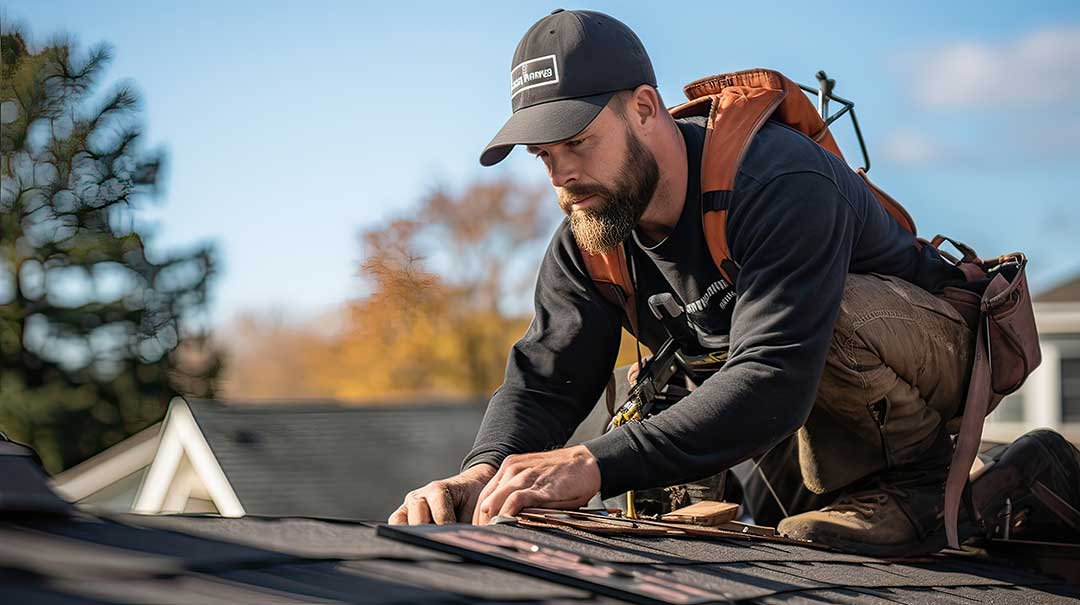
In warm weather, heat can lead to dizziness and poor judgment. In colder months, bulky clothing can restrict movement while ice and frozen surfaces increase the likelihood of a fall.
What equipment should be used on a roof?
Basic hand tools do not make a roof safe. Fall protection must be selected and installed correctly for the roof design, and it must be attached to an appropriate structural point rather than a gutter, vent, chimney, or decorative trim.
Depending on the roof, safe work may require:
- A properly rated ladder
- Fall-restraint or fall-arrest equipment designed for roofing
- Secure anchors installed according to the equipment instructions
- A stable roof bracket or walkway system where appropriate
- Eye protection when handling shingles, fasteners, or debris
- A tool belt or controlled method for raising tools
- A ground-level spotter
Improvised anchors, ordinary rope, makeshift boards, and unsecured extension ladders should not be treated as fall protection. Equipment that has been involved in a fall may need to be removed from service, even if it appears undamaged.
How can homeowners reduce fall hazards around the house?
Many roof-related injuries happen before a person reaches the roof or after the task seems finished. Keep the area below and around the ladder clear of children, pets, vehicles, patio furniture, and loose materials.
Secure or remove items that could be struck by falling tools or roofing debris. Close and lock nearby windows if work is occurring above them. Let another person know where you are and what you are doing, especially if working alone would delay emergency assistance.
Never work on a roof during a storm or when lightning is nearby. Wind can shift ladders, lift materials, and make balance difficult. Rain can also travel into electrical equipment, attic spaces, and wall openings.
Is snow removal from a roof safe to do personally?
Snow removal can be dangerous because snow may conceal weak areas, ice, roof damage, and skylights. Heavy or uneven snow loads can also change the roof’s stability, particularly on older structures or additions.
If snow must be reduced, work from the ground with a roof rake designed for that purpose, keeping clear of falling snow and avoiding contact with overhead wires. Do not climb onto a snow-covered roof with a shovel. Removing snow unevenly can create additional stress, and snow sliding from a roof can injure people, damage property, or block exits.
Ice dams should not be chopped with an axe, hatchet, or other sharp tool. Forceful removal can damage shingles and underlayment while increasing the risk of a fall.
What should be done after a storm?
After high winds, heavy rain, or a winter storm, inspect from the ground before attempting any repair. Stay away from downed wires, damaged trees, sagging roof sections, and areas where water has entered near electrical fixtures.
Temporary interior measures may limit damage while conditions remain unsafe. For example, a container can catch an active ceiling leak, and furniture can be moved away from dripping areas. Do not step through a ceiling bulge or cut into wet drywall without understanding what is above it.
If the roof has major structural damage, exposed openings, or electrical hazards, access should be left to trained personnel with the right safety equipment. The same applies when a repair requires walking near an unprotected edge, crossing a steep surface, or working above a second story.
What is the safest way to inspect a roof?
For many homeowners, the safest inspection combines ground observation, attic inspection, and photographs taken from a ladder without stepping onto the roof. Inside the attic, look for damp insulation, daylight through the roof boards, stained wood, mold-like growth, and wet or deteriorated framing.
Keep in mind that a leak may travel along rafters before appearing indoors, so the ceiling stain may not be directly below the roof opening. A dry attic also does not prove that the roof is sound; some leaks occur only during wind-driven rain or melting snow.
A cautious homeowner does not need to personally walk every part of a roof to identify a problem. In many cases, recognizing unsafe conditions and limiting exposure is the most useful safety decision.
