
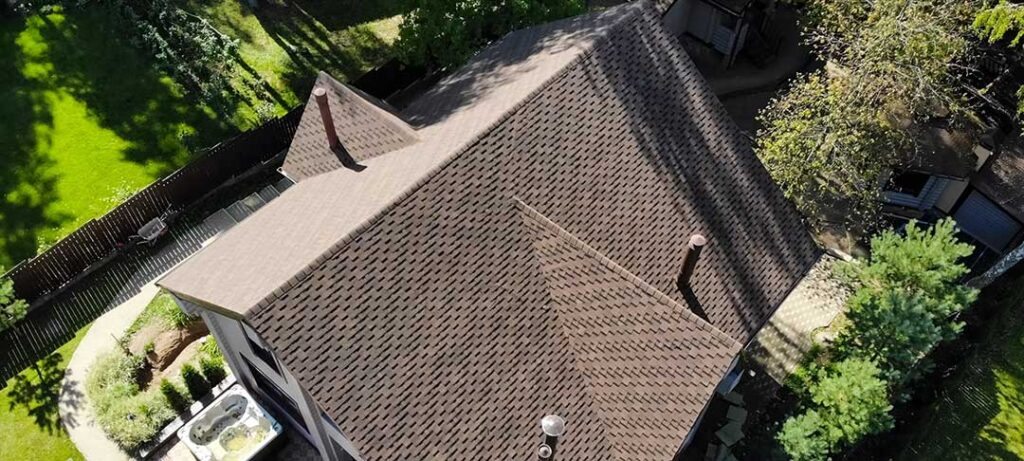
Hurricane season can affect roof systems far beyond the coast. For households in Ithaca, the most likely concerns are strong wind, heavy rain, falling branches, clogged drainage, power outages, and flooding caused by storm remnants. Preparing the roof before a storm is easier and safer than trying to address loose materials or active leaks during severe weather.
Why should Ithaca residents prepare for hurricanes?
Hurricanes and tropical storms can continue producing damaging conditions hundreds of miles inland after making landfall. By the time a storm reaches the area, wind speeds may be lower than at the coast, but intense rainfall, saturated ground, falling trees, and sudden gusts can still threaten homes.
The local housing stock includes older homes, steeply pitched roofs, additions, porches, attached garages, and buildings surrounded by mature trees. These features can create different vulnerabilities:
- Older roofing materials may be brittle or already weakened.
- Porches and low-slope additions may collect leaves and water.
- Tall trees can drop limbs onto shingles, flashing, gutters, or skylights.
- Heavy rain can expose small problems around chimneys, roof penetrations, and valleys.
- Snow, ice, and repeated freeze-thaw cycles may have left damage that is easy to overlook during summer.
Hurricane preparation should therefore focus on both wind resistance and water management.
What should be inspected before hurricane season?
A roof inspection should look for conditions that could become larger problems under wind and heavy rain. From the ground, check for missing, lifted, curled, cracked, or visibly damaged shingles. Look for exposed underlayment, loose flashing, sagging roof sections, and dark areas that may indicate recurring moisture.
Pay particular attention to:
- Shingle edges, ridges, and roof corners
- Flashing around chimneys, vents, skylights, and walls
- Areas where roof sections meet
- Gutters, downspouts, and gutter fasteners
- Fascia boards and soffits
- Roof surfaces above porches, garages, and additions
- Moss or organic buildup that may hold moisture beneath roofing materials
A pair of binoculars can help with a ground-level inspection. Walking on a roof is risky, especially when surfaces are wet, steep, fragile, or difficult to access. If the roof has sagging, major storm damage, exposed decking, or signs of structural movement, it should not be climbed.
How do gutters and downspouts protect the roof?
Clear drainage reduces the chance that heavy rain will back up beneath roofing materials or overflow against exterior walls. Before hurricane season, remove leaves, roof grit, twigs, and other debris from gutters and downspouts.
Confirm that:
- Gutters are firmly attached and not pulling away from the fascia.
- Downspouts are connected and open.
- Water is directed away from the foundation.
- Elbows and underground extensions are not blocked.
- Water does not discharge onto a walkway, basement stairwell, or low area beside the home.
In older houses, gutters may be undersized, poorly pitched, or separated at seams. These issues may not be obvious during ordinary rainfall but can cause overflow during several hours of intense rain.
Do not rely on gutter guards as a complete maintenance solution. Leaves, seeds, roof granules, and fine debris can still collect on or beneath them.
Should trees near the roof be trimmed?
Trees are a major roof concern during inland storms. Saturated soil can reduce root stability, while strong gusts can break dead limbs or branches weakened by disease, age, or previous winter damage.
Inspect trees near the house for:
- Dead or hanging branches
- Split trunks or large cracks
- Branches resting against the roof
- Limbs extending over chimneys, skylights, or utility lines
- Leaning trees or exposed roots
- Decay near the base or major branch unions
Do not attempt to remove large limbs near power lines, roof edges, or elevated locations. Tree work becomes hazardous quickly, particularly before a storm when wind and wet ground are already present.
What roof repairs should be handled before a storm?
Small defects deserve attention before forecasts become urgent. Replacing a missing shingle, securing loose flashing, or sealing a minor roof penetration is generally more practical before heavy rain and high wind arrive.
Common pre-storm repairs include:
- Replacing missing or broken shingles
- Re-fastening loose flashing
- Repairing separated pipe boot or vent flashing
- Securing loose ridge caps
- Replacing damaged gutter hangers
- Repairing deteriorated fascia or soffits
- Sealing failed joints around properly installed roof penetrations
- Addressing leaks that appear around chimneys, walls, or skylights

Temporary patching materials may reduce water entry for a short period, but they do not replace a proper repair. Avoid covering large areas with plastic sheeting unless it can be installed securely and safely. Loose coverings can become airborne debris and may cause additional damage.
How can homeowners prepare the attic?
The attic can reveal problems that are not visible from outside. Look for water stains, damp insulation, mold-like growth, rusted fasteners, daylight through the roof deck, or wet areas around vents and chimneys.
Make sure attic ventilation openings are not blocked by stored belongings or insulation. Proper ventilation does not make a roof hurricane-proof, but blocked airflow can contribute to moisture accumulation and roof deterioration over time.
Store valuables, electronics, documents, and seasonal items away from areas with previous leaks. If a roof leak develops during a storm, moved belongings may be easier to protect than items stored directly beneath a known trouble spot.
What should be done when a storm is approaching?
Once strong weather is expected, roof work should stop. Do not climb onto a wet roof, use ladders in gusty conditions, or attempt emergency repairs during lightning, heavy rain, or high winds.
Before conditions worsen:
- Bring patio furniture, umbrellas, lightweight planters, tools, and decorations indoors.
- Secure or remove loose items from porches, decks, and balconies.
- Close windows and exterior doors.
- Check that attic access panels are properly seated.
- Move vehicles away from trees when practical.
- Photograph roof conditions and interior ceilings for household records.
- Keep flashlights, batteries, tarps, buckets, and towels available for leak control.
- Know how to shut off electricity if water enters near electrical equipment.
A tarp, bucket, or towel can help limit interior damage, but water near electrical wiring, outlets, or light fixtures requires caution. Do not touch wet electrical components.
What should be checked after the storm?
Wait until wind, lightning, and falling-branch hazards have passed. From the ground, look for missing roofing, exposed underlayment, damaged vents, fallen limbs, sagging gutters, and new openings around chimneys or roof edges.
Inside, check ceilings, attic areas, upper walls, and insulation for fresh moisture. A small ceiling stain may reflect an active leak, even if water is not currently dripping.
Do not climb onto a damaged roof or walk beneath hanging branches. If the structure appears unstable, the roof deck is sagging, or electrical systems are wet, leave the area and follow emergency guidance. Roof damage can worsen during later rain, so documenting conditions and placing safe temporary protection over a small opening may be appropriate only when it can be done from a secure location.
For local residents, hurricane preparation is largely an exercise in routine maintenance: keeping drainage open, correcting minor defects, monitoring nearby trees, and knowing the roof’s weak points before severe weather arrives. That preparation also helps with the heavy rain and wind events that can occur outside the formal hurricane season.
