
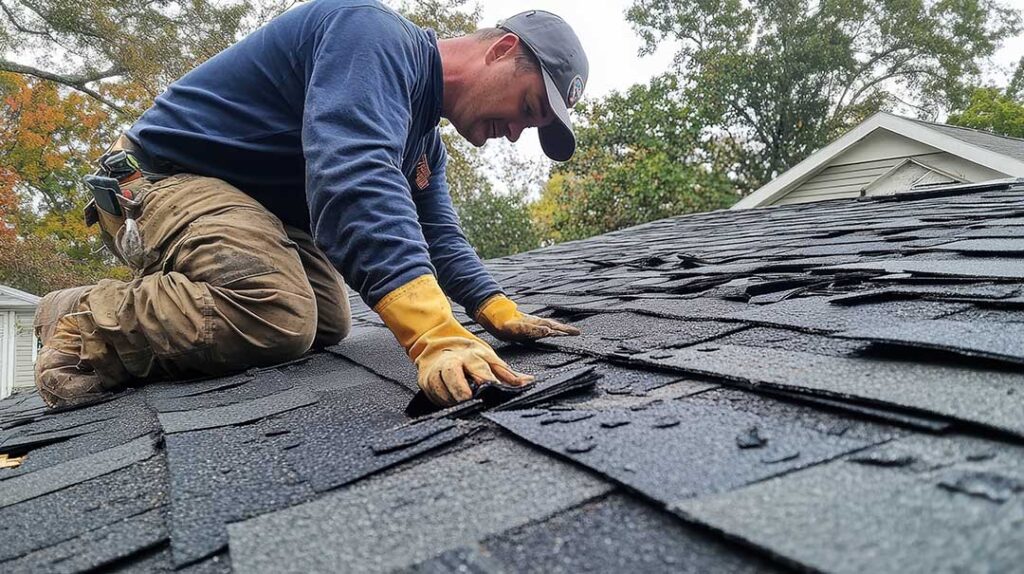
Tree limbs can affect a roof gradually or cause sudden damage during a storm. A branch may scrape roofing materials for years, drop leaves into drainage areas, or break through shingles after accumulating snow and ice. In Ithaca, NY, seasonal thunderstorms, winter snow, freezing temperatures, and mature residential trees can all increase these risks.
Understanding how limb damage develops makes it easier to spot problems early and respond safely after severe weather.
How can tree limbs damage a roof?
Tree limbs damage roofs through impact, friction, moisture retention, and blocked drainage. The most obvious problem is a falling branch, but smaller or less visible effects can also shorten the life of roofing materials.
Common forms of damage include:
- Cracked, torn, or missing shingles
- Punctures in roof coverings or underlayment
- Dented metal flashing around chimneys, vents, and skylights
- Damaged gutters and downspouts
- Broken roof sheathing or rafters
- Scraped protective granules from asphalt shingles
- Water intrusion around penetrations and roof edges
A limb does not need to fall completely to cause trouble. Branches that rest on a roof can shift in the wind, rubbing against shingles and wearing away their protective surface. Repeated movement may expose the underlying mat and create a path for water.
Why are rubbing branches a concern even if the roof is not leaking?
A branch that repeatedly contacts the roof can cause gradual damage that is easy to overlook. Wind-driven movement may loosen shingles, break seals, and remove granules that protect asphalt from ultraviolet light and weather.
The damage may not produce an immediate ceiling stain. Instead, water may enter beneath a shingle and travel along roof decking, insulation, or framing before becoming visible indoors. By the time a stain appears, the affected area may be larger than the original point of contact.
Branches can also scrape flashing and painted metal surfaces. Once protective coatings are worn away, exposed metal may corrode more quickly, particularly during wet and salty winter conditions associated with road treatment.
How do snow and ice increase the risk?
Winter weather adds weight to both trees and roofs. Ithaca receives measurable snowfall during much of the cold season, and wet snow or ice can make branches substantially heavier. A limb that appears stable in dry weather may bend, split, or fail under that added load.
Freezing and thawing can create additional stress. Water enters small cracks in branches, bark, flashing, or roofing components, then expands as it freezes. Repeated cycles may widen existing weaknesses.
Heavy snow can also pull flexible branches lower until they touch the roof. Once contact begins, wind can move the branch across the roof surface. This combination of weight and friction is especially concerning for low-slope roof sections, porch roofs, dormers, and roof areas beneath mature trees.
What roof areas are most vulnerable?
Roof sections located beneath or beside large trees generally face the greatest exposure. Vulnerable areas often include:
- Roof edges under overhanging branches
- Valleys where leaves and twigs collect
- Low-slope additions and porch roofs
- Chimney and skylight flashing
- Gutters attached below tree canopies
- Areas near dormers, roof-wall intersections, and vents
Older homes may have several roof planes, additions, and enclosed porches that create places for debris to collect. A branch that misses the main roof may still strike a gutter, fascia board, window trim, or small attached roof.
The roof’s age and condition also matter. A newer roof with intact shingle seals may tolerate minor debris better than an older roof with brittle shingles, exposed fasteners, or previously weakened decking.
What warning signs should homeowners look for?
After a storm or period of heavy snow, inspect the roof from the ground whenever possible. Do not climb onto a wet, icy, or damaged roof.
Look for:
- Freshly missing or displaced shingles
- Shingle pieces or granules on the ground
- A branch resting on the roof
- Sagging gutters or separated downspouts
- Bent flashing or exposed fasteners
- New ceiling stains or damp attic insulation
- Daylight visible through the attic roof deck
- Cracks, splits, or hanging sections in nearby limbs
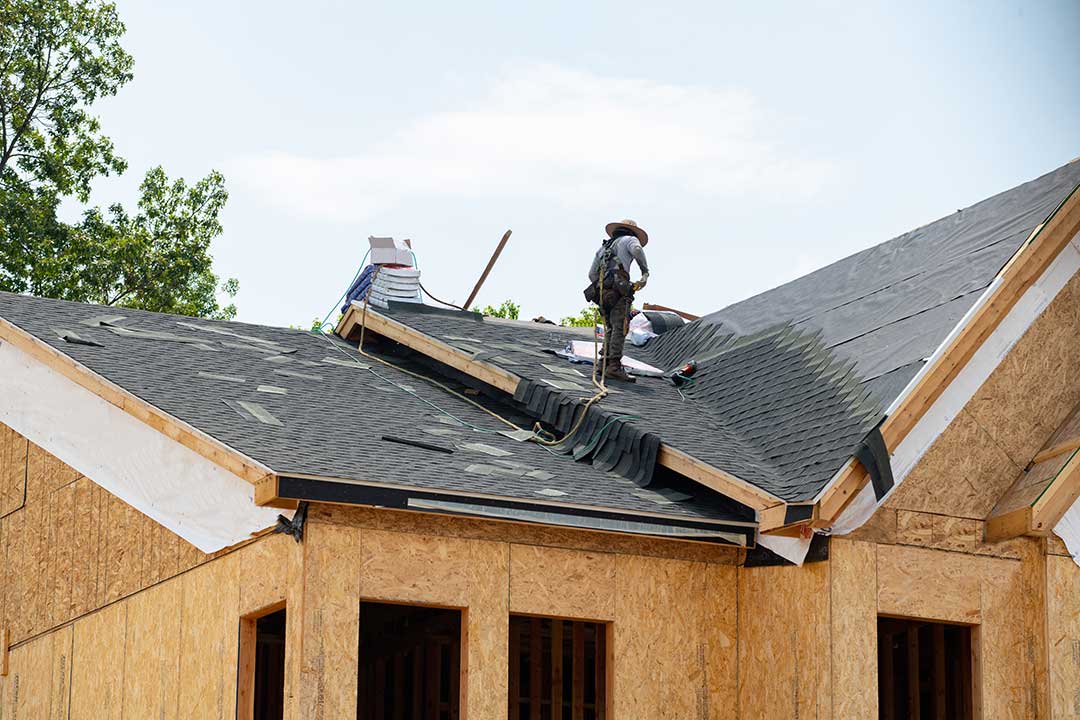
Inside the attic, darkened wood, wet insulation, musty odors, or recent dripping can indicate water entry. A leak may continue even after the weather clears, especially when snow remains on the roof or water is trapped beneath debris.
A small ceiling stain should not automatically be assumed to come from the tree itself. Roof leaks can travel horizontally, and the visible interior mark may be several feet away from the damaged roofing material.
Is it safe to remove a branch from the roof?
Not always. A branch touching electrical wires, resting on a steep roof, or supported by a damaged tree can create a serious hazard. Even a seemingly small limb may be under tension and move unexpectedly when cut or pulled.
After a storm:
- Keep people and pets away from the area beneath damaged limbs.
- Do not climb onto the roof to remove branches.
- Avoid using ladders near unstable trees or overhead lines.
- Do not cut a large suspended or partially attached limb without proper training.
- Treat any downed wire as energized and stay well away from it.
Safety takes priority over immediate cleanup. A damaged tree may shift after the first branch is removed, and roof surfaces may be slippery even when they appear dry.
What should happen after a limb strikes the roof?
First, document the condition from safe locations. Photos of the branch, roof surface, gutters, attic, and interior damage can help establish what happened and when.
If water is entering the home, place containers beneath active drips and move belongings away from the affected area. Temporary measures such as a properly placed tarp may help limit further water entry, but roof access can be dangerous during wet or icy conditions.
Check the homeowner’s insurance policy for storm-related tree and roof damage. Coverage can depend on the cause of the loss, the type of damage, policy exclusions, and whether the tree affected a covered structure. Keep damaged materials and debris available for inspection unless the insurer gives different instructions. Emergency actions needed to protect health and property should be documented with photographs and receipts.
How can residents reduce future roof damage?
Prevention is most effective when trees and roofing are considered together. During routine outdoor inspections, look for dead limbs, weak branch unions, visible decay, leaning trees, and branches that already touch the roof.
Useful steps include:
- Keep branches from rubbing directly against shingles.
- Clear leaves and small twigs from gutters and roof valleys.
- Watch trees closely after heavy snow, ice, or wind.
- Inspect roof penetrations and flashing after a major limb impact.
- Trim vegetation before branches become entangled with utility lines.
- Avoid topping trees or making large cuts without understanding proper pruning methods.
Large, hazardous, or storm-damaged trees should be evaluated by a qualified tree-care specialist, particularly when work involves climbing, power equipment, steep terrain, or electrical hazards. Roofing and tree work are separate safety concerns, and an apparently minor problem can involve both structural damage and unstable vegetation.
For households in Ithaca, seasonal inspection is especially useful in late fall, after winter storms, and following strong summer thunderstorms. Early attention to rubbing limbs, blocked drainage, and damaged shingles can help prevent a single branch from becoming a larger roof and interior moisture problem.
