
Why seasonal roof maintenance matters in Ithaca, NY
A roof in Ithaca faces repeated changes in temperature, moisture, wind, snow, and sunlight. Seasonal checks help identify small issues before they become leaks, structural damage, or interior repairs.
The area typically experiences winter snow, freeze-thaw cycles, wet springs, humid summers, and windy autumn weather. Those conditions can loosen roofing materials, clog drainage paths, damage flashing, and expose weak areas around chimneys, vents, skylights, and roof edges.
A practical maintenance routine does not require climbing onto the roof every few months. Many useful inspections can be completed from the ground, attic, or upper windows. Roof access should be avoided when surfaces are wet, icy, steep, or unstable.
What should be checked in early spring?
Spring is the first opportunity to look for damage caused by snow, ice, wind, and repeated freezing and thawing. Start with a visual inspection from the ground and then examine the attic and upper floors for signs of moisture.
Look for:
- Missing, cracked, curled, or lifted shingles
- Loose metal flashing around chimneys, vents, and wall intersections
- Sagging gutters or downspouts
- Granules collecting near downspout outlets
- Water stains, damp insulation, musty odors, or peeling paint indoors
- Small pieces of roofing material in the yard
- Daylight visible through the attic roof deck
Gutters should be cleared of leaves, roof granules, twigs, and winter debris. Confirm that downspouts discharge water away from the foundation and that extensions have not shifted during snow removal or freezing weather.
Spring is also a useful time to inspect roof edges. Ice dams can pull on gutters and allow water beneath roofing materials. Damage may not appear indoors until weeks after the snow has disappeared.
How can a roof be prepared for summer?
Summer maintenance focuses on heat, heavy rain, humidity, and storm-related damage. Before the season becomes active, check whether tree branches are touching or hanging over the roof. Branches can scrape shingles, drop debris into gutters, and provide a path for animals to reach roof openings.
After a strong thunderstorm, inspect the property for:
- Shingles scattered on the ground
- Exposed underlayment or roof decking
- Bent or detached flashing
- Dented metal vents or gutters
- New leaks around attic penetrations
- Water pooling near the foundation
Do not assume a roof is undamaged because there is no ceiling stain. Moisture can remain inside insulation or travel along rafters before becoming visible.
Summer is also a good time to inspect attic ventilation. Excessive heat and moisture in the attic can contribute to premature aging of roofing materials, mold growth, and condensation. Warning signs include rusty nails, damp insulation, stained wood, peeling roof-deck paint, or unusually hot attic air.
Ventilation should not be blocked by insulation. However, adding vents without considering the existing airflow pattern can create problems rather than solve them. Any changes should be planned around the roof design, insulation, and air-sealing conditions.
What roof tasks belong on an early fall checklist?
Early fall is the main preparation period before snow and ice return. Clean the gutters and downspouts before leaves become wet, compacted, and difficult to remove. Check that gutters slope toward their outlets and that seams, end caps, and fasteners remain secure.
Inspect the roof for:
- Aging or brittle shingles
- Open seams or exposed fasteners
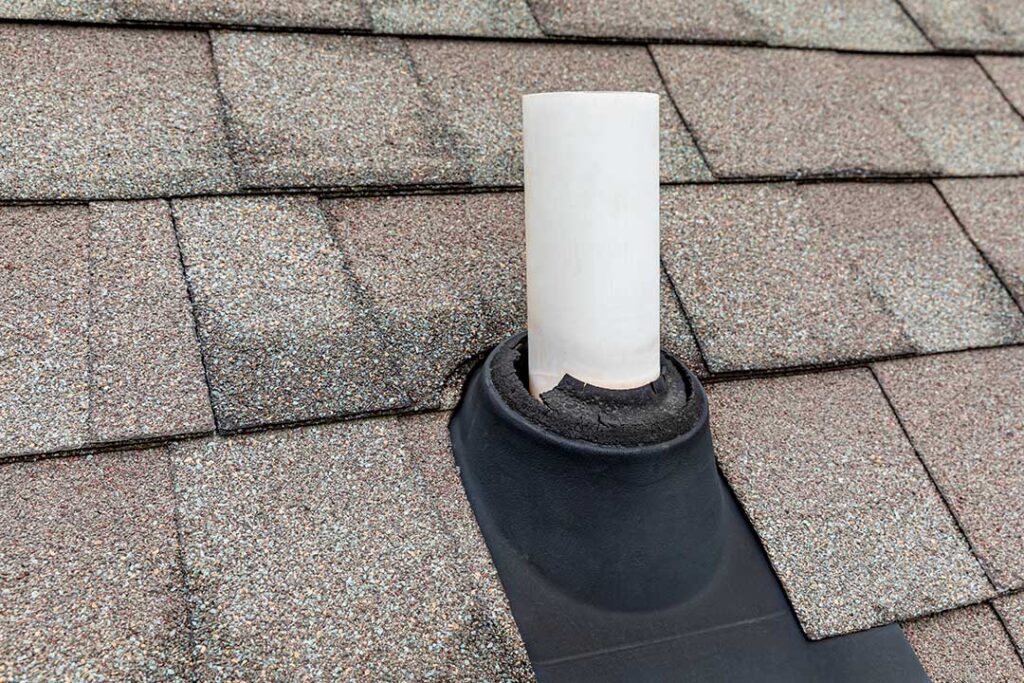
- Damaged pipe collars
- Cracked chimney mortar or loose chimney flashing
- Moss or heavy organic buildup
- Areas where water appears to collect
- Failed sealant around roof penetrations
Moss should not be scraped aggressively because that can remove protective roofing granules or damage shingles. The underlying cause may include persistent shade, poor drainage, or trapped moisture.
Trim branches that could fall during a windstorm or become weighed down by wet snow. Keep ladders, tools, and stored materials away from areas where falling snow or ice could strike people, vehicles, or utility equipment.
How should a roof be monitored during winter?
Winter maintenance is mostly about observation, drainage, and safe response to unusual conditions. After heavy snowfall, look for roof edges that carry unusually deep snow, large ice formations, or areas where snow has slid and accumulated against lower roofs or additions.
Ice dams form when melting water refreezes near colder roof edges. They are more likely when attic heat escapes into the roof area, but they can also be influenced by roof shape, insulation, ventilation, weather patterns, and snow depth.
Possible signs include:
- Thick ice along eaves
- Icicles accompanied by water staining
- Dampness around upper-floor windows or ceilings
- Dripping from soffits
- Frozen or overflowing gutters
- Snow melting in isolated roof sections
Do not chop ice with a hammer, shovel, or sharp tool. The impact can damage shingles, flashing, gutters, and the roof deck. Avoid climbing onto an icy roof. Roof rakes designed for ground-level use can help remove limited snow from accessible low-slope areas, but pulling snow unevenly can damage roofing or create hazardous falling snow.
Large accumulations, visible roof sagging, cracking sounds, damaged structural members, or water entering the living space require prompt attention because excessive snow and ice loads can affect the building structure.
Which roof problems require attention after any season?
Some warning signs should not wait for the next seasonal inspection. A leak that appears during rain, melting snow, or wind-driven weather should be treated as an active problem even if the ceiling stain is small.
Pay attention to:
- Repeated leaks in the same area
- Stains that grow or darken
- Shingles with exposed fiberglass mat
- Missing flashing or visible gaps
- Gutters pulling away from the fascia
- Rotten wood around roof edges
- Persistent attic condensation
- Sagging roof lines
- Water backing up behind gutters
A single damp spot may reflect a problem several feet away because water can travel along rafters, decking, insulation, or framing. Finding the exact entry point may require checking both the roof exterior and the attic interior.
How often should gutters and roof drainage be checked?
For many homes, gutters deserve attention at least twice a year: once in spring and again in fall. Additional checks may be needed after major storms or when trees shed heavily.
The most useful questions are whether water flows freely, whether the gutter remains attached, and whether discharge is directed far enough from the foundation. A clean gutter that empties beside the basement wall can still contribute to moisture problems.
Downspouts should not discharge onto walkways where winter water can freeze into hazardous ice. They should also be kept away from areas where runoff could erode soil or collect against the foundation.
What is the safest way to inspect a roof?
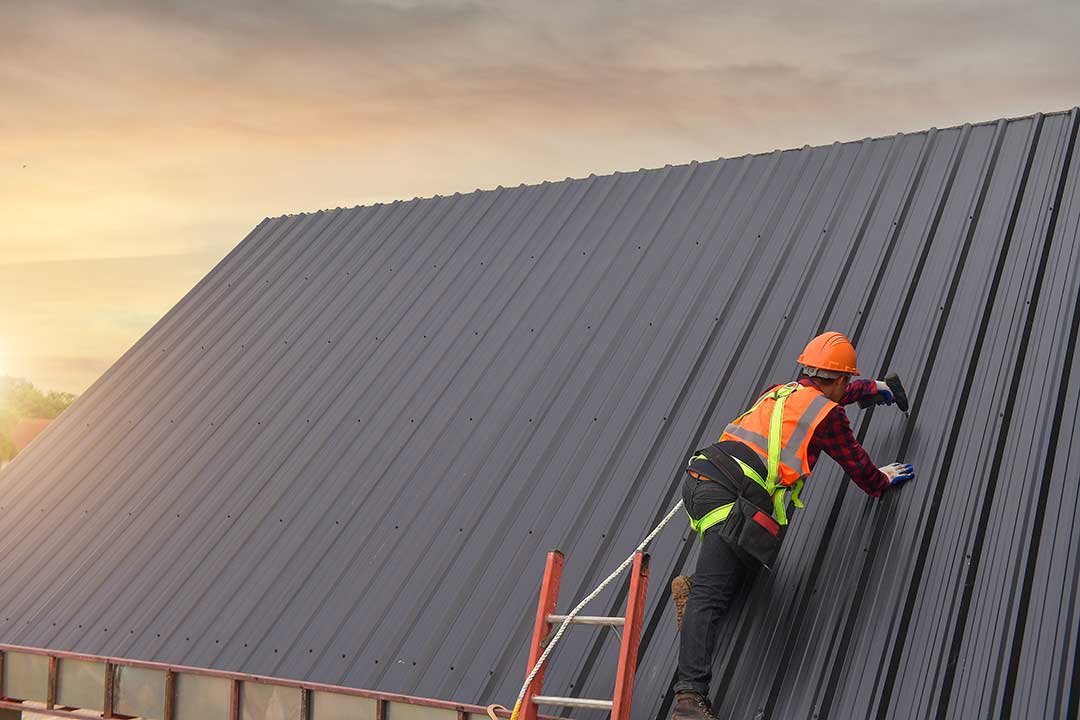
Ground-level inspection is usually the safest starting point. Binoculars can help reveal missing shingles, loose flashing, damaged vents, and sagging areas without requiring roof access.
From inside the attic, inspect during daylight and after rain if conditions are safe. Look for stains, damp insulation, rusted fasteners, mold-like growth, and wet wood. Do not step between ceiling joists unless a solid walking surface is present.
Professional evaluation is justified when the roof is steep, high, icy, structurally unstable, or visibly damaged; when a leak is active; or when snow and ice may be placing unusual weight on the structure. Safety matters more than completing a checklist on a specific date.
