
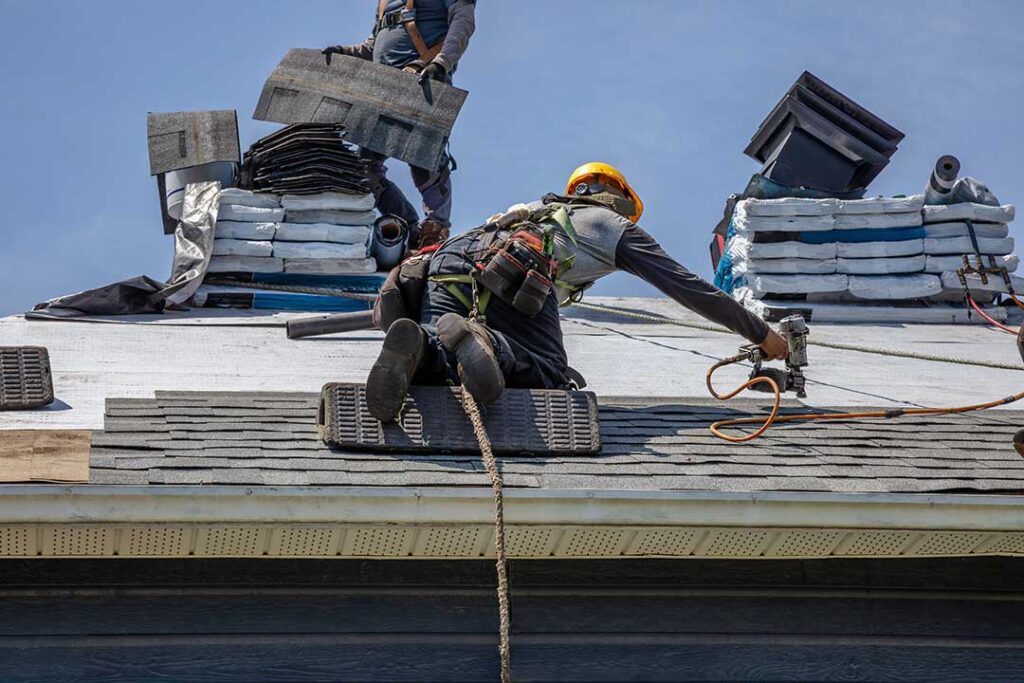
A typical residential roof lasts about 15 to 30 years, but the actual service life depends on the roofing material, installation quality, ventilation, drainage, weather exposure, and maintenance history. In Ithaca, NY, seasonal snow, ice, wind, freeze-thaw cycles, moisture, and falling branches can all affect how quickly a roof wears out.
Age provides a useful starting point, but visible condition is usually more important than the calendar alone.
How long do common roofing materials last?
The expected life of a roof varies significantly by material. Typical ranges include:
- Three-tab asphalt shingles: about 15 to 20 years
- Architectural asphalt shingles: about 20 to 30 years
- Wood shingles or shakes: about 20 to 30 years with consistent maintenance
- Standing-seam metal roofing: about 40 to 70 years
- Slate roofing: often 50 to 100 years or more
- Synthetic slate or composite roofing: commonly 30 to 50 years, depending on the product
- Low-slope membrane roofing: often 15 to 30 years, depending on the membrane and installation
These are general service-life ranges, not guarantees. A well-installed asphalt shingle roof with good attic ventilation and limited exposure may last longer than expected. A roof exposed to repeated ice buildup, poor drainage, or improper installation may show serious problems much sooner.
What is the typical lifespan of an asphalt shingle roof?
For many homes, asphalt shingles are the most common roofing material. A typical asphalt shingle roof lasts approximately 20 to 30 years, while lower-cost three-tab shingles may reach the end of their useful life closer to 15 or 20 years.
The age of the roof is only one part of the assessment. Two roofs installed in the same year can have very different conditions because of differences in:
- Roof slope and orientation
- Sun and wind exposure
- Attic ventilation
- Underlayment and flashing details
- Tree cover
- Moss or algae growth
- Ice and snow accumulation
- Previous repairs or storm damage
A roof that is 22 years old may still be functioning adequately, while a 12-year-old roof may already have widespread shingle loss or moisture damage.
How does Ithaca weather affect roof life?
The local climate places repeated stress on roofing materials. Winters bring snow, freezing temperatures, ice, and occasional wind. During shoulder seasons, temperatures can move above and below freezing repeatedly. Those freeze-thaw cycles can enlarge small cracks, loosen flashing, and create movement around roof penetrations.
Snow itself is not automatically damaging, but heavy or uneven accumulation can increase structural loads. Snow that melts and refreezes near eaves may contribute to ice dams, especially when attic insulation or ventilation allows heat to escape into the roof assembly.
Summer conditions also matter. Ultraviolet exposure and heat gradually dry and weaken asphalt shingles. Storm winds can lift shingle edges, while nearby trees may drop branches or rub against the roof surface.
Roofs on shaded, damp sections of a property may age differently from roofs that receive direct sunlight. Moss does not simply “eat” shingles, but persistent moss growth can hold moisture against the roof and make it harder for water to drain properly.
What are the first signs that a roof is aging?
The most useful warning signs are changes in the roof surface, drainage system, attic, and interior ceilings. Look for:
- Shingles that are curling, cracking, blistering, or losing their protective granules
- Bare or unusually dark areas where granules have worn away
- Missing, loose, or lifted shingles after wind
- Sagging roof lines or visibly uneven sections
- Rusted, separated, or damaged flashing around chimneys, walls, vents, and skylights
- Water stains on ceilings or upper walls
- Damp insulation or a musty smell in the attic
- Granules collecting in gutters or at downspout outlets
- Persistent moss or organic growth
- Repeated leaks in the same area
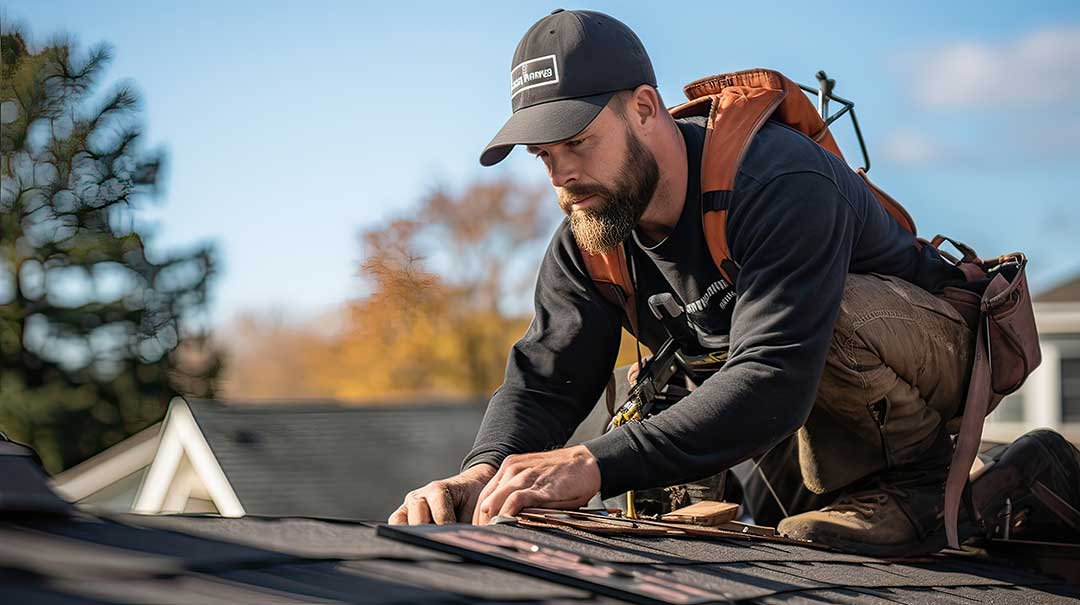
A small leak does not always mean the entire roof needs replacement. Water may enter at a flashing joint, vent, valley, or damaged shingle and travel before appearing indoors. Finding the visible stain does not necessarily identify the source.
Can roof maintenance make it last longer?
Routine observation and timely maintenance can extend useful roof life, although maintenance cannot reverse widespread material deterioration. Keeping gutters and downspouts clear helps water leave the roof instead of backing up near the eaves. Downspouts should discharge water far enough away from the foundation to prevent repeated splashback and soil saturation.
Tree limbs that overhang the roof can scrape shingles and drop debris into valleys and gutters. Removing hazardous or rubbing branches can reduce both everyday wear and storm-related damage.
It is also useful to inspect the attic when conditions are safe. Good attic ventilation helps release heat and moisture, while adequate insulation reduces the chance that warm indoor air will melt snow unevenly across the roof. Bathroom and kitchen exhaust should vent outdoors rather than into the attic.
Roof surfaces can be slippery, especially when wet, frosted, or covered with moss. Walking on a roof can damage shingles and create a fall hazard, so ground-level inspection or a qualified assessment is safer when close examination is needed.
Does a roof need replacement as soon as it reaches its expected age?
No. A roof’s expected lifespan is not an automatic replacement deadline. Age should prompt closer evaluation, particularly once an asphalt shingle roof reaches the 15- to 20-year range, but condition determines whether continued service is reasonable.
A roof may be a candidate for continued use when damage is limited, leaks are isolated, shingles remain flexible and well-adhered, and the underlying decking and flashing are in sound condition. Repairs may be less practical when problems are widespread, shingles are brittle, multiple roof planes are failing, or moisture has affected the sheathing and attic structure.
The decision also depends on whether the existing roof has already been covered with another layer of shingles. Additional layers can limit future repair options, add weight, and make it harder to inspect the underlying roof assembly.
When should a homeowner inspect a roof?
A practical inspection schedule includes a ground-level check in spring and fall, plus an additional look after significant wind or heavy snowfall. Spring inspections can reveal damage from winter weather, while fall inspections help identify loose shingles, blocked drainage, or deteriorated flashing before the coldest conditions arrive.
Interior checks are worthwhile as well. Examine attic areas, upper ceilings, and walls near chimneys or roof intersections for stains, dampness, peeling paint, or unusual odors.
Immediate attention is warranted when there is active leaking, a sagging roof area, daylight visible through the roof deck, substantial shingle loss, or a large branch impact. These conditions can involve both water intrusion and structural safety concerns.
How should roof age be verified?
Roof age can sometimes be confirmed through closing documents, permits, insurance records, receipts, or prior maintenance records. If records are unavailable, the approximate age may be estimated from shingle appearance, product style, flashing condition, and the history of previous repairs.
That estimate may be uncertain, especially if only one roof section was replaced or if the property has multiple additions with different roof ages. A roof assessment should distinguish between the covering, flashing, ventilation, decking, and structural components rather than assigning one age to the entire system.
For local homes, the most useful question is not simply “How old is the roof?” It is: How much reliable service remains, and what conditions could shorten that remaining life?
