
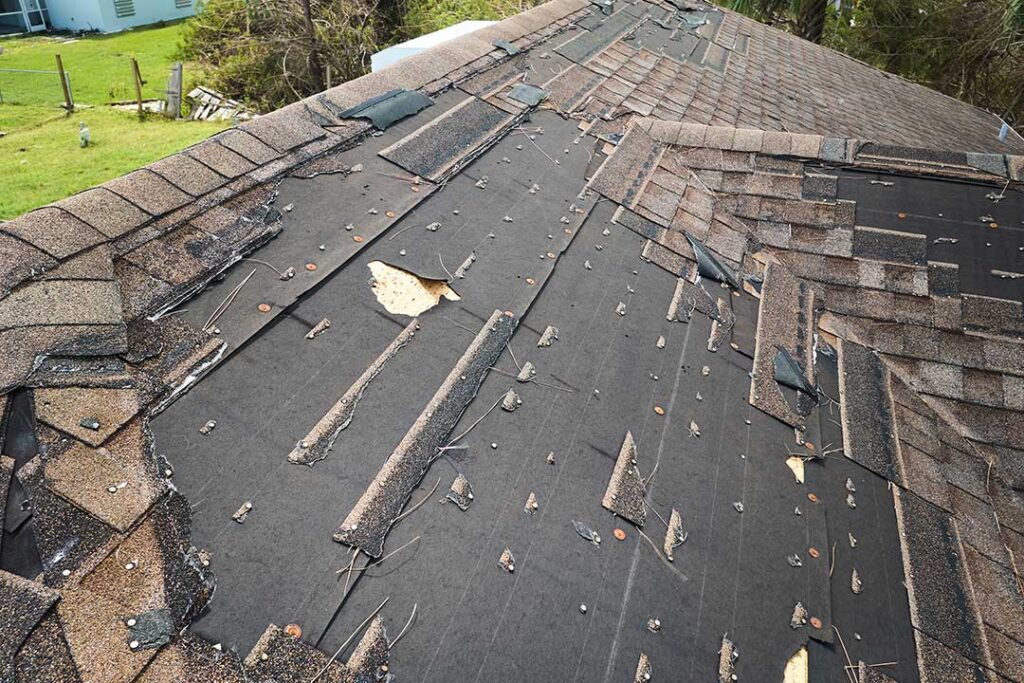
What roof growth usually means
Dark streaks, green patches, and fuzzy-looking spots on roofing can be caused by several different organisms or by trapped moisture. A roof that appears dirty does not automatically have a mold problem, but visible growth should prompt a closer inspection.
In Ithaca, NY, repeated rain, humid summer weather, leaf debris, freeze-thaw cycles, and winter snow can keep roof surfaces damp for long periods. Shaded roof sections and areas beneath overhanging trees are especially likely to develop discoloration or organic growth.
The first step is identifying what is actually present:
- Algae often appears as blue-green, gray, or black streaks running down shingles.
- Moss forms raised, soft green clumps or mats, especially along shaded roof edges.
- Mildew usually appears as a thin, powdery, or slightly fuzzy surface growth in white, gray, or pale colors.
- Mold may appear in many colors and textures, including black, green, brown, or gray patches. On a roof, it is often associated with persistent moisture, decaying organic material, or a leak.
- Dirt and asphalt staining may look similar to biological growth but usually has a flatter, more uniform appearance.
Color alone cannot reliably identify mold. Texture, location, moisture conditions, and whether the material is raised or spreading provide more useful clues.
How can mold or mildew be recognized from the ground?
A ground-level inspection can reveal warning signs, but it cannot confirm the exact organism. Look for changes in color, shape, and distribution across the roof.
Dark streaks that follow the slope of the shingles are commonly associated with algae or runoff carrying organic residue. These marks may be broad and smooth rather than fuzzy. They often begin on the less sunny side of the roof and gradually spread.
Moss is easier to recognize because it has visible depth. It may grow along shingle edges, around dormers, near chimneys, or in valleys where leaves and moisture collect. Heavy moss can lift shingle edges and interfere with drainage.
Mildew may look like a dusty coating or a thin film. It is more likely to appear where moisture remains after rain, including around roof penetrations, under debris, or near poorly ventilated roof spaces.
Possible mold-related warning signs include:
- Irregular patches that appear to expand over time
- Fuzzy or filament-like texture
- Growth concentrated around a known leak
- Staining that extends onto fascia, soffits, or exterior walls
- A musty odor in the attic or upper levels of the home
- Damp insulation, roof sheathing, or water marks beneath the roof
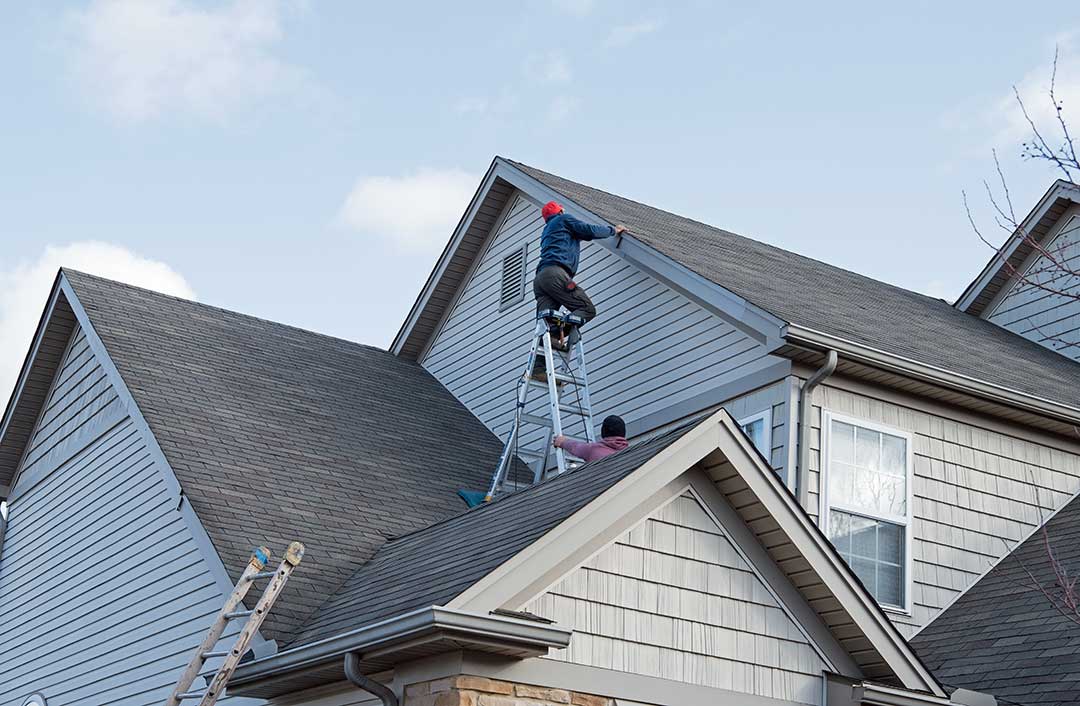
Binoculars can help with a visual check without requiring anyone to climb onto the roof. A roof should not be walked on when it is wet, icy, snow-covered, steep, or visibly deteriorated.
Is black staining on shingles always mold?
No. Black staining on asphalt shingles is often caused by algae rather than mold. The growth can produce long, vertical streaks that become more noticeable after wet weather.
Black coloration does not identify a particular species or prove that the material is hazardous. Mold can be many colors, and algae can also appear nearly black. Trying to identify a growth solely by color is a common mistake.
The more useful question is whether moisture is being retained or entering the roofing system. Even if the stain is only algae, the underlying conditions may still include poor sunlight exposure, leaf accumulation, clogged drainage paths, or inadequate ventilation.
Where should homeowners look for hidden moisture?
Visible roof growth may be only a surface symptom. Moisture can also be concealed beneath shingles, inside roof sheathing, or in the attic.
Inspect the attic from a safe location using a flashlight. Look for:
- Brown or yellow water stains on wood
- Darkened or softened sheathing
- Damp insulation
- Rust around nails or metal fasteners
- Peeling or damaged surfaces
- Musty odors
- Daylight visible through roof gaps, except where intentional ventilation is present
Pay particular attention after heavy rain, wind-driven precipitation, or snow and ice events. Leaks are not always located directly above an interior stain because water can travel along rafters, roof decking, insulation, or framing before becoming visible.
Condensation can also create a moisture problem without an obvious hole in the roof. Warm, moist household air may reach a cold roof surface when attic insulation, air sealing, or ventilation is inadequate. This can be more noticeable during cold weather and after extended periods of indoor heating.
How is mildew different from mold?
Mildew is generally used to describe a surface-level fungal growth, while mold is a broader term for fungi that grow on many materials. In everyday home inspections, the distinction is less important than the moisture source.
A thin surface coating may be easier to remove than growth that has penetrated porous wood, insulation, or roofing materials. However, a small visible patch can still indicate repeated dampness.
If growth is present on attic wood or insulation, cleaning the visible area without correcting the moisture source may allow it to return. Roof leaks, blocked drainage, condensation, and trapped organic debris all need to be considered.
What roof conditions encourage growth in Ithaca?
Local seasonal conditions can create several overlapping moisture patterns. Moderate to heavy precipitation occurs throughout the year, while snow and freezing temperatures affect roofs during winter. Spring thaw can expose leaves and debris that accumulated beneath snow, and summer humidity can slow drying in shaded areas.
Growth is more likely where:
- Tree branches shade the roof for much of the day
- Leaves collect in valleys or behind roof features
- Gutters or downspouts do not drain properly
- Shingles remain wet after surrounding areas have dried
- Moss or debris holds moisture against the roofing surface
- Attic ventilation is poor
- Roof penetrations or flashing have deteriorated
- Snow and ice repeatedly melt and refreeze along roof edges
A roof that looks clean after a dry spell may still have an underlying moisture issue. Conditions should be evaluated after different types of weather rather than on one clear day.
Can homeowners safely clean suspected mold or mildew?
Light surface staining may sometimes be addressed with appropriate roof-safe cleaning methods, but climbing onto a roof creates fall risks and can damage shingles. Pressure washing is particularly risky because it can remove protective granules, force water beneath shingles, and shorten roof life.
Avoid mixing cleaning chemicals, using household products without checking their compatibility, or allowing runoff to damage plants and exterior surfaces. Protective gloves, eye protection, and respiratory protection may be appropriate when handling visible fungal growth or contaminated debris.
Large areas of growth, extensive attic contamination, damaged roofing, steep slopes, electrical hazards, or suspected structural decay require added caution. People with asthma, severe allergies, or other respiratory sensitivities should avoid disturbing moldy material.
When does roof growth indicate a larger problem?
Growth deserves more attention when it is accompanied by water stains, soft wood, damaged shingles, persistent odors, or recurring indoor dampness. These signs suggest that the issue may involve more than surface discoloration.
Testing is usually not necessary to determine whether visible growth needs attention. Finding and correcting the moisture source is generally more useful than identifying the exact type by color or a small surface sample.
A practical inspection should connect the exterior and interior evidence: where the growth is located, how water drains from that area, whether the attic is damp, and whether the same condition returns after cleaning. That pattern often reveals whether the problem is algae on the shingles, moss holding moisture, mildew on a surface, or a roof-related leak supporting mold growth.
