
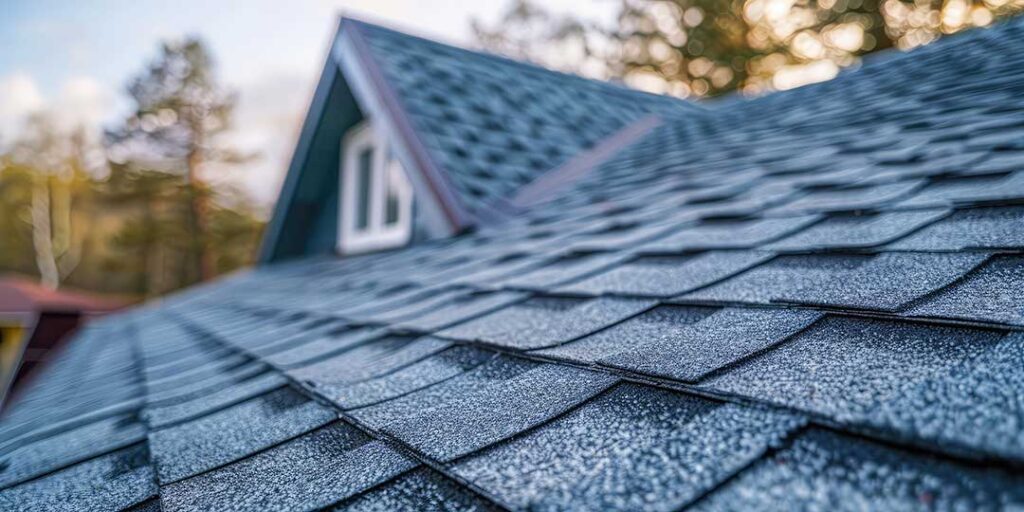
Cleaning a roof safely starts with recognizing that the roof itself may be the most dangerous part of the job. Many homeowners can remove loose debris from the ground or clean accessible gutters, but walking on a sloped roof introduces fall, surface-damage, and chemical hazards.
In Ithaca, NY, roofs commonly face a mix of snow, freeze-thaw cycles, leaf buildup, shade, and damp conditions. Those conditions can encourage moss, algae, and organic debris, while also making shingles slippery and vulnerable to damage.
Can a homeowner safely clean a roof?
Usually, the safest approach is to clean from the ground whenever possible. A roof should not be walked on if it is wet, icy, snow-covered, steep, visibly damaged, or difficult to access.
A homeowner may be able to handle limited cleaning when:
- The work can be completed from the ground or from a stable ladder position
- The roof surface is dry and weather conditions are calm
- There are no fragile skylights, loose shingles, exposed fasteners, or damaged flashing nearby
- The debris is light and can be removed without scraping or aggressive brushing
Roof work several feet above a lower level requires appropriate fall protection in professional construction settings. A standard extension ladder is not a substitute for a roof safety system, and tying a rope around the chimney or a plumbing vent does not create a reliable anchor.
If cleaning requires stepping onto the roof, using specialized fall protection, or working near a steep edge, the task may be unsafe for an untrained homeowner.
What should be checked before cleaning?
Inspect the roof from the ground before gathering equipment. Look for conditions that indicate cleaning could cause more harm than good.
Check for:
- Missing, lifted, cracked, or curling shingles
- Sagging roof sections
- Heavy moss mats that may be holding shingles upward
- Loose gutter sections or downspouts
- Damaged chimney flashing
- Skylights or roof windows
- Power lines near the ladder or work area
- Large branches touching the roof
- Ice dams or packed snow along the eaves
Do not climb onto a roof to investigate suspected damage. Binoculars or a camera with a zoom lens can provide a safer first look. If water is entering the home, ceiling stains are expanding, or structural damage is visible, cleaning should not be treated as the primary problem.
Weather also matters. Choose a dry, calm day with no rain, frost, or strong wind in the forecast. In the local climate, a roof that appears dry in the morning may still have shaded areas holding frost or moisture.
How can roof debris be removed without damaging shingles?
Loose leaves, pine needles, and small twigs can often be removed from the ground with a soft roof rake designed for that purpose. Use a tool with a non-abrasive head and work downward, following the slope of the roof.
Avoid pulling debris uphill. That motion can lift the lower edges of shingles and disturb the protective granules embedded in the surface.
Do not use:
- A garden rake
- A stiff-bristle brush
- A shovel
- A metal scraper
- A pressure washer
- Forceful sweeping across shingle edges
Pressure washing can strip granules, drive water beneath shingles, damage flashing, and shorten roof life. Even a low-pressure washer can harm older or already-weathered materials.
If debris is concentrated in valleys, behind chimneys, or around roof penetrations, it may be better to remove only what can be reached safely from the ground. Those areas are also where leaves and moisture often collect long enough to create drainage problems.
What is the safest way to treat moss and algae?
Moss should not simply be ripped or scraped from shingles. Its attachment can pull away surface granules and loosen roofing materials.
A roof-safe treatment may be applied according to the product label, but the product must be compatible with the specific roofing material. Asphalt shingles, painted metal, wood shakes, slate, and synthetic roofing can respond differently to cleaners.
General precautions include:
- Protect nearby plants with temporary coverings that allow airflow
- Keep runoff away from ponds, gardens, and storm drains when possible
- Wear gloves, eye protection, and clothing that covers exposed skin
- Follow the label’s dilution, contact-time, and rinsing instructions
- Keep children and pets away from the work area
- Never mix bleach with ammonia, acids, or other cleaning products
Routine use of strong chlorine bleach is not automatically safer or more effective. It can damage vegetation, corrode metal components, and create hazardous fumes if mixed with another cleaner. Killing visible growth also does not repair moisture problems or remove all staining.
Moss that has formed a thick layer may be hiding damaged shingles. In that situation, aggressive cleaning can expose a larger problem.

Should a ladder be used for roof cleaning?
A ladder should be used only on firm, level ground and for tasks that can be completed without leaning far to either side. Keep the area around the ladder clear of snow, ice, wet leaves, and loose soil.
Before use:
- Inspect the rails, feet, steps, and locking mechanisms
- Place the ladder on a stable surface
- Maintain three points of contact while climbing
- Keep both hands free by using a tool belt or hoisting equipment
- Do not stand on the top step or top cap of a stepladder
- Do not move or extend a ladder while standing on it
- Keep ladders well away from electrical lines
- Have another adult secure the base when conditions warrant it
A ladder positioned against a gutter is not automatically stable. Gutters are not designed to carry the same forces as a properly supported ladder setup, and their fasteners can pull loose.
How should gutters and downspouts be handled?
Roof cleaning and gutter cleaning are related but separate tasks. Leaves washed from the roof can clog gutters, while blocked downspouts can cause water to back up beneath roof edges.
Clean gutters from a stable ladder position or from the ground with an extension tool. Do not reach sideways beyond a safe balance point. Scoop out compacted organic material by hand while wearing gloves, then flush the system with a controlled stream of water.
Confirm that downspouts discharge water away from the foundation without creating erosion or icy walkways. In winter, poor drainage can contribute to ice buildup near entrances and foundation walls.
What should never be cleaned from a roof by an untrained homeowner?
Some conditions justify stopping rather than continuing:
- Ice dams or frozen roof surfaces
- Snow removal on a steep or elevated roof
- Roofs with a sharp slope or multiple levels
- Fragile slate, clay tile, or older wood roofing
- Areas near overhead electrical wiring
- Large fallen branches
- Severe moss growth covering a broad section
- Roofs with suspected structural weakness
- Work requiring a harness, roof anchors, or specialized access equipment
Fall protection equipment must be properly selected, attached to an appropriate anchor, and used correctly. An improvised harness or unsecured rope can create a false sense of safety.
For most homes, routine prevention is safer than repeated climbing. Trim branches that overhang the roof, keep gutters clear, improve shaded airflow where practical, and inspect from the ground after major storms. Removing small amounts of debris before it becomes a wet, compacted layer can reduce the need for risky cleaning later.
How often should a roof be cleaned?
There is no universal schedule. A roof should be checked at least seasonally and after major wind, snow, or ice events, with closer observation if the home is surrounded by mature trees or shaded for much of the day.
Cleaning is needed when debris blocks drainage, moss is spreading, or organic material remains wet against the roofing surface. Cosmetic discoloration alone does not always require treatment. Stains may be harmless, while a small area of lifted shingles or blocked drainage may deserve more attention.
The safest roof-cleaning plan is the least aggressive one: inspect from the ground, remove loose debris without scraping, avoid pressure washing, use labeled treatments carefully, and stop whenever the work requires walking on an unsafe surface.
