
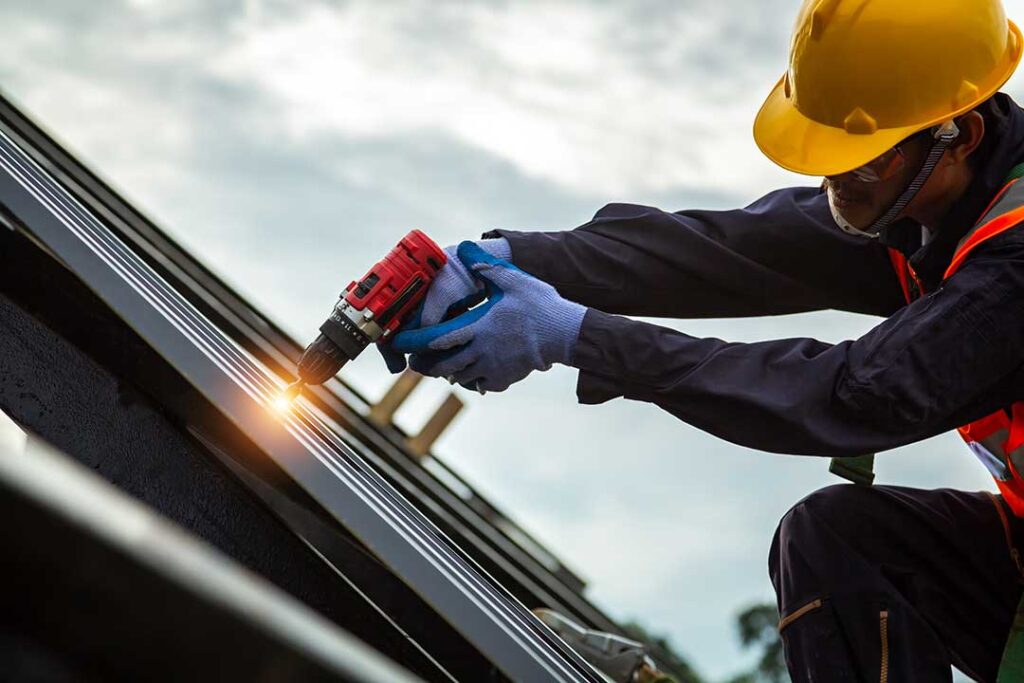
What are soffits and fascia?
Soffits and fascia are two roof-edge components that help protect a house from water, pests, moisture, and weather-related wear. The soffit is the finished surface beneath a roof overhang, while the fascia is the vertical board or trim along the roof edge where gutters are often attached.
Although both parts are easy to overlook, they are part of the roof’s drainage and ventilation system. Damage at the roof edge can allow water into the attic, wall cavities, or eaves before a leak becomes visible indoors.
In Ithaca, NY, roof edges experience repeated exposure to snow, freezing temperatures, rain, wind, ice buildup, and summer humidity. These changing conditions make the condition of soffits and fascia especially relevant to long-term home maintenance.
What does a soffit do?
A soffit closes the underside of the roof overhang and helps direct air into the attic when vented panels are used. This incoming air supports airflow through the attic and can reduce moisture accumulation beneath the roof.
A properly functioning soffit may help:
- Provide intake ventilation for a vented attic
- Keep birds, insects, and small animals out of the roof cavity
- Shield rafters and roof framing from direct weather exposure
- Complete the air and weather barrier at the roof edge
- Give the roof overhang a finished appearance
Soffit panels may be made from aluminum, vinyl, wood, or other exterior materials. The material matters less than proper installation, secure fastening, drainage, and compatibility with the attic ventilation design.
A soffit vent is not automatically useful simply because it has perforations. Air must be able to travel from the soffit into the attic, and insulation should not block the ventilation channel at the eaves. In some homes, insulation has been pushed into the roof edge or added without maintaining clear airflow. That can reduce the effectiveness of the entire ventilation system.
What does fascia do?
Fascia is the vertical trim along the lower edge of the roof. It commonly covers the ends of rafters or trusses and provides a sturdy surface for gutter systems.
Fascia helps:
- Support and align gutters
- Protect exposed roof framing from rain and snow
- Cover the transition between the roof and exterior wall
- Limit openings where insects or animals could enter
- Provide a finished edge for roofing and exterior trim
Because gutters are frequently fastened to fascia or to the framing behind it, rot in this area can create more than a cosmetic problem. A gutter may pull away, sag, or drain improperly if the supporting wood has weakened.
The fascia itself is not the same as a gutter, drip edge, or roof flashing. Those components work together, but each has a different function. The drip edge helps direct water away from the roof edge, while flashing protects vulnerable joints. Fascia provides structural backing and weather protection at the perimeter.
Why do soffits and fascia deteriorate?
Most damage begins with water, but several conditions can contribute. Common causes include:
- Gutters that overflow during heavy rain
- Ice buildup and snow sliding from the roof
- Missing, bent, or poorly installed drip-edge metal
- Roof leaks near eaves, valleys, or penetrations
- Unsealed joints and end cuts in wood trim
- Blocked soffit vents
- Birds, insects, squirrels, or other animals entering gaps
- Condensation from inadequate attic ventilation
- Paint failure that allows wood to absorb moisture
Wood fascia can soften, split, or decay when moisture remains trapped against it. Aluminum and vinyl soffits do not rot, but they can bend, crack, pull loose, or conceal deterioration in the wood framing behind them.
A small opening at the roof edge may become more serious during winter. Water can enter, freeze, expand, and gradually loosen trim or fasteners. Repeated freeze-thaw cycles can also enlarge cracks and separate joints.
What are the warning signs?
Soffit and fascia problems are often visible from the ground. Look for:
- Peeling or blistered paint
- Dark stains, streaks, or water marks
- Sagging gutters
- Soft or crumbly wood
- Cracked, bowed, or missing panels
- Rusted or exposed fasteners
- Gaps at corners and roof intersections
- Insect activity or animal nesting
- Daylight visible through the roof edge
- Ice buildup that repeatedly forms in the same area
Inside the house, related warning signs may include damp attic insulation, musty odors, mold-like staining, or moisture on roof framing. These signs do not always identify the exact source. Water can travel along rafters before appearing in the location where it is noticed.
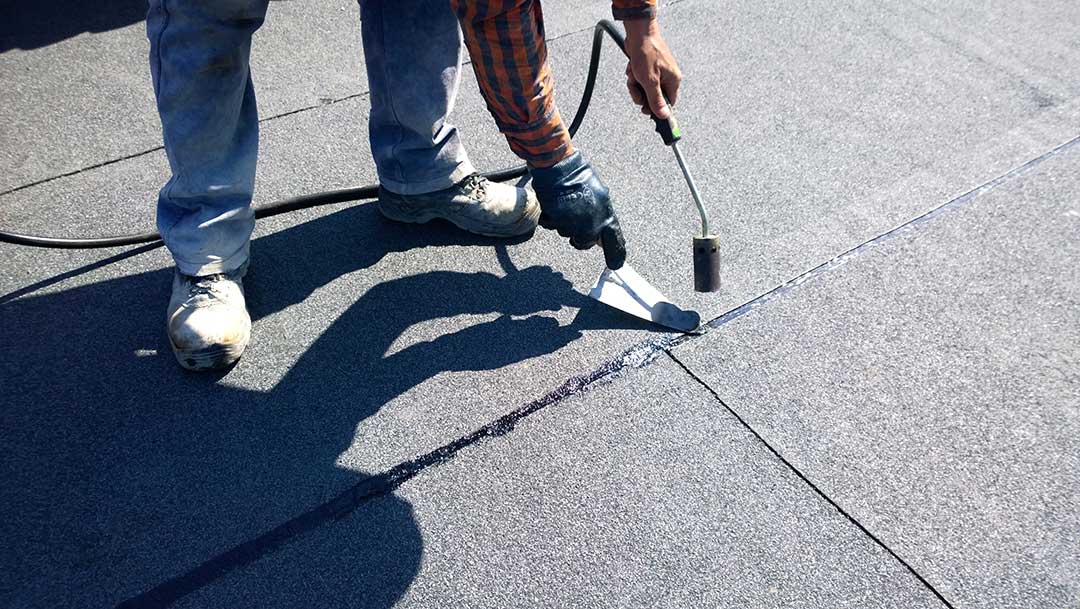
A roof edge that looks acceptable from the ground may still have hidden damage behind gutters or trim. Conversely, a loose soffit panel may be a localized fastening problem rather than evidence of widespread roof failure.
Do soffit vents prevent ice dams?
Soffit vents can support a balanced attic ventilation system, but they do not by themselves guarantee protection from ice dams. Ice dams form when heat escapes into the roof area, melts snow above a colder eave, and allows the water to refreeze near the roof edge.
Reducing the risk generally involves several factors:
- Adequate insulation at the attic floor
- Air sealing around ceiling penetrations
- Clear soffit-to-attic airflow where a vented attic is used
- Proper roof ventilation design
- Reliable roof-edge flashing and underlayment
- Control of indoor humidity
Adding more vents without addressing air leakage or blocked ventilation paths may not solve the underlying problem. Attic ventilation should be considered as part of the whole roof and building-envelope system.
How should homeowners inspect these areas?
A visual inspection from the ground can be done seasonally, especially after winter and after periods of heavy rain. Binoculars may help reveal staining, gutter separation, or missing panels without climbing onto the roof.
Check whether:
- Gutters remain straight and securely attached
- Water stains appear below the roof edge
- Soffit panels are intact and reasonably secure
- Vent openings are not covered by paint, debris, or nests
- Wood trim appears solid rather than swollen or soft
- Roof runoff is reaching the gutters instead of soaking the fascia
Avoid entering an attic or climbing a roof if the area is wet, icy, unstable, or near electrical equipment. Rotten fascia may not support a ladder, and roof-edge work can involve fall hazards. Conditions involving structural decay, active water entry, or unsafe access may require evaluation by a qualified roofing or building professional.
Should soffits and fascia be replaced during a roof replacement?
Not always. Replacement depends on the material, extent of damage, attachment method, and condition of the underlying framing. Sound fascia and soffits can often remain in place if they are properly integrated with the new roof-edge details.
Replacement is more likely to be needed when trim is:
- Soft, split, or structurally weakened
- Missing sections or unable to hold fasteners
- Repeatedly exposed to uncontrolled runoff
- Damaged behind gutters
- Preventing proper installation of drip edge or flashing
- Blocking required attic intake ventilation
The roof edge should be treated as a connected assembly. New roofing installed over deteriorated fascia may leave the gutter support weak, while new trim installed without correcting water drainage may deteriorate again.
For older houses in the area, repairs may also uncover several layers of past modifications, including enclosed soffits, painted wood trim, added insulation, or outdated vent arrangements. Understanding how those layers interact is more useful than replacing a visible panel without investigating the source of the moisture.
