
How do pests get into a roof?
Pests usually enter through small openings created by age, weather, construction details, or nearby trees. A gap does not need to be large: squirrels, mice, bats, birds, and insects can exploit loose materials, damaged vents, lifted flashing, or openings around pipes and wires.
In Ithaca, changing seasons can make these entry points more noticeable. Heavy snow, ice, wind, rain, falling branches, and repeated freezing and thawing can gradually loosen roofing components. Older homes may also have roof details that were built before modern pest-resistant venting and screening became common.
Common roof entry points include:
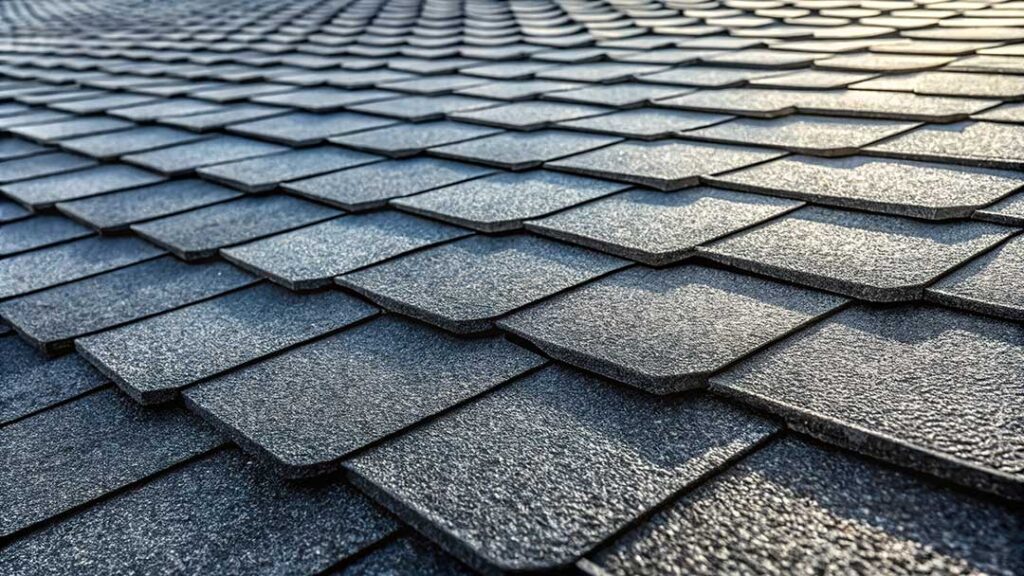
- Damaged or missing shingles
- Loose ridge caps or roof edges
- Gaps around chimneys, plumbing vents, and exhaust vents
- Unscreened attic vents
- Openings beneath soffits and fascia
- Damaged flashing around roof penetrations
- Holes created by decay or chewing
- Roof sections that meet walls, porches, or additions
- Uncapped or damaged chimneys
- Tree limbs touching or overhanging the roof
A pest may enter the roof covering itself, but it often reaches the attic through a second opening underneath the shingles or along the eaves.
Which pests commonly enter roofs in the area?
The most common roof-invading animals are rodents, squirrels, birds, bats, and insects. Each tends to use a different part of the roof and may leave different signs.
Squirrels often enter through fascia, soffit, ridge, or roof-edge openings. They can enlarge small gaps by chewing and may damage insulation, wood, and electrical wiring inside the attic.
Mice can pass through very narrow openings, especially where the roof meets the walls or around utility penetrations. They may build nests in insulation and become more noticeable as outdoor temperatures fall.
Bats commonly use gaps near roof edges, vents, chimneys, and siding-to-roof transitions. They may enter during warm months and can leave staining, droppings, or a noticeable odor near the entry point.
Birds may use open vents, damaged chimney covers, and spaces beneath loose roofing materials. Nesting material can block ventilation or create a fire risk if placed near electrical components.
Wasps, hornets, bees, and other insects may enter through vents, soffits, or small cracks. Some insects are attracted to damp wood, while others use sheltered roof cavities for nesting.
Raccoons and larger animals are more likely to enter through substantial openings, particularly damaged soffits, roof edges, or chimney areas. Their activity can cause major structural and insulation damage.
What roof damage allows pests inside?
The most vulnerable areas are usually the parts of a roof where different materials meet. These locations require flashing, sealants, fasteners, and proper installation. Over time, any weakened connection can become an entry point.
Roof edges deserve close attention because wind can lift shingles or loosen the materials beneath them. If the soffit or fascia is damaged, an animal may reach the attic without passing through the main roof surface.
Ventilation openings are another common route. Attic vents are designed to allow air movement, but they should be covered with durable screening or a properly designed vent assembly. A missing screen, bent louver, or cracked vent housing can provide easy access.
Chimneys may also create openings. A damaged or missing chimney cap can allow birds, bats, squirrels, rain, and debris to enter. Masonry cracks and deteriorated flashing can create additional gaps where the chimney meets the roof.
Trees near the house can contribute in several ways. Branches may scrape shingles, create impact damage, or provide squirrels and other animals with a direct path to the roof. Leaves and twigs can also collect in roof valleys and gutters, keeping nearby materials damp.
How can you tell whether pests are in the attic?
Signs of pest activity often appear before the entry hole is found. Scratching, chewing, fluttering, or scurrying sounds may be heard above ceilings, especially at dawn, dusk, or during quiet nighttime hours.
Other clues include:
- Droppings or urine staining
- Nests made from insulation, paper, leaves, or fabric
- Gnaw marks on wood, vents, or wiring
- Grease marks along frequently used paths
- Feathers, fur, or nesting debris
- Damaged insulation
- Unusual odors
- Stains near roof penetrations
- Insects entering rooms from ceiling fixtures or attic openings
- Daylight visible through the attic roof or wall edges
The timing of the noise can provide a useful clue, but it is not conclusive. Squirrels are often active during daylight, while mice may be heard at night. Bats may be active around dusk. Weather can also drive animals into sheltered areas, making activity more noticeable after storms or during cold periods.
Can pests enter through a roof that does not visibly leak?
Yes. A roof can allow animals or insects inside without producing an obvious water leak. Many pest entry points are located in protected areas such as soffits, gable vents, ridge vents, chimney caps, or the junction between the roof and an exterior wall.
Water may not enter because the opening faces downward, sits behind flashing, or is sheltered by another layer of roofing materials. An animal, however, may still be able to squeeze through or enlarge the gap.
The reverse can also happen: a roof may show no pest activity but still have hidden moisture damage. Soft wood, peeling paint, staining, or a musty odor near the attic should be investigated because moisture can weaken materials and make them easier for pests to penetrate.
Why are roof pests more noticeable in fall and winter?
Pests often seek sheltered spaces as temperatures drop. Attics offer protection from wind, snow, and cold, along with insulation that can be used for nesting. In a region with snowy winters and frequent freeze-thaw cycles, small openings may become more attractive as outdoor shelter becomes limited.
Seasonal roof maintenance can reveal problems before winter. Leaves may hide damaged shingles or blocked gutters, and snow can conceal roof-edge gaps. Ice buildup can also stress flashing and drainage areas, especially where roof slopes, valleys, and eaves meet.
Not every sound in an attic means an animal has entered. Expanding and contracting roof materials, heating ducts, and plumbing can make popping or ticking noises. Repeated movement, droppings, nesting debris, or visible damage provides stronger evidence of pests.
How can homeowners reduce roof entry points?
The most effective prevention focuses on sealing access points while preserving proper roof ventilation. Blocking every vent is not a safe solution because attics need controlled airflow to manage heat and moisture.
Useful preventive steps include:
- Inspecting roof edges, soffits, fascia, and gable vents
- Replacing damaged vent screens with durable materials
- Checking flashing around chimneys, skylights, and plumbing vents
- Keeping tree limbs from resting on or closely overhanging the roof
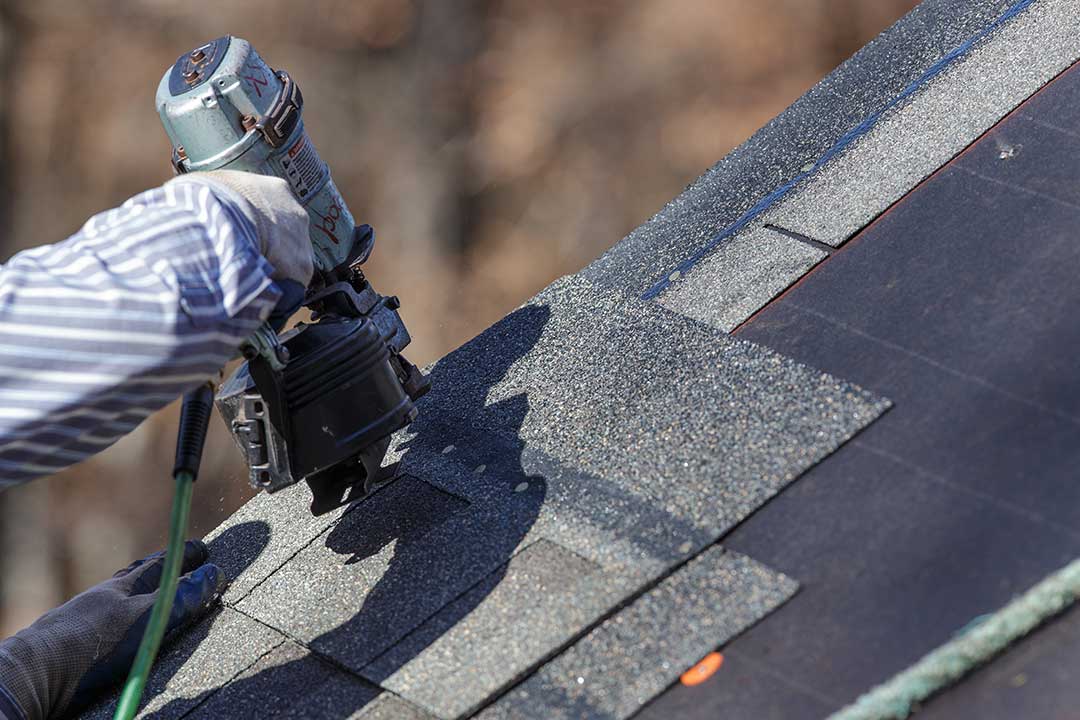
- Repairing damaged shingles and roof-edge materials
- Keeping gutters and downspouts clear so water does not weaken nearby components
- Using secure chimney caps where appropriate
- Checking attic insulation for nests, droppings, and disturbed areas
- Sealing openings around cables, pipes, and other penetrations
- Removing food sources and shelter materials from areas near the house
Repairs should be completed carefully. Sealing an opening while an animal is inside can trap it in the attic or separate a parent from its young. Bats and some nesting birds may also be subject to seasonal protections or special handling requirements. Wildlife removal and roof repair are separate tasks, and identifying the species first can prevent an ineffective or unsafe fix.
When does pest damage become a roof problem?
Pest activity becomes a roofing concern when it affects waterproofing, ventilation, structure, insulation, or electrical systems. Chewed wiring, damaged roof decking, blocked vents, soaked insulation, and weakened fascia all deserve prompt attention.
A small exterior gap may appear minor, but repeated entry can enlarge it and allow water to follow. In winter, moisture entering a roof assembly may freeze and expand, increasing damage around already weakened materials.
Residents should avoid entering a dark, confined attic without appropriate precautions. Droppings, disturbed insulation, live animals, mold, exposed wiring, and unstable decking can create health and safety hazards. If the attic shows structural damage, active wildlife, or electrical concerns, the situation may require specialized help rather than a simple patch.
