
What roof maintenance can a homeowner safely do?
In Ithaca, NY, many routine roof checks can be handled from the ground, from a ladder positioned safely at the roof edge, or from an attic. The safest maintenance tasks include clearing accessible gutters, observing shingles from a distance, trimming nearby branches, checking attic conditions, and looking for signs of moisture after storms.
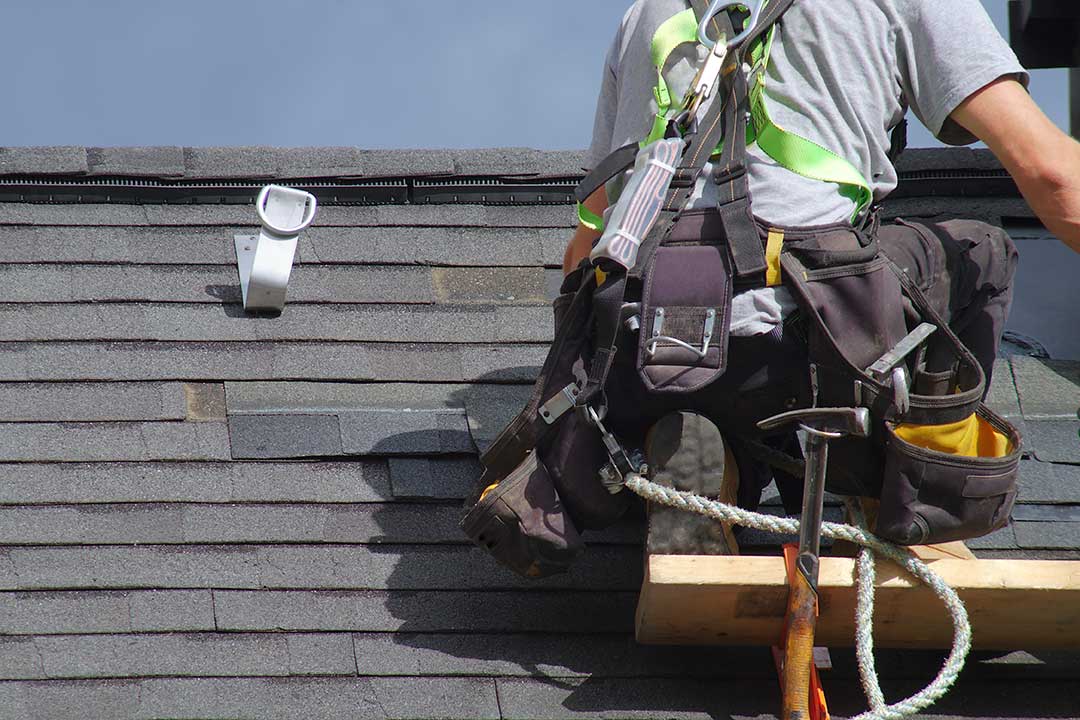
Roof maintenance is mainly about finding small problems before water, ice, wind, and repeated freeze-thaw cycles make them larger. It does not require walking on the roof. Walking on shingles can cause damage, and wet, icy, steep, or moss-covered surfaces are especially hazardous.
A practical homeowner routine includes:
- Inspecting the roof from the ground in spring and fall
- Cleaning gutters and downspouts when they are safely reachable
- Checking the attic for damp insulation, staining, or daylight
- Looking for loose flashing around chimneys, vents, and skylights
- Removing leaves from accessible roof areas without climbing onto the surface
- Keeping tree limbs from rubbing against the roof
- Recording changes with dated photographs
How often should a roof be inspected?
A visual inspection twice a year is reasonable for many homes: once after winter and again in early fall. Additional checks make sense after high winds, heavy rain, hail, or a major snow and ice event.
The spring inspection should focus on winter damage. Look for lifted shingles, displaced metal flashing, damaged vent covers, clogged gutters, and water marks in the attic. Fall maintenance should focus on drainage and preparation for snow. Gutters should be clear, downspouts should discharge water away from the foundation, and nearby branches should not hang heavily over the roof.
A ground-level inspection takes only a few minutes. Use binoculars if needed, and compare one side of the roof with another. Uneven lines, dark patches, missing shingles, or exposed underlayment deserve closer attention.
What should homeowners look for on shingles?
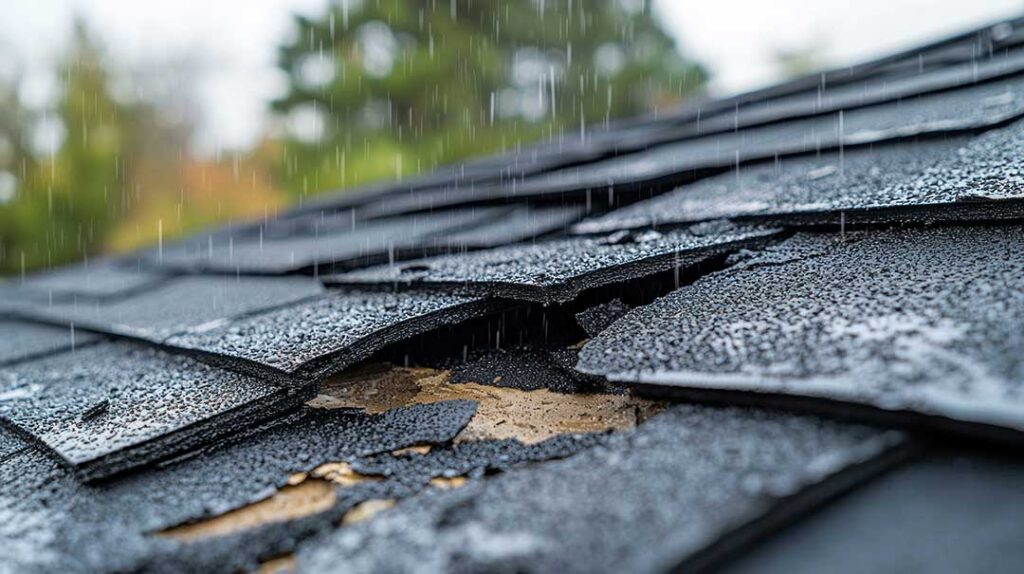
Healthy asphalt shingles generally lie flat and maintain an even pattern. Warning signs include:
- Shingles that are cracked, curled, blistered, or missing
- Areas where many granules have collected in gutters
- Dark streaks or patches that are new or spreading
- Exposed nail heads or underlayment
- Sagging along the roof surface or roof edge
- Shingles displaced after strong wind
Not every dark mark indicates a leak. Some staining is related to algae or normal aging, while other discoloration can signal trapped moisture. The more useful question is whether the appearance is changing and whether it is accompanied by loose material, sagging, or interior water staining.
Do not scrape or pressure-wash shingles. Abrasive cleaning can remove protective granules and shorten the roof’s service life.
How should gutters and downspouts be maintained?
Gutters protect the roof edge and foundation by moving rainwater away from the building. They should be checked in spring and after most leaves have fallen in autumn.
Remove leaves and sediment only from a stable ladder placed on firm, level ground. Keep both hands available when climbing, and never lean sideways to reach another section. A ladder should not rest against unstable gutter material.
Downspouts should be open and firmly connected. Water should flow freely through them and discharge far enough away from the foundation to avoid pooling near basement walls. During a light rain, observing the system can reveal overflowing sections, separated joints, or water running behind the gutter.
Gutter guards do not eliminate maintenance. Fine debris, seeds, and ice can still obstruct drainage, and the edges of the roof may need inspection even when the gutter surface looks clear.
What attic checks can reveal a roof problem?
The attic often provides earlier evidence of a leak than the living space. Inspect it during daylight and again after heavy rain if access is safe.
Look for:
- Brown or yellow stains on roof sheathing
- Damp insulation or musty odors
- Rust around nails or metal fasteners
- Mold-like spotting caused by persistent moisture
- Light entering through places that should be sealed
- Water trails near vents, chimneys, valleys, or roof edges
A small stain does not always appear directly below the exterior defect. Water can travel along rafters, roof decking, insulation, or framing before reaching the ceiling. For that reason, an interior stain should not be dismissed simply because the corresponding roof area looks dry.
Attic ventilation also matters. Excess humidity can cause condensation on cold roof surfaces, particularly during winter. Bathroom and kitchen exhaust fans should discharge outdoors rather than into the attic. Insulation should not block soffit ventilation openings.
How can snow and ice damage a roof?
Heavy snow does not automatically mean a roof should be cleared by a homeowner. Snow removal from a roof can cause falls, damage shingles, and create dangerous loads or falling ice. Do not climb onto a snow-covered roof.
Ice dams form when heat escapes into the attic and melts snow on warmer sections of the roof. The water can refreeze near colder eaves and back up beneath shingles. Signs may include thick ice along the roof edge, water stains near exterior walls, or dripping during thawing weather.
Prevention begins with a dry, well-ventilated attic and adequate insulation. Sealing air leaks around attic hatches, wiring penetrations, and plumbing openings can reduce warm air movement. Ice-dam chemicals, chopping tools, and improvised heating devices can damage roofing materials or create safety hazards.
After winter, inspect gutters, roof edges, and attic sheathing for signs of repeated moisture.
Which trees and nearby objects need attention?
Branches that touch or scrape the roof can wear away shingle surfaces and deposit leaves in valleys and gutters. Overhanging limbs can also fall during wind or when weakened by snow and ice.
From the ground, look for branches resting on the roof, dead limbs above the structure, and vines growing against roof edges or siding. Avoid cutting large, elevated, or tensioned branches. The risk is not limited to the roof; falling limbs can injure people and damage electrical lines or other parts of the home.
Keep ladders, tools, and stored materials away from roof edges. A clear perimeter makes inspections safer and reduces the chance of accidental impact.
When is DIY maintenance no longer appropriate?
Some conditions require more than routine homeowner maintenance. Avoid roof access and seek qualified help when there is:
- A steep, wet, icy, or fragile roof surface
- Visible sagging or structural movement
- A large missing section of shingles
- Active water entering the home
- Damaged electrical equipment near a leak
- A chimney, skylight, or vent that appears unstable
- Extensive storm or fallen-tree damage
- Suspected asbestos-containing roofing materials
If water is actively entering, place a container under the drip and move belongings away from the area if it can be done safely. Avoid touching wet electrical fixtures or wiring. Photographs from the ground and from accessible interior spaces can help document the condition without creating additional risk.
The most useful DIY roof maintenance is consistent observation, careful drainage upkeep, and early attention to changes. For homes in the area, seasonal moisture, snow, ice, wind, and falling leaves make those simple habits especially worthwhile.
