
Roof pitch describes how steeply a roof rises compared with how far it extends horizontally. It affects water drainage, snow behavior, attic space, roofing material choices, maintenance needs, and the overall appearance of a home.
For residents of Ithaca, NY, understanding roof pitch is especially useful because roofs must handle repeated cycles of snow, freezing temperatures, rain, wind, and thawing. A roof’s slope does not determine its condition by itself, but it strongly influences how the roofing system performs.
What does roof pitch mean?
Roof pitch is usually written as a ratio, such as 4:12 or 8:12. The first number represents the vertical rise, while the second represents the horizontal run.
A 4:12 roof rises 4 inches for every 12 inches of horizontal distance. An 8:12 roof rises 8 inches over the same 12-inch distance, making it noticeably steeper.
Common examples include:
- Low slope: about 2:12 to 4:12
- Moderate slope: about 5:12 to 7:12
- Steep slope: about 8:12 and higher
The terms “roof pitch” and “roof slope” are often used interchangeably, although roofing professionals may distinguish between pitch as a proportional relationship and slope as a percentage or angle.
A roof’s shape can also change from one section to another. A house may have a main gable roof, lower porch roofs, dormers, or additions with different pitches. Each section needs to be evaluated separately.
Why does roof pitch matter?
Roof pitch affects how quickly water, melting snow, and debris leave the roof surface. Steeper roofs generally shed water and snow more readily, while lower-slope roofs depend more heavily on properly sealed seams, flashing, underlayment, and drainage details.
Pitch also influences:
- The amount of roofing material required
- The difficulty of walking or working on the roof
- The likelihood of snow remaining in place
- The amount of usable attic space
- The appearance and proportions of the home
- Which roofing products can be installed safely and correctly
A steep roof is not automatically better. It may shed precipitation efficiently, but it can be more exposed to wind and more difficult to inspect or maintain. A lower-slope roof may be easier to access, yet it requires careful water management because standing water and slow drainage create additional risks.
How does roof pitch affect snow and ice?
In Ithaca, winter weather makes roof pitch a practical concern rather than just an architectural detail. A steeper roof can encourage snow to slide or shed naturally, reducing the length of time snow remains on the roof. However, snow may still accumulate behind chimneys, walls, valleys, skylights, vents, and other raised areas.
Lower-slope roofs often retain snow longer. This does not necessarily mean the roof is unsafe, but the weight of accumulated snow must be considered along with the roof’s framing, materials, age, and drainage design. New York residential construction requirements account for roof and ground snow loads, but the actual performance of an existing roof depends on its design and condition.
Ice dams are also influenced by pitch, but they are not caused by slope alone. An ice dam forms when heat escaping from the living space melts snow higher on the roof. Water then flows toward a colder eave, where it refreezes. Insufficient attic insulation, air leakage, blocked ventilation, and uneven roof temperatures can all contribute.
A steep roof may reduce some snow retention, but it cannot compensate for major ventilation or insulation problems.
Which roof pitch is best for heavy rain?
There is no single ideal pitch for every home. In general, a moderate or steep slope allows rainwater to drain quickly, but the roof covering and installation details remain just as important.
Low-slope sections need particular attention to:
- Continuous and properly installed underlayment
- Correctly designed flashing around walls and penetrations
- Clear gutters and downspouts
- Adequate drainage paths
- Roofing materials approved for that slope
Some shingle products have minimum slope requirements. Installing a material below its approved pitch can increase the risk of water intrusion, especially during wind-driven rain or repeated freeze-thaw cycles.
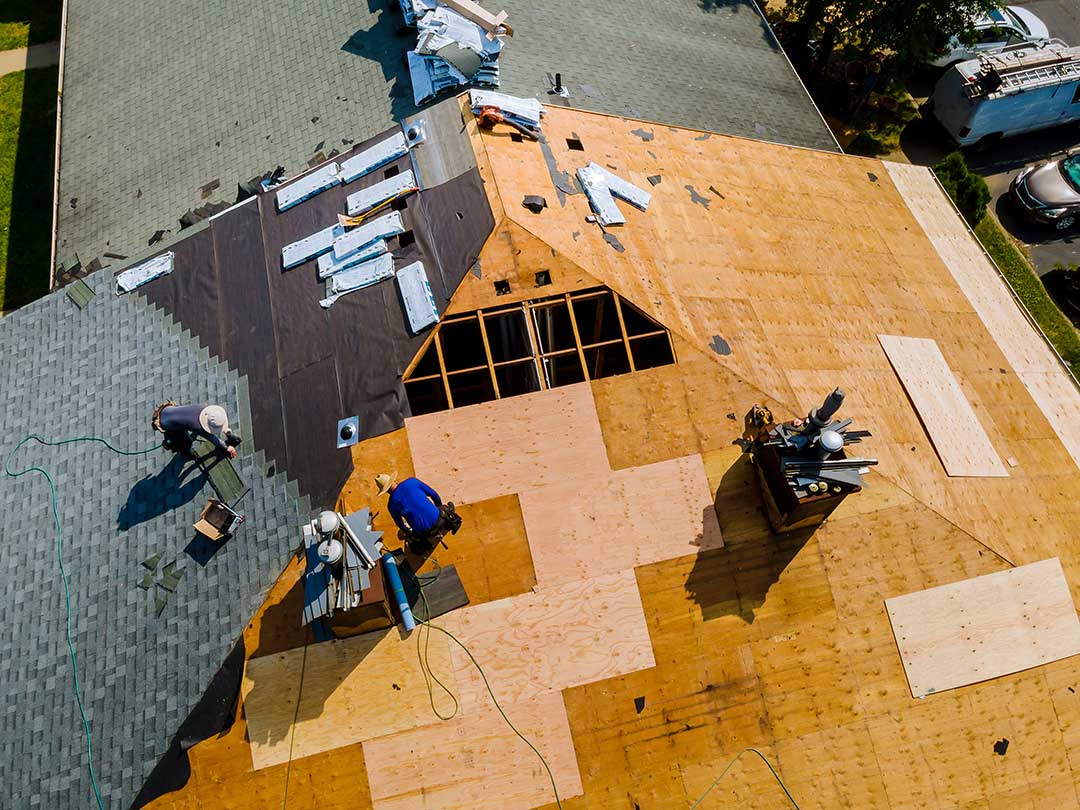
Roof valleys deserve special attention because they collect water from two or more roof planes. A valley can experience heavy runoff even when the rest of the roof drains well.
How can a homeowner measure roof pitch?
Roof pitch can often be estimated from inside the attic without climbing onto the roof. A level, tape measure, and pencil are usually enough.
Hold a level horizontally against the underside of a rafter or roof deck. Measure 12 inches along the level, then measure vertically from that point to the roof surface. If the vertical measurement is 6 inches, the roof is approximately 6:12.
Another method uses the roof framing directly, but measurements can be affected by vaulted ceilings, finished attic spaces, insulation, or inaccessible areas. A roof may also have multiple pitches, so one measurement does not always describe the entire structure.
Because steep roofs and icy surfaces present fall hazards, measuring from the ground or attic is safer than climbing onto the roof.
Does roof pitch determine roofing material?
Roof pitch is one of several factors used to select roofing materials. Asphalt shingles are common on many sloped residential roofs, but their installation requirements vary according to the manufacturer and the slope.
Metal roofing, synthetic materials, wood products, and membrane systems may each have different limitations. Some are appropriate for lower slopes when installed with specific underlayment or seaming methods. Others perform best on moderate or steep slopes.
The roof’s existing deck, ventilation, flashing, exposure to wind, and snow-shedding characteristics should be considered at the same time. Changing the surface material without addressing underlying drainage or ventilation problems may leave the main issue unresolved.
What roof pitch problems are easy to miss?
A roof can have an appropriate pitch and still develop problems. Common overlooked factors include:
- Debris collecting in valleys or behind roof projections
- Gutters that are undersized, clogged, or poorly sloped
- Snow sliding onto lower roofs or walkways
- Flashing that does not match the roof’s slope
- Attic moisture caused by warm, humid air
- Uneven surfaces created by additions or past repairs
- Roof penetrations installed without proper weather protection
Roof-to-wall transitions are another frequent trouble spot. Water moving down a steeper roof may reach a lower-slope porch or addition, concentrating runoff in one area. These transitions require carefully designed flashing and drainage.
Does a steeper roof always last longer?
No. Roof life depends on the roofing material, installation quality, ventilation, weather exposure, maintenance, framing, and moisture control. Pitch can improve drainage, but it cannot prevent damage from poor flashing, wind, trapped moisture, or deteriorated materials.
A steep roof may shed snow and rain efficiently, while a lower-slope roof may remain dependable for many years when properly designed and maintained. The most reliable assessment considers the entire roof system rather than pitch alone.
Understanding the slope helps explain why some roofs shed snow quickly, why others need closer observation after storms, and why the same roofing material may be suitable for one roof section but not another. In the local climate, pitch is best viewed as one part of a larger system that includes structure, drainage, insulation, ventilation, and weatherproofing.
