
What counts as a roof emergency?
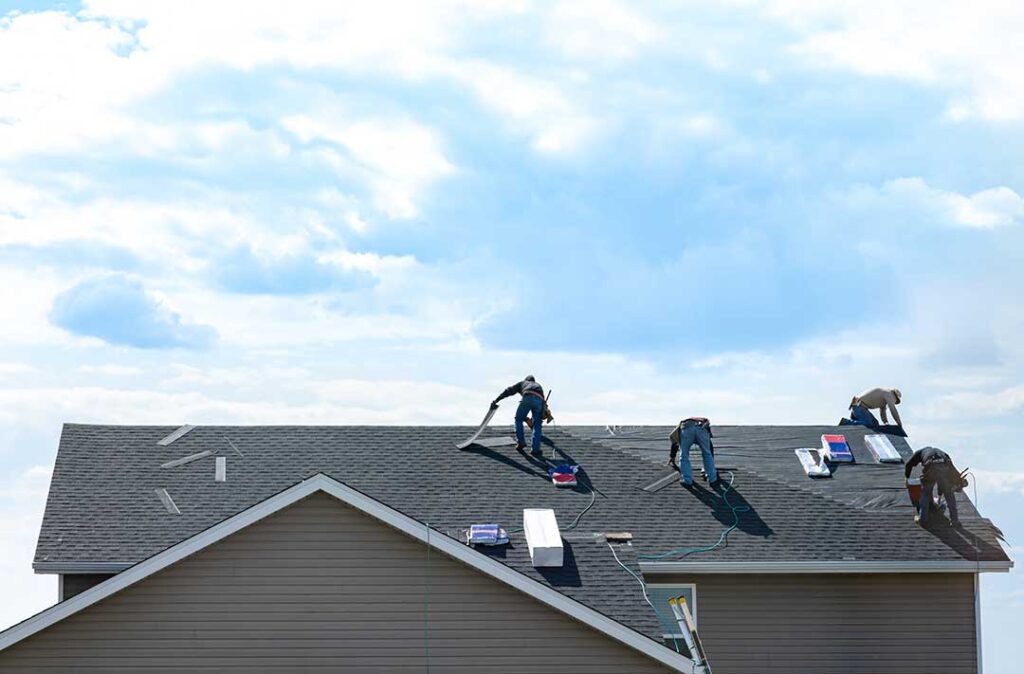
A roof emergency is damage that allows water, snow, wind, or debris to enter the building or creates an immediate safety hazard. Active leaks, major storm damage, a partially detached roof covering, and a ceiling that is bulging from trapped water all deserve prompt attention.
Not every roof problem requires the same response. A missing shingle discovered on a dry afternoon may be handled differently from water pouring through a ceiling during a storm. The first priority is to protect people, reduce interior damage, and prevent temporary measures from creating additional hazards.
Common emergency situations include:
- Water entering through a ceiling, attic, wall, or light fixture
- A large section of shingles, membrane, flashing, or metal roofing torn away
- A tree limb or other heavy object resting on the roof
- A ceiling surface that is sagging, stained, or visibly swollen
- Ice-related damage around roof edges, valleys, vents, or skylights
- Strong wind damage that leaves roofing materials loose or exposed
What should residents do during an active leak?
Move people and belongings away from the affected area, then contain the water if it is safe to do so. Buckets, plastic containers, towels, and temporary coverings can limit damage to floors and furnishings, but they do not correct the roof problem.
If water is near a light fixture, outlet, appliance, or electrical wiring, avoid touching the area. If the electrical panel can be reached without stepping through water or entering a hazardous space, shut off power to the affected circuit. Otherwise, leave the area and seek urgent assistance from someone qualified to manage the electrical risk.
A small opening in the ceiling may release trapped water and reduce the weight pressing against the ceiling material, but puncturing a ceiling is not appropriate in every situation. Do not attempt it if the ceiling is unstable, if electrical wiring may be present, or if the source of the water is unclear.
Take photographs from a safe location. Record where the leak appeared, when it began, and whether it worsened during rain, wind, or melting snow. This information can help distinguish a roof leak from plumbing, condensation, or ice-related moisture.
How can a roof be covered temporarily?
A temporary cover can reduce additional water entry until permanent repairs are possible. Covering a roof is hazardous during rain, snow, high winds, or icy conditions, and most emergency covering should be performed from the ground or by someone equipped and trained for roof access.
A tarp may be useful when it can be secured without climbing onto an unsafe surface. It should extend beyond the suspected damaged area and be fastened in a way that will not allow loose edges to flap against the roof. Improvised nails, loose plastic sheeting, and unsecured boards may cause more damage or become dangerous airborne debris.
Do not walk on roofing covered with ice, wet leaves, moss, or loose granules. Steep roof sections, roof edges, skylights, and areas weakened by water require particular caution. A roof can appear stable while its decking or supporting materials are damaged underneath.
What should happen after wind or storm damage?
Inspect the property from the ground first. Look for missing or displaced roofing materials, exposed underlayment, hanging gutters, damaged vents, broken tree limbs, and debris in the yard. Avoid standing beneath loose materials or walking near downed electrical lines.
In Ithaca, sudden wind, heavy rain, freezing temperatures, and repeated freeze-thaw cycles can affect roofing in different ways. Wind may lift shingles or flashing, while water that enters a small opening can spread through insulation and framing before a stain becomes visible indoors. Snow and ice can also conceal damage until temperatures rise.
Do not assume that a roof is undamaged because no leak is visible. Attic insulation may absorb water, and moisture can travel along rafters or ceiling framing. If the attic can be entered safely, look for wet insulation, darkened wood, dripping fasteners, or daylight showing through the roof. Do not climb onto rafters or walk on insulation.
Is a ceiling stain always a roof leak?
No. A ceiling stain may come from a roof opening, plumbing leak, condensation, ice buildup, or a bathroom or kitchen exhaust problem. The location of the interior stain does not always match the location of the exterior damage because water can travel before entering the room.
Roof leaks are more likely when staining appears after rain, wind-driven precipitation, snowmelt, or a period of ice accumulation. Plumbing problems may occur independently of weather and may be concentrated below bathrooms, kitchens, or mechanical equipment.
If a stain is dry and unchanged, photograph it and monitor the area. If it expands, feels soft, drips, or develops a bulge, treat it as an active problem. Painting over a stain before the source is corrected can conceal continuing moisture and make later inspection more difficult.
What should renters and homeowners document?
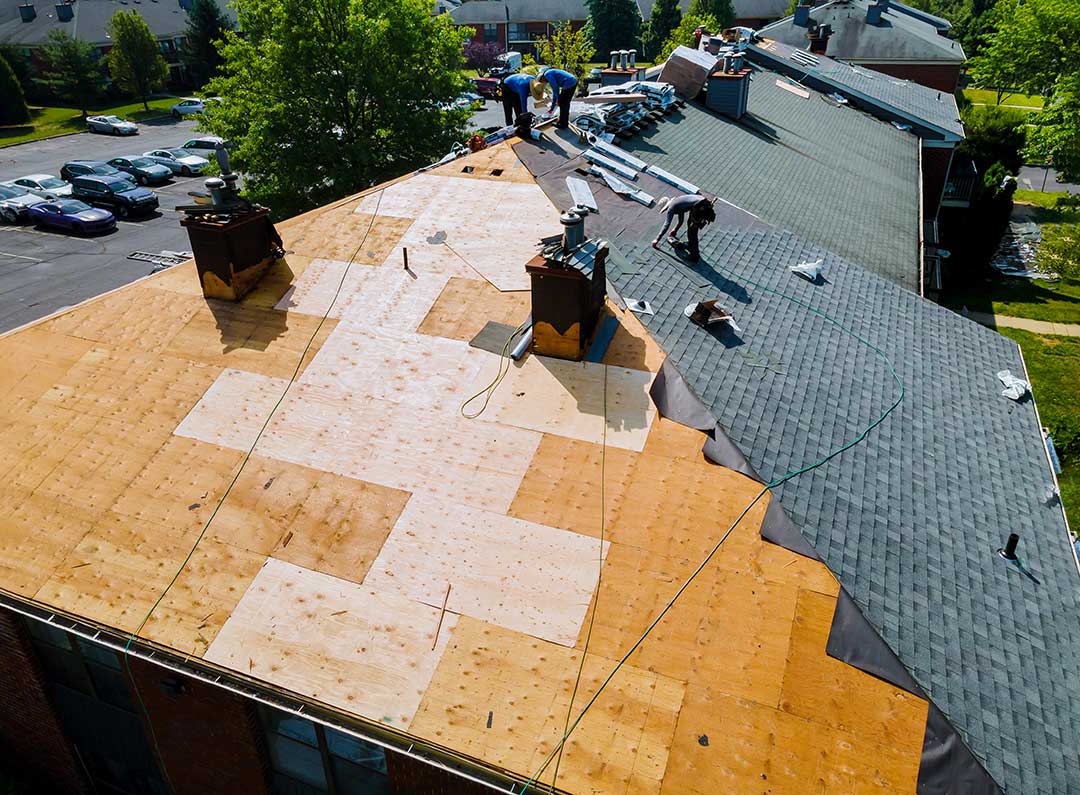
Document the condition before moving or discarding damaged materials, provided doing so does not delay urgent safety measures. Useful records include:
- Wide photographs showing the affected room or exterior roof area
- Close photographs of stains, damaged materials, and standing water
- The date and approximate time the damage was noticed
- Weather conditions around the time of the event
- A list of damaged furniture, electronics, flooring, insulation, or personal property
- Receipts for reasonable emergency supplies used to limit further damage
Keep damaged roofing materials or fallen debris only if they can be stored safely. Do not retain wet materials indoors if they may encourage mold growth or create a health concern.
Property insurance policies differ in how they address sudden storm damage, gradual deterioration, interior contents, temporary protection, and deductibles. Reviewing the policy and reporting significant damage promptly may help preserve accurate records. Avoid making permanent repairs before the condition has been documented, unless immediate work is necessary to protect safety or prevent severe additional damage.
When is it unsafe to handle the problem yourself?
Roof work should not be attempted when there is active lightning, strong wind, ice, deep snow, unstable decking, nearby electrical damage, or a fallen tree. A damaged roof may also expose nails, broken materials, weakened rafters, or openings that are difficult to see.
Extra caution is necessary for older homes, buildings with steep or complex rooflines, and properties where roof access requires a tall ladder. Ladder placement can be especially difficult on sloped, icy, or uneven ground during winter conditions.
Qualified help is warranted when structural damage is suspected, a large portion of the roof is exposed, water is near electrical systems, a tree has struck the building, or temporary work cannot be completed safely from the ground. Safety and stabilization should take priority over appearance.
How can emergency roof damage be reduced before the next storm?
Routine observation helps identify small problems before they become urgent. From the ground, check for curled or missing shingles, loose flashing, sagging gutters, blocked drainage paths, damaged vents, and branches touching the roof. Keep roof valleys, gutters, and downspouts clear when conditions allow safe access from the ground.
Trim branches that could fall onto the roof, but avoid outdoor work during high wind or when limbs are under tension. After heavy snow or ice, do not climb onto the roof to remove accumulation. Improper snow removal can damage shingles, flashing, gutters, and the person doing the work.
Inside the home, inspect attic spaces periodically for damp insulation, mold-like odors, daylight, or water marks. Good attic ventilation and proper insulation can help reduce condensation, but they cannot compensate for an exterior roof opening.
Emergency repair is mainly a process of safe response: protect occupants, limit water movement, document conditions, and avoid unsafe access. A temporary measure is successful when it prevents further damage without creating a second emergency.
