
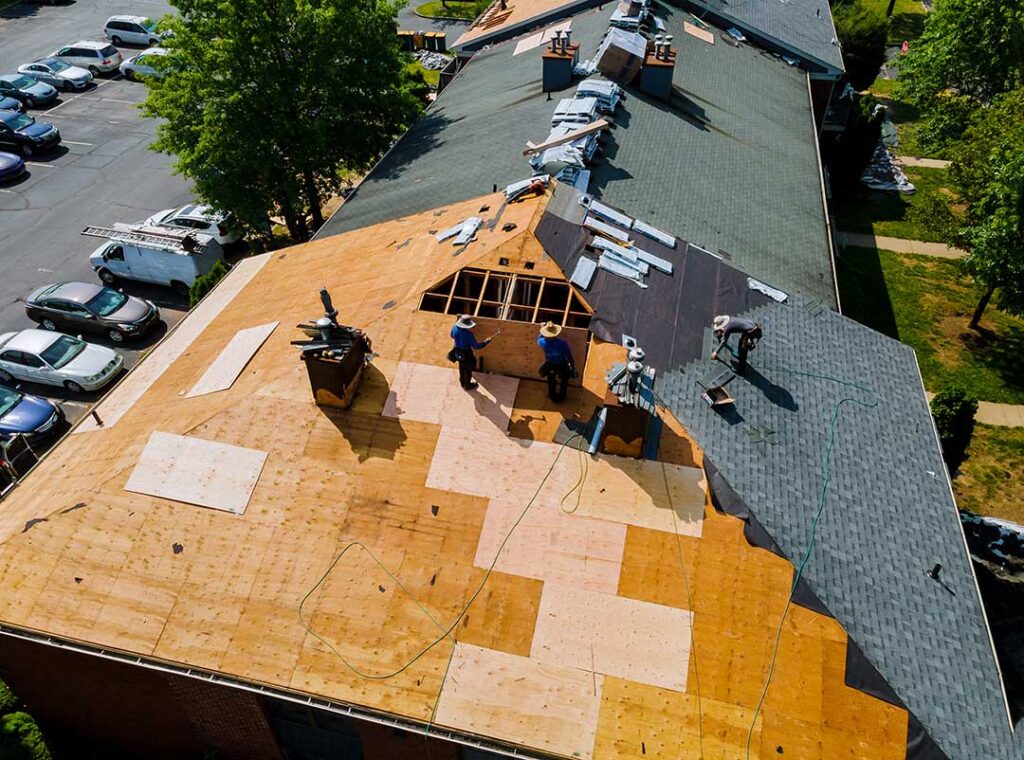
Does a roof need to be replaced just because it is old?
Not necessarily. Age is useful context, but it does not determine a roof’s condition by itself. A roof that has been properly installed, ventilated, and maintained may perform well beyond its expected service range, while a newer roof can develop problems earlier because of installation errors, storm damage, poor drainage, or inadequate ventilation.
Roofing materials also age differently. Asphalt shingles may show visible wear through curling, cracking, missing granules, or exposed fiberglass. Metal roofing may remain functional while fasteners, seams, flashing, or areas around penetrations deteriorate. Low-slope roof systems often require close attention to ponding water and membrane seams rather than shingle appearance.
A more useful evaluation considers:
- The roof’s material and approximate installation date
- Whether shingles, panels, or membranes are damaged
- The condition of flashing around chimneys, vents, and walls
- Evidence of leaks or damp insulation
- The performance of gutters and drainage paths
- Whether previous repairs addressed the underlying cause
A roof should be assessed based on its current condition, not an age number alone.
Can a small roof leak wait until spring?
A small leak can become a larger building problem even if water appears only occasionally. Moisture may travel along rafters, roof decking, insulation, or interior wall cavities before reaching a ceiling. By the time a stain becomes visible, the entry point may be several feet away.
In Ithaca, freeze-thaw cycles can make existing weaknesses more serious. Water enters a small crack or failed seam, freezes as temperatures drop, expands, and then leaves additional space when it melts. Repeated cycles can loosen materials and worsen flashing problems.
Temporary steps may reduce damage:
- Place a container beneath active dripping.
- Move furniture and electronics away from the affected area.
- Photograph visible damage for records.
- Avoid climbing onto an icy or wet roof.
- Check the attic only from a safe, dry location.
- Treat recurring leaks as a building-maintenance issue rather than a cosmetic stain.
A ceiling mark that has stopped growing may still indicate damp insulation or wood. The visible symptom does not prove that the roof has dried completely.
Are gutters separate from roof maintenance?
Gutters are part of the roof drainage system. They collect water from the roof edge and direct it away from siding, trim, foundations, walkways, and landscaping. Blocked or poorly sloped gutters can cause water to back up beneath roof-edge materials or overflow against the building.
Leaves, pine needles, ice, and windblown debris are common concerns. Snow and ice can also place strain on gutters and their fasteners. In areas with heavy seasonal precipitation, downspouts need enough capacity and should discharge water far enough away from the foundation to prevent repeated saturation.
Gutter cleaning does not replace roof inspections, but neglected drainage can shorten the life of roof components. Water stains near eaves, peeling paint beneath gutters, overflowing during moderate rain, or soil erosion below downspouts are signs that drainage deserves attention.
Does more attic insulation solve roof ventilation problems?
Insulation and ventilation perform different jobs. Insulation slows heat transfer between the living space and attic. Ventilation helps manage heat and moisture within the attic. Adding insulation without considering airflow can cover soffit vents, compress existing insulation, or leave moisture trapped in places where it can condense.
During winter, warm indoor air can move into a cold attic through light fixtures, attic hatches, plumbing openings, and other gaps. If that moisture condenses on roof sheathing, it may contribute to mold, wood decay, or frost accumulation. Poor ventilation can also contribute to uneven roof temperatures and ice dams.
A sound attic system generally requires:
- Continuous airflow from low intake areas to higher exhaust areas
- Properly sealed openings between the home and attic
- Insulation installed at an appropriate depth and location
- Clear paths around eaves and soffits
- Adequate ventilation that does not allow wind-driven rain or snow to enter
More insulation is not automatically the answer. The interaction between air sealing, insulation, ventilation, and indoor humidity matters more than any single component.
Do ice dams mean a roof is defective?
Ice dams usually indicate uneven roof temperatures and heat loss, not necessarily defective roofing materials. Snow melts over warmer portions of the roof, flows toward colder eaves, and refreezes. The resulting ice can block drainage and allow water to move beneath shingles or other roof coverings.
Ice dams can be influenced by:
- Inadequate attic insulation
- Air leakage from the living space
- Blocked or poorly designed ventilation
- Heavy snow accumulation
- Roof shape, shading, and exposure
- Warm spots caused by ducts, recessed fixtures, or mechanical equipment

Removing visible ice does not correct the cause. Chopping at ice with tools can damage shingles, membranes, gutters, and flashing. Pouring salt or chemical products on a roof can also harm materials and nearby plants. Safe snow and ice management may require specialized equipment, especially on steep, icy, or multi-level roofs.
Does replacing shingles fix every roof problem?
Shingles are only one part of a roofing system. Replacing them may not solve problems caused by deteriorated decking, failed underlayment, damaged flashing, poor ventilation, structural movement, or drainage defects.
Leak-prone locations often include:
- Chimneys and masonry transitions
- Plumbing and mechanical vents
- Skylights
- Valleys where roof planes meet
- Wall intersections
- Roof edges and eaves
- Areas around satellite, solar, or other mounted equipment
A new surface covering installed over an unresolved flashing or moisture problem can make the roof look improved while the leak continues. Good roof maintenance focuses on the entire system rather than the most visible layer.
Is a roof inspection only necessary after a storm?
Storm-related inspections are useful, but waiting for a major event is not ideal. Wind, fallen branches, heavy snow, and ice can cause obvious damage, yet gradual deterioration is more common and may be easier to address before water enters the building.
A basic visual check from the ground can look for missing materials, sagging roof lines, damaged chimney flashing, overflowing gutters, and debris resting on the roof. From inside the attic, warning signs may include damp insulation, darkened wood, daylight through the roof deck, rusted fasteners, or musty odors.
Roof access can be hazardous, particularly during wet weather, winter conditions, or after a storm. Any situation involving unstable surfaces, electrical hazards, structural damage, or active water near electrical systems requires caution and may require qualified assistance for safe evaluation.
Are roof leaks always caused by the spot where water appears?
No. Water may travel along the underside of roof decking, rafters, insulation, or framing before becoming visible indoors. A stain near a window, ceiling fixture, or wall does not necessarily identify the roof entry point.
This is why patching the visible interior mark often fails. Paint can hide discoloration temporarily, but it does not dry wet materials or stop water movement. The underlying roof area, flashing, drainage path, and attic conditions need to be considered together.
For homeowners in Ithaca, seasonal changes can make diagnosis more difficult. A leak may appear during wind-driven rain, snowmelt, or a rapid freeze-thaw period and remain inactive during dry weather. Intermittent symptoms still deserve attention because they may reflect conditions that occur only under a particular combination of wind, temperature, and precipitation.
