
Roofing materials do not all age at the same rate, and the material with the longest potential service life is not automatically the right choice for every home. In Ithaca, NY, a durable roof must handle winter snow, freeze-thaw cycles, wind, rain, summer heat, and the structural characteristics of the house beneath it.
Durability depends on more than the visible roof covering. Installation quality, roof slope, ventilation, flashing, drainage, underlayment, and the condition of the roof deck all affect how long a roofing system performs.
Which roofing materials last the longest?
Slate, standing-seam metal, clay tile, and concrete tile generally offer the longest potential service lives. High-quality asphalt shingles can also provide dependable performance, but they typically require replacement sooner than these heavier or more durable materials.
Typical service-life ranges vary by product and installation:
- Natural slate: often 75 to 100 years or more
- Copper roofing: commonly 50 years or longer
- Standing-seam metal: approximately 40 to 70 years
- Clay tile: often 50 to 100 years
- Concrete tile: commonly 40 to 75 years
- Premium asphalt shingles: roughly 25 to 40 years
- Wood shingles or shakes: commonly 20 to 40 years with regular maintenance
These are broad estimates, not guarantees. A roof exposed to poor drainage, inadequate ventilation, repeated ice buildup, or faulty flashing may fail well before the material itself reaches its expected age.
Is slate the most durable roofing material?
Natural slate is one of the longest-lasting roofing materials available. It resists rot, insects, ultraviolet exposure, and many forms of weathering. Properly maintained slate roofs can remain serviceable for many decades.
Its main limitation is weight. Slate requires a roof structure designed to support it, and not every existing home can accept a slate installation without structural evaluation. Individual slate pieces can also crack if walked on improperly or struck by falling branches.
Repairs require compatible slate and specialized knowledge. Replacing the entire roof covering may not be necessary when damage is limited, but finding matching material can be difficult on older homes.
How durable is a metal roof in local winter conditions?
Metal roofing can be highly durable in cold, snowy climates. Standing-seam systems have few exposed fasteners, and their smooth surfaces can shed rain and snow effectively when properly designed.
Metal is also resistant to rot, insects, and fire. Coated steel and aluminum systems can perform for decades, while copper may last considerably longer.
There are several details to consider:
- Snow guards may be useful above walkways, doors, porches, or lower roof sections.
- Metal expands and contracts with temperature changes, so the attachment system must allow for movement.
- Improperly installed fasteners, seams, or flashings can create leaks even when the metal panels remain intact.
- A metal roof does not eliminate the need for attic insulation and ventilation.
- Falling branches or hail can dent some thinner panels, although dents do not always affect watertightness.
Metal roofs can be noisy during heavy rain if the roof assembly lacks adequate insulation or solid decking. That issue is usually related to the entire assembly rather than the metal covering alone.
Are clay and concrete tiles suitable for homes in Ithaca?
Clay and concrete tiles can last for many decades and are resistant to rot, insects, and sunlight. They are also noncombustible and can provide strong weather resistance when installed correctly.
Their major concern is weight. Like slate, tile may require structural capacity beyond what an existing roof was originally designed to support. Freeze-thaw exposure also matters. Water that enters porous or damaged tile can freeze and expand, causing cracking over time.
Tile roofs need carefully designed underlayment, flashing, valleys, and edge details. A broken tile may be replaceable, but leaks can still develop below the visible surface if the underlayment has aged.
For older houses, the question is not simply whether tile is durable. The roof structure, slope, drainage paths, and existing framing must all be considered.
Are asphalt shingles durable enough for this climate?
Asphalt shingles are often the most practical choice for residential roofs because they are relatively light, adaptable to many roof shapes, and available in a broad range of quality levels. Architectural and premium shingles generally provide greater wind resistance and longer expected service than basic three-tab products.
Their durability depends heavily on installation details. Important factors include:
- Correct shingle selection for the roof slope
- Proper fastening and alignment
- A continuous underlayment system
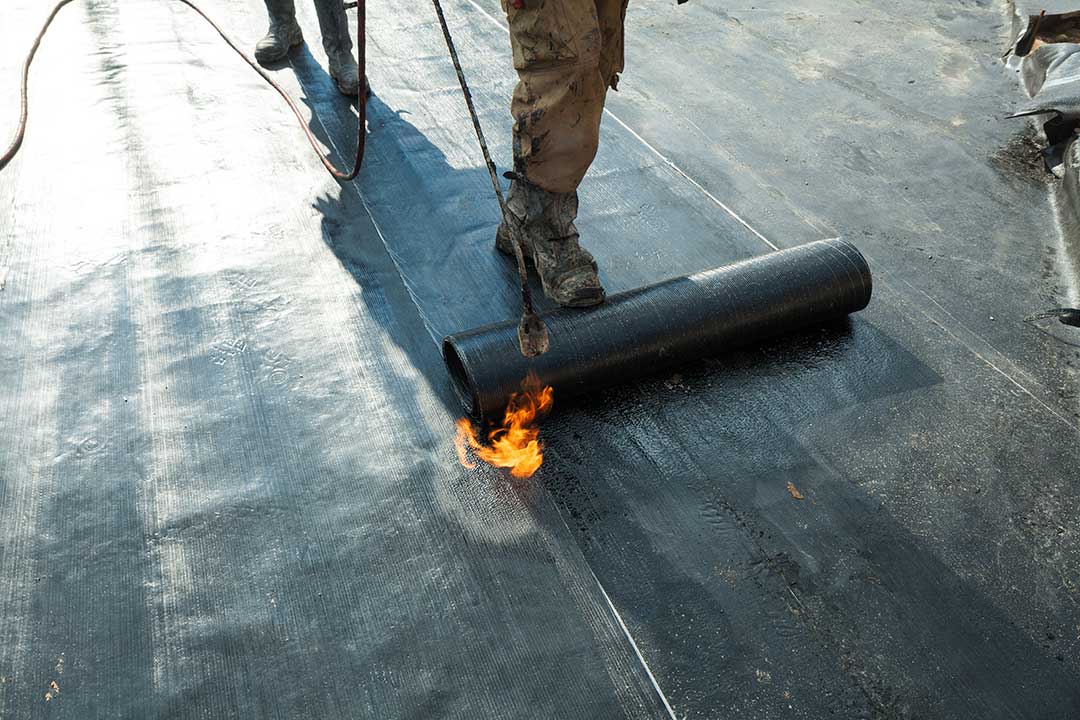
- Ice-barrier protection where required
- Well-sealed valleys and penetrations
- Adequate attic ventilation
- Good drainage around chimneys, skylights, and wall intersections
The local climate includes cold winters, regular snowfall, and substantial annual precipitation. Cornell climate normals for Ithaca record approximately 63 inches of snowfall in an average year, along with more than 38 inches of precipitation. That combination makes water-shedding details and protection against ice backup especially significant.
A well-installed asphalt roof may be a sound long-term choice, but its expected service life is usually shorter than slate, tile, or quality metal.
What makes a roofing system durable?
The covering is only one part of the roof. A durable system also requires a sound roof deck and properly integrated layers beneath the exterior material.
The most influential factors include:
Roof slope
Steeper roofs generally shed water and snow more readily than low-slope roofs. A material that performs well on a steep roof may need different detailing or may not be appropriate on a shallow slope.
Flashing
Flashing directs water away from vulnerable joints, including chimneys, walls, valleys, skylights, and roof edges. Many leaks blamed on shingles or metal actually begin at flashing transitions.
Ice protection
Freeze-thaw cycles can create ice at roof edges. If melting water backs up behind the ice, it may enter beneath the roof covering. New York roofing requirements address ice barriers in areas with a history of ice forming along eaves, making this a key consideration for local homes.
Ventilation and insulation
A properly insulated and ventilated attic helps reduce excessive heat buildup, moisture accumulation, and uneven roof temperatures. It cannot prevent every ice problem, but it can support more consistent roof performance.
Structural capacity
Heavy snow, drifting, and ice add stress to the roof structure. Slate and tile also add permanent weight. A durable material is not a safe choice if the supporting framing cannot carry the required loads.
Which material offers the best balance of durability and practicality?
For many homes, standing-seam metal offers a strong balance between long service life, relatively low maintenance, and resistance to winter weather. Slate provides exceptional longevity but may require structural reinforcement and specialized repairs. Clay and concrete tile can last a long time but are also heavy and vulnerable to damage from freeze-thaw conditions if poorly selected or installed.
Premium asphalt shingles remain practical for homes where budget, weight, roof geometry, and future repair simplicity matter most. They are not the longest-lasting option, but a well-installed asphalt roof can perform reliably for decades.
The most durable choice is therefore the material that matches the house’s structure, slope, drainage, exposure, and maintenance realities. In a snowy, wet climate, careful detailing often contributes more to long-term performance than choosing the most expensive roof covering available.
How can homeowners judge whether an older roof still has life left?
Look for patterns rather than a single isolated defect. Curling or missing shingles, exposed fasteners, cracked flashing, recurring interior stains, sagging areas, granule accumulation, moss-related moisture retention, and damaged roof edges can all indicate aging or installation problems.
Leaks that appear only during wind-driven rain or snowmelt deserve attention because they may point to flashing or ice-backup issues rather than a general failure of the roof covering. Structural warning signs such as visible sagging, ceiling cracks, or unusual movement under snow should be treated as safety concerns.
A roof’s age is useful information, but its current condition and the quality of the roof assembly matter just as much.
