
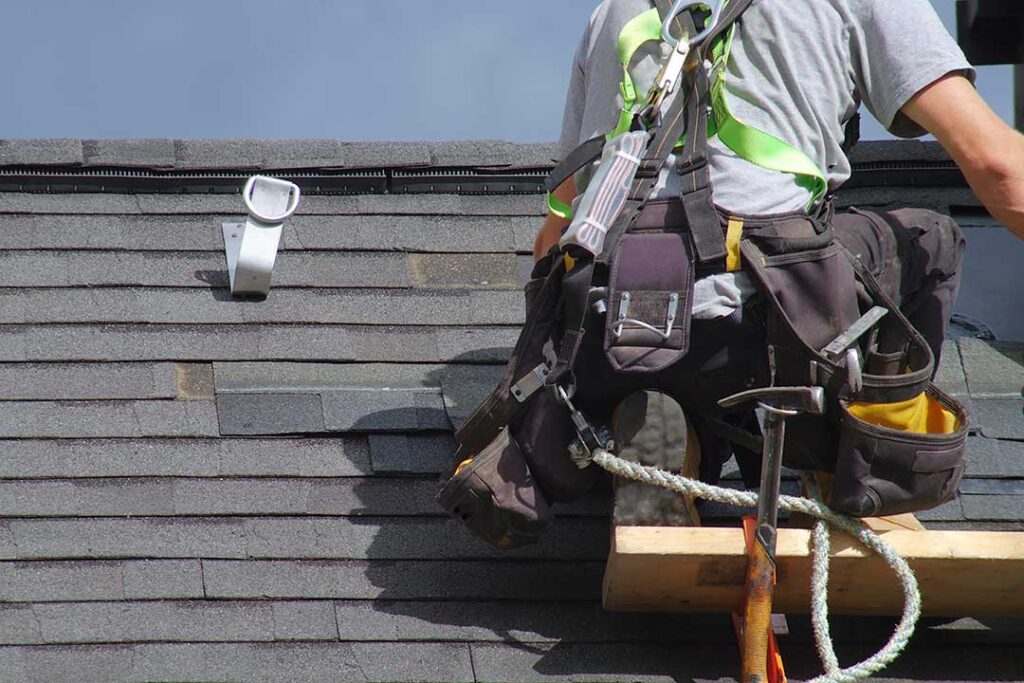
Roof repairs often fail because the visible damage is treated as the entire problem. A missing shingle, ceiling stain, or loose piece of flashing may be the final symptom of water movement that began somewhere else. In Ithaca, NY, repeated freeze-thaw cycles, heavy snow, wind-driven rain, leaf buildup, and shaded roof surfaces can make small mistakes more costly over time.
Mistake 1: Repairing the visible spot instead of finding the leak
A ceiling stain does not necessarily sit directly below the roof opening. Water can travel along roof decking, rafters, insulation, or interior framing before it appears indoors. Patching the area directly above the stain may leave the actual entry point untouched.
A better inspection considers the full path of the water. Areas that commonly deserve attention include:
- Roof penetrations around vents, chimneys, and plumbing pipes
- Valleys where two roof sections meet
- Flashing near walls and changes in roof height
- Damaged or lifted shingles above the interior stain
- Areas where snow or leaves collect
- Attic insulation or wood showing dampness
A stain that appears after a storm may reflect water entering several feet away from the visible interior damage.
Mistake 2: Using roof cement as a permanent solution
Roof cement can temporarily seal certain small gaps, but it is often used as a substitute for proper repair. Thick patches of cement may crack, separate from the roofing material, or trap moisture underneath. Dark sealant can also make later inspections more difficult.
Temporary sealing has a limited role during wet weather or when a permanent repair must wait for safer conditions. It should not replace damaged flashing, deteriorated shingles, exposed fasteners, or failed underlayment. The repair method should match the material and the source of the problem.
Mistake 3: Installing replacement shingles over a damaged base
A new shingle cannot correct rotten decking, loose sheathing, warped roof edges, or underlayment that has already failed. Covering a weak area may hide the defect while leaving the roof vulnerable to wind and moisture.
Before replacing roofing material, the surrounding surface should be checked for:
- Soft or spongy decking
- Dark staining or mold-like growth
- Rusted or improperly placed fasteners
- Buckling, sagging, or uneven surfaces
- Water damage around roof penetrations
- Deteriorated edge or valley materials
If the base is compromised, replacing only the top layer may provide a neat appearance without restoring the roof’s water-shedding function.
Mistake 4: Mixing incompatible materials
Roof systems contain several parts that must work together. Shingles, flashing, underlayment, sealants, ventilation components, and fasteners are not interchangeable in every situation.
Using the wrong fasteners may lead to corrosion or poor attachment. Applying a sealant that does not bond with the existing surface can create a short-lived patch. Adding metal flashing without allowing for movement may cause buckling or gaps as temperatures change.
Material compatibility matters especially on older homes, where previous repairs may already include several roofing products. A replacement should be selected based on the existing roof design, exposure conditions, and the specific location of the repair.
Mistake 5: Ignoring roof ventilation
Poor ventilation is sometimes blamed for every roofing problem, but it can contribute to premature deterioration when moisture and heat cannot escape properly. Warm, damp air from the living space may condense in a cold attic, wetting insulation and roof framing.
Adding a vent without considering the rest of the ventilation system can make airflow less effective. Blocking soffit openings with insulation is another common error. Roof ventilation should be evaluated as a complete system that includes intake, exhaust, insulation placement, and air sealing.
In a cold climate, ventilation does not eliminate the need for proper insulation and air sealing. All of these parts affect how much moisture reaches the attic and how evenly the roof surface handles temperature changes.
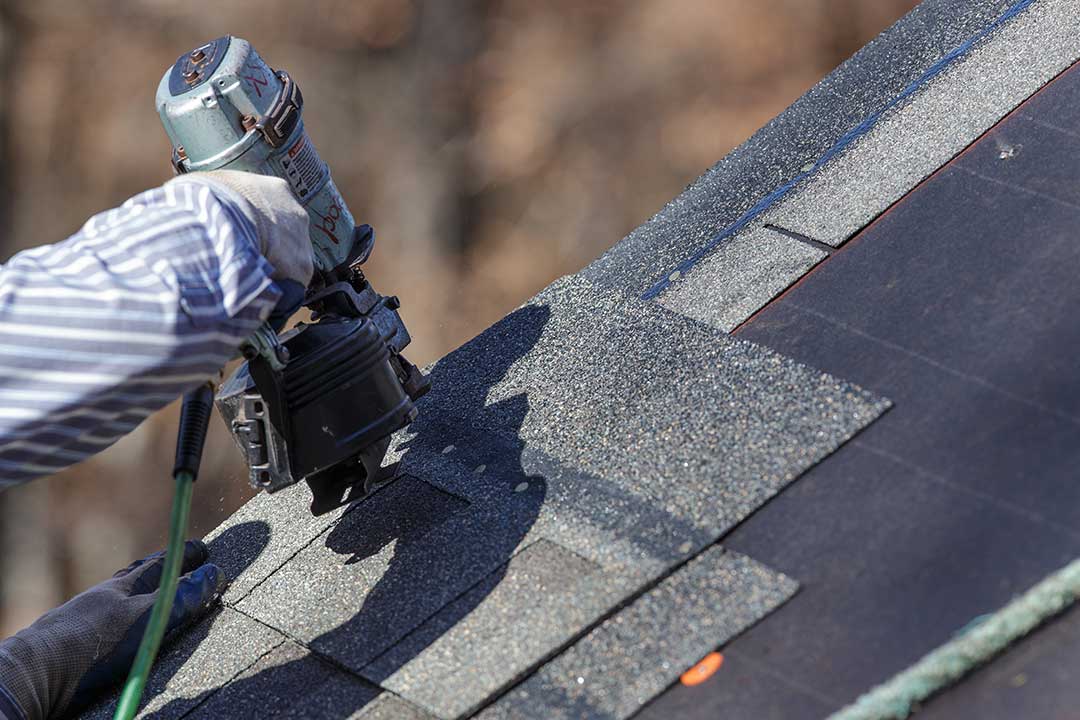
Mistake 6: Treating ice dams as only a gutter problem
Ice dams form when heat from the building melts snow on warmer sections of a roof, allowing water to run toward colder eaves where it refreezes. Gutters can become involved, but they are not usually the original cause.
Removing visible ice without addressing heat loss, air leakage, insulation gaps, or roof-edge conditions often allows the problem to return. Chopping ice with a hammer or sharp tool can damage shingles, flashing, gutters, and the roof edge.
During winter, safer measures may include reducing indoor moisture, keeping attic access covers sealed, checking that bathroom and kitchen exhaust vents discharge outdoors, and avoiding forceful ice removal. Severe ice buildup, active interior leaking, or unsafe roof access requires caution because snow-covered surfaces can conceal weak areas and slippery conditions.
Mistake 7: Cleaning moss or algae too aggressively
Shaded and damp roof surfaces can develop moss or organic growth. Scraping aggressively may remove protective granules from shingles or loosen their edges. Pressure washing can cause even more damage by forcing water beneath the roofing material.
Organic growth should first be assessed to determine whether it is merely surface staining or whether roots have lifted shingles. Any cleaning approach must account for the roofing material, roof slope, nearby landscaping, and where runoff will travel. Gutters and downspouts should also be checked afterward because loosened debris can block drainage.
Moss is more likely to return where branches keep the roof shaded and damp. Trimming vegetation away from the roof can improve drying without placing tools or people on the shingles.
Mistake 8: Replacing too many shingles without checking the repair area
A small damaged section does not always require broad replacement, but limiting the repair too narrowly can also be a mistake. If nearby shingles are brittle, curled, or losing granules, lifting them to install a new piece may cause additional breakage.
The condition of the surrounding roof matters. A replacement shingle should sit securely, align with adjacent courses, and be fastened according to the roofing system’s requirements. Differences in color are normal when newer material is placed beside weathered shingles, but uneven installation can create a functional problem rather than merely an appearance issue.
Mistake 9: Making repairs in unsafe conditions
Roof repairs should not be attempted during rain, high winds, lightning, icy conditions, or heavy snow. Wet shingles become slippery, and cold-weather sealants may not bond as intended. Snow can hide roof edges, skylights, fragile areas, and accumulated debris.
Ladders also create hazards on uneven ground, icy pavement, and sloped surfaces. A roof repair that requires walking near an edge, handling heavy materials, or working around electrical service may exceed what can be done safely with household equipment.
Safety is not separate from repair quality. A rushed or unstable repair can damage the roof and create a serious fall risk.
Mistake 10: Failing to inspect after the repair
A repair is not complete simply because the damaged material has been replaced. The area should be checked for proper alignment, exposed fasteners, lifted edges, gaps in flashing, blocked drainage, and signs of moisture in the attic or ceiling below.
After the next substantial rain or thaw, the repaired area should be observed from a safe location. New staining, damp insulation, musty odors, or dripping around roof penetrations may indicate that water is still entering or that a second problem was missed.
Which roof problems require more than a minor patch?
A small repair may be reasonable when damage is isolated and the surrounding roofing remains sound. More extensive evaluation is warranted when there is repeated leaking, widespread shingle loss, sagging, damaged decking, persistent attic moisture, or deterioration around several roof penetrations.
In older housing areas, multiple layers of past repairs can make the roof’s condition difficult to judge from the ground. Building age alone does not determine whether a repair is appropriate, but recurring defects and widespread material aging are signs that isolated patches may no longer address the underlying problem.
Knowing the limits of a repair helps prevent wasted materials, hidden moisture damage, and repeated work. The most reliable approach is to identify how water is moving, confirm that the roof structure is sound, use compatible materials, and avoid unsafe conditions during inspection or repair.
