

Ice dams are ridges of ice that form along a roof’s lower edge and block melting snow from draining away. The backed-up water can work beneath shingles, enter the attic, stain ceilings, wet insulation, and damage walls or other interior materials.
In Ithaca, NY, repeated cycles of snow, freezing temperatures, daytime thawing, and refreezing can create conditions where ice dams develop. Understanding why they form is the first step toward preventing them.
What causes an ice dam?
An ice dam forms when different parts of the roof are at different temperatures.
Snow resting on a warmer upper section of the roof begins to melt. The water flows downward toward the colder eaves, where it freezes. As more meltwater reaches that frozen area, the ridge of ice grows. Water can then collect behind the dam instead of flowing into the gutters and away from the house.
The most common source of roof warmth is heat escaping from the home. Warm air may move through gaps around:
- Attic hatches and pull-down stairs
- Recessed lights
- Plumbing and electrical penetrations
- Chimneys and flue openings
- Bathroom or kitchen exhaust ducts
- Top plates where exterior walls meet the attic floor
- Poorly insulated sections near the roof edge
Sunlight can also warm parts of a roof during the day, especially when snow-covered areas remain shaded or exposed to different conditions. However, household heat loss is usually the main factor in recurring ice dam problems.
Why are ice dams a concern?
An ice dam does not always cause immediate interior damage, but it creates a pathway for water to move in the wrong direction.
Water backed up behind the ice may seep beneath roofing materials and into the roof deck or attic. From there, it can reach insulation, rafters, ceilings, and exterior walls. Warning signs may include:
- Brown or yellow ceiling stains
- Damp attic insulation
- Peeling paint or bubbling drywall
- Drips near exterior walls
- Musty odors
- Mold growth after repeated moisture exposure
- Sagging gutters or large icicles along the eaves
Large icicles are not proof that an ice dam is present, but they can indicate that water is melting and refreezing along the roof edge. Ice dams may also add weight to gutters and place stress on roof edges.
How can homeowners prevent ice dams?
The most reliable prevention strategy is to keep the roof surface more evenly cold. That requires reducing heat loss from the living space and allowing the attic to ventilate properly.
Seal air leaks between the home and attic
Air sealing should generally come before adding insulation. Insulation slows heat transfer, but it does not always stop warm indoor air from leaking through openings.
Common areas to inspect include the attic hatch, wiring holes, plumbing penetrations, duct openings, and gaps around chimneys. Sealing these pathways helps keep heated indoor air from reaching the underside of the roof.
Bathroom and kitchen exhaust fans should discharge outdoors through properly connected ducts. Exhaust that ends in the attic releases warm, moist air where it can contribute to condensation, frost, and uneven roof temperatures.
Improve attic insulation
Insulation helps reduce the amount of heat reaching the roof deck. Thin or compressed insulation near exterior walls is a frequent weak point because the roof edge often provides less space for insulation than the center of the attic.
Insulation should be installed evenly and should not block soffit vents. Simply adding insulation over unsealed openings can hide air leaks without solving the underlying problem.
Maintain a continuous ventilation path
A properly designed vented attic usually allows cooler outdoor air to enter through soffit vents and exit through higher roof or ridge vents. Baffles can help preserve an open air channel between the insulation and roof sheathing.
Ventilation alone will not correct major air leaks or inadequate insulation. It works best as part of a complete attic system that includes:
- A reasonably airtight ceiling plane
- Adequate insulation
- Clear soffit-to-ridge airflow
- Properly routed exhaust ducts
- No blocked or covered vents
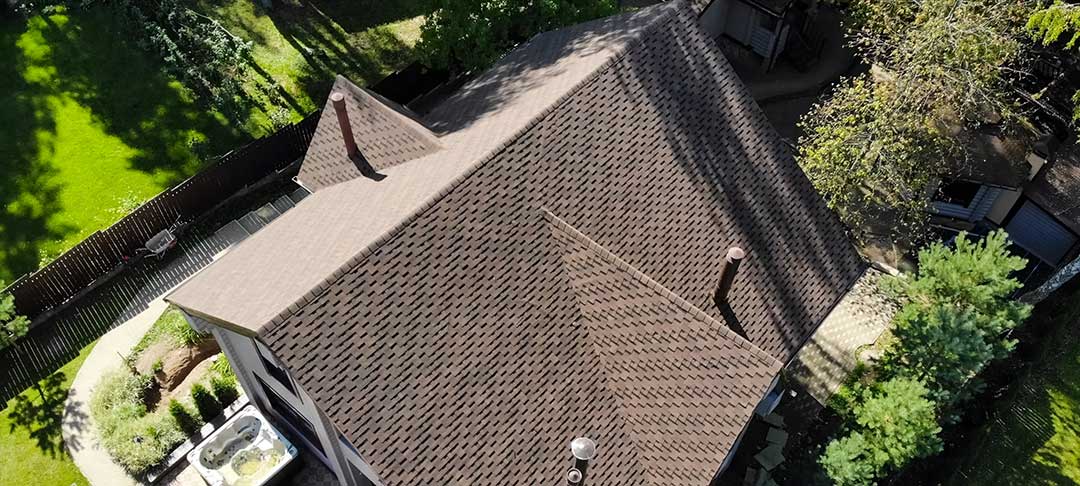
Roof design, insulation depth, and ventilation requirements vary by building. Older homes and houses with additions, knee walls, enclosed soffits, or complex rooflines may have uneven conditions that are difficult to see from inside the attic.
Does removing snow prevent ice dams?
Removing snow can reduce the amount of water available to form an ice dam, but it is usually a temporary measure rather than a permanent solution.
A roof rake designed for ground-level use may help remove snow from the lower roof area. However, pulling or scraping snow aggressively can damage shingles, flashing, gutters, and other roofing components. Standing on a snowy or icy roof is particularly hazardous.
Do not use a shovel, axe, or sharp tool to break apart an ice dam. Avoid applying open flame, improvised heaters, or heat-producing devices to the roof. These methods can damage roofing materials and create serious fire or electrical hazards.
If water is actively entering the home, protect furnishings, place containers under drips, and keep people away from sagging ceilings or wet electrical fixtures. Roof access during icy conditions should be left to trained workers when immediate action is necessary.
Are roof cables a permanent solution?
Electric roof de-icing cables can create channels through ice near the eaves, but they do not address the heat loss that caused the problem. They may be useful in limited situations, such as a roof area with a persistent localized problem, but they should be installed and used according to safety instructions.
Cables should not be treated as a substitute for air sealing, insulation, and proper ventilation. Improper installation can damage roofing materials or create electrical hazards.
What should be checked before winter?
A seasonal inspection can identify conditions that increase the risk of ice dams before snow arrives. Look for:
- Missing, damaged, or loose shingles
- Deteriorated flashing around chimneys, walls, and roof penetrations
- Blocked or poorly connected exhaust ducts
- Wet or compressed attic insulation
- Gaps around the attic hatch
- Covered soffit vents
- Gutters pulling away from the roof edge
- Branches that shade parts of the roof or deposit debris
Gutters and downspouts should be clear of leaves and other debris before freezing weather. Clean gutters do not prevent ice dams by themselves, but blocked drainage can make winter water problems worse.
What is the safest response to an active ice dam?
An active leak deserves prompt attention because water damage can spread beyond the original entry point. Documenting stains, damp insulation, and visible damage can help track the problem, but interior drying should begin as soon as it is safe.
The lasting repair usually involves finding why one part of the roof is warmer than another. That may require examining attic insulation, air leakage, ventilation, exhaust ducts, roof geometry, and exterior roofing details together.
For Ithaca households, prevention is most effective before the first sustained snow cover. A cold, evenly insulated, properly ventilated roof is much less likely to develop the melt-and-refreeze pattern that produces damaging ice dams.
