
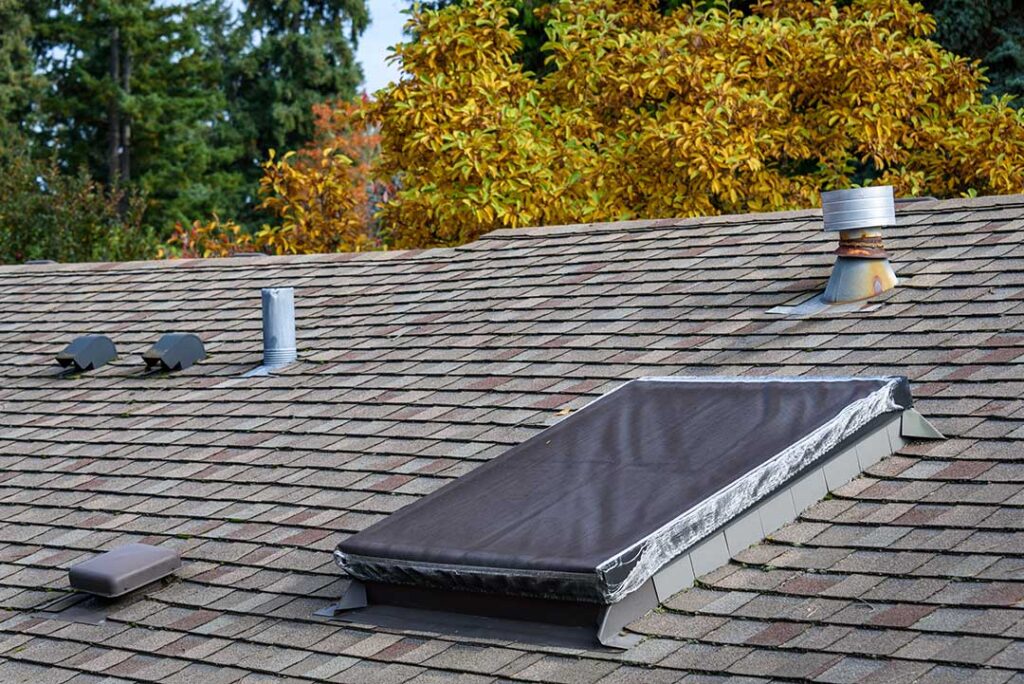
Choosing a roofing contractor is less about finding the lowest price and more about verifying experience, communication, insurance, workmanship, and the details of the proposed work. For homeowners in Ithaca, where roofs must handle snow, freeze-thaw cycles, wind, heavy rain, and shaded areas that may stay damp, the contractor’s preparation and repair methods matter as much as the roofing materials.
What should be checked before choosing a roofing contractor?
Before comparing prices, verify that the contractor is properly established, insured, experienced with similar roofs, and willing to explain the work in writing. A reputable contractor should be able to provide clear answers without pressuring a homeowner to make an immediate decision.
Useful questions include:
- How long has the contractor been working in the area?
- How much experience is there with the specific roof type?
- Who will supervise the work?
- Will subcontractors be used?
- What insurance coverage is carried?
- How will unexpected damage be handled?
- What cleanup and disposal procedures are included?
- What warranty applies to labor, and what warranty applies to materials?
A contractor’s legal business status, insurance, and local references should be verified independently rather than accepted solely on a written proposal. Insurance should include liability coverage and workers’ compensation where required. Without appropriate coverage, a homeowner could face financial exposure if a worker is injured or property is damaged.
How many roofing estimates should a homeowner compare?
Two or three detailed written proposals are usually enough to identify major differences in scope and pricing. More estimates do not necessarily produce a better decision, especially if the proposals are vague or compare different levels of work.
Each proposal should describe:
- The roofing materials and manufacturer specifications
- Whether the existing roof will be removed
- The number of planned layers
- Replacement of underlayment, flashing, vents, and pipe boots
- Treatment of damaged decking
- Ice-barrier installation where appropriate
- Ventilation work
- Protection for landscaping, siding, windows, and walkways
- Cleanup, magnetic nail collection, and disposal
- Payment schedule and completion terms
- Labor and material warranties
A low price may reflect fewer included repairs, lower-grade materials, minimal ventilation work, or an assumption that damaged decking will not be replaced. A higher price is not automatically better either. The useful comparison is between proposals that describe substantially the same work.
What makes a roofing proposal reliable?
A reliable proposal explains both the visible roofing system and the layers beneath it. It should not simply state “install new shingles” without identifying the preparation involved.
Roofing problems often begin below the surface. Wet or deteriorated roof decking, inadequate underlayment, damaged flashing, blocked ventilation, and improperly sealed penetrations can shorten the life of a new roof. A proposal should explain how these conditions will be inspected and how additional work will be priced if they are discovered after removal.
Be cautious with contracts that contain broad allowances without limits. For example, “repair decking as needed” should be accompanied by a clear per-unit price or another method for calculating the additional cost. That allows the homeowner to understand the financial impact before work proceeds.
Verbal promises should be added to the written agreement. This includes statements about ventilation, ice protection, cleanup, warranty coverage, start dates, and the expected appearance of the finished roof.
Why does local weather experience matter?
A contractor familiar with Ithaca should understand the practical effects of winter snow, ice formation, rapid temperature changes, and prolonged moisture. These conditions can expose weaknesses in flashing, valleys, roof edges, attic ventilation, and drainage.
Freeze-thaw cycles are especially hard on small defects. Water can enter a crack or poorly sealed joint, freeze, expand, and gradually enlarge the opening. Snow and ice may also conceal roof damage until warmer weather reveals staining or leaks.
Trees and shaded roof sections create additional concerns. Roof surfaces that dry slowly may accumulate moss or organic debris, while overhanging branches can scrape roofing materials and clog drainage paths. A careful evaluation should consider the roof’s surroundings, not just the shingles viewed from the ground.
Local experience does not mean a contractor should ignore manufacturer instructions or current code requirements. It means the contractor should recognize how regional conditions affect installation details and maintenance needs.
How can workmanship be evaluated before hiring?
Past work can provide useful evidence, but homeowners should look beyond photographs. Ask for references from projects with similar characteristics, such as steep slopes, older homes, multiple roof sections, dormers, low-slope areas, or complex flashing.
When reviewing completed work, look for:
- Straight, consistent shingle lines
- Neat flashing around chimneys, walls, skylights, and roof penetrations
- Properly finished ridges and roof edges
- No exposed fasteners where they should be covered
- Clean transitions between different roof sections
- Careful protection of siding, gutters, gardens, and exterior fixtures
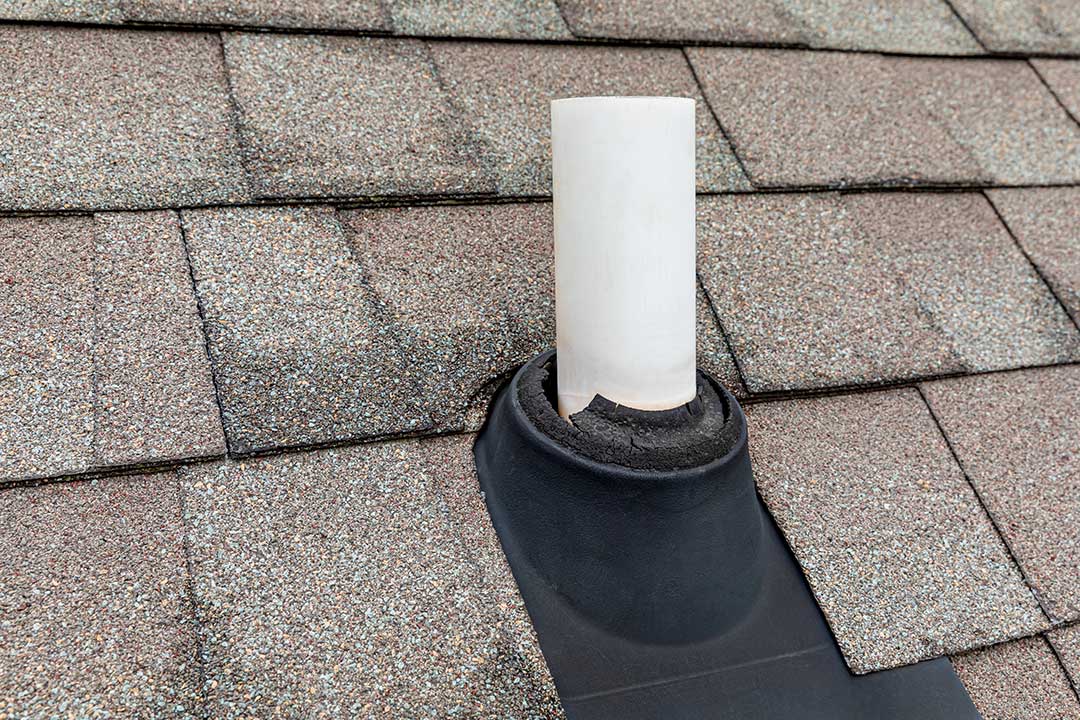
A contractor should also explain how the roof will be kept watertight if weather interrupts the project. Temporary coverings and end-of-day cleanup are especially important during seasons with frequent rain or changing temperatures.
Online reviews can identify patterns involving communication, delays, property damage, or warranty disputes, but they should not be treated as the only measure of quality. A large number of reviews does not replace a clear contract and verifiable insurance.
What warning signs should be taken seriously?
Certain practices deserve caution:
- Pressure to sign immediately
- Requests for a large cash payment before work begins
- A proposal with no material specifications
- Refusal to provide proof of insurance
- Unclear labor warranty terms
- Claims that permits or inspections are never necessary
- A request to sign a blank or incomplete contract
- Unwillingness to explain who will perform the work
- A price that is dramatically lower than comparable written proposals
- Promises that a homeowner’s insurance claim will automatically be approved
Storm-related damage can attract temporary or traveling crews that move quickly between communities. A contractor’s physical presence in the area does not by itself establish reliability. Verify business information, insurance, references, and contract terms before allowing work to begin.
Should a homeowner repair or replace the roof?
The right decision depends on the roof’s age, the extent of damage, the condition of the underlying structure, and the likelihood of recurring problems. A few isolated issues may be repairable, while widespread granule loss, repeated leaks, curling materials, deteriorated flashing, or sagging may indicate that replacement is more practical.
A sound evaluation should distinguish between cosmetic aging and conditions that threaten water entry or structural performance. Replacing a roof that could be repaired wastes money, but repeatedly repairing a roof near the end of its service life can also become expensive.
Emergency conditions require a different approach. Active water entry, a sagging roof surface, exposed electrical components, or large areas of missing roofing may create safety hazards. People should avoid climbing onto wet, icy, or damaged roofs. Interior containers can limit water damage temporarily, but they do not correct the source.
How should the contract and warranty be reviewed?
The contract should identify the parties, property, scope of work, materials, price, payment schedule, start and completion expectations, change-order process, cleanup responsibilities, and warranty terms. It should also state how disputes or delays will be handled.
A material warranty generally comes from the manufacturer and may depend on proper installation. A workmanship warranty comes from the contractor and may have different exclusions, time limits, and transfer rules. Homeowners should know who is responsible if a leak develops and whether maintenance, attic ventilation, or weather events affect coverage.
Keep the contract, invoices, photographs, warranty documents, and records of repairs together. This information can be useful for future maintenance, insurance questions, property sales, or later evaluations.
The strongest choice is usually the contractor who provides the clearest scope, demonstrates relevant experience, carries appropriate insurance, communicates in writing, and treats weather protection and site safety as part of the work—not as optional extras.
