
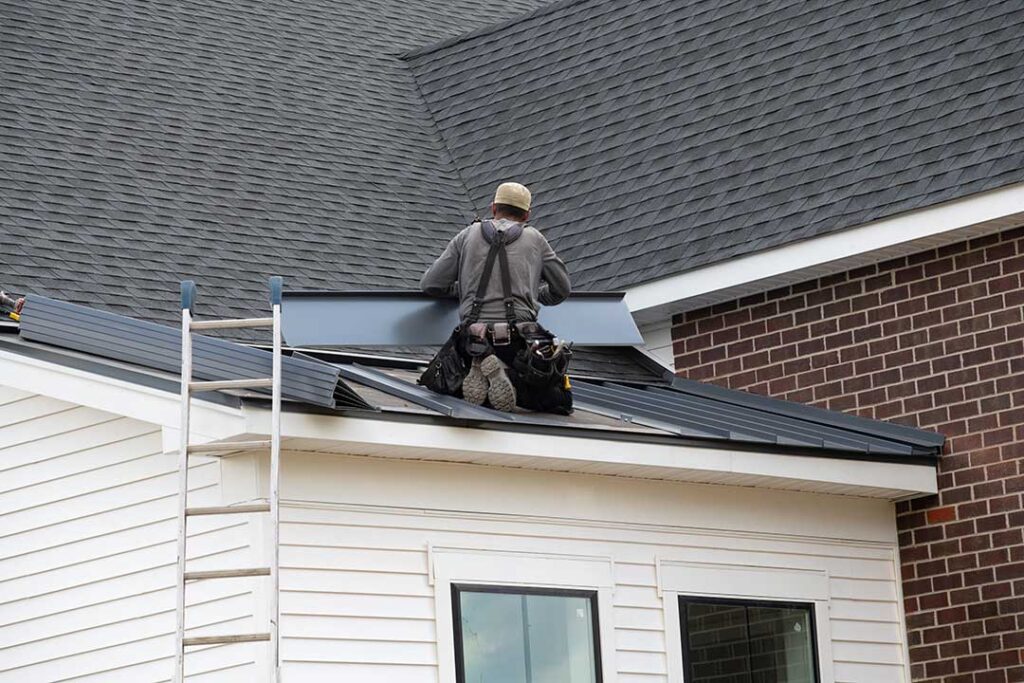
How Can You Tell If Your Roof Is Nearing the End of Its Life?
Most roofs in Ithaca, NY last between 15 and 30 years, depending on roofing materials and exposure to the local weather. Signs that a roof is reaching its lifespan often appear gradually. Asphalt shingles, the most common type on area homes, tend to exhibit curling edges, missing granules, or cracked surfaces. Wooden shakes become brittle or start splitting. Metal roofs can show rust or separated seams. These types of changes don’t usually happen overnight but will become more pronounced after years of freeze-thaw cycles, wet spring seasons, and windy autumns characteristic of the region.
Close examination from the ground or with binoculars can reveal clear signals—especially after a tough winter or heavy storm. Repeated repairs, constant leaks, or multiple missing shingles across the roof usually suggest that it’s more practical to replace the roof rather than continue with piecemeal fixes.
What Signals Indicate the Need for Immediate Attention?
A sudden leak, sagging spots, or visible daylight in attic spaces often means underlying roof damage needs prompt assessment. In Ithaca, heavy snow loads followed by rapid thaws can accelerate deterioration, sometimes leading to structural issues. Ice dams—a common winter hazard—may cause water to back up under shingles and damage the roof deck or insulation, which can sometimes show up as stained ceilings or peeling wall paint.
If you spot:
- Persistent damp areas in the attic after rain or melt
- Sections of missing roofing material after storms
- Noticeable mold or mildew inside
It’s wise to investigate quickly, as unresolved moisture issues may impact insulation, wooden framing, or interior finishes. While not all issues require full replacement, frequent or large-scale problems are often a sign the roof’s protective function has failed.
How Does the Ithaca Climate Affect Roof Longevity?
Ithaca’s frequent temperature swings put extra stress on roofing materials. Winters bring significant snow and ice accumulation, with spring thaws introducing moisture and fast temperature changes. Repeated freeze-thaw cycles cause standard asphalt shingles to expand and contract, potentially leading to cracks or curling over time.
Homes shaded by older trees or surrounded by foliage are especially vulnerable to moss and lichen, which thrives in the area’s humid summers and can trap moisture against the roof. This extra moisture shortens material lifespan and may not be obvious from the ground, which makes routine inspection especially valuable for local homeowners.
Are Repairs Sometimes a Better Option?
Repairs can be appropriate when issues are isolated—such as a single damaged patch caused by wind or a fallen branch. If the rest of the material is in good shape, a repair might buy several more years of performance. However, if damages are recurrent or spread across wide sections, replacement may be safer and more cost-effective in the long term.
Be cautious about repeatedly layering new shingles over old ones, a practice sometimes seen in the city to temporarily stave off a full replacement. While New York State code may permit one overlay, further layers add weight and can cover up deeper problems like rotting wood or trapped moisture. For homes with significant age or historic construction, special techniques or more frequent assessment may be needed to preserve structural safety.
What Are Common Misconceptions About Roof Replacement?
A frequent misconception among area households is that a leaky roof always means a full replacement is needed. In reality, pinpointed leaks—such as those caused by flashing around chimneys or vents—can sometimes be repaired. Older roofs don’t necessarily need replacing at a set age; actual condition, not strictly years, is the best guide.
Another common myth is that a roof should be replaced as soon as you see dark streaks or moss. While unsightly, these growths alone rarely signal imminent failure, though moss can hasten deterioration if left unchecked.
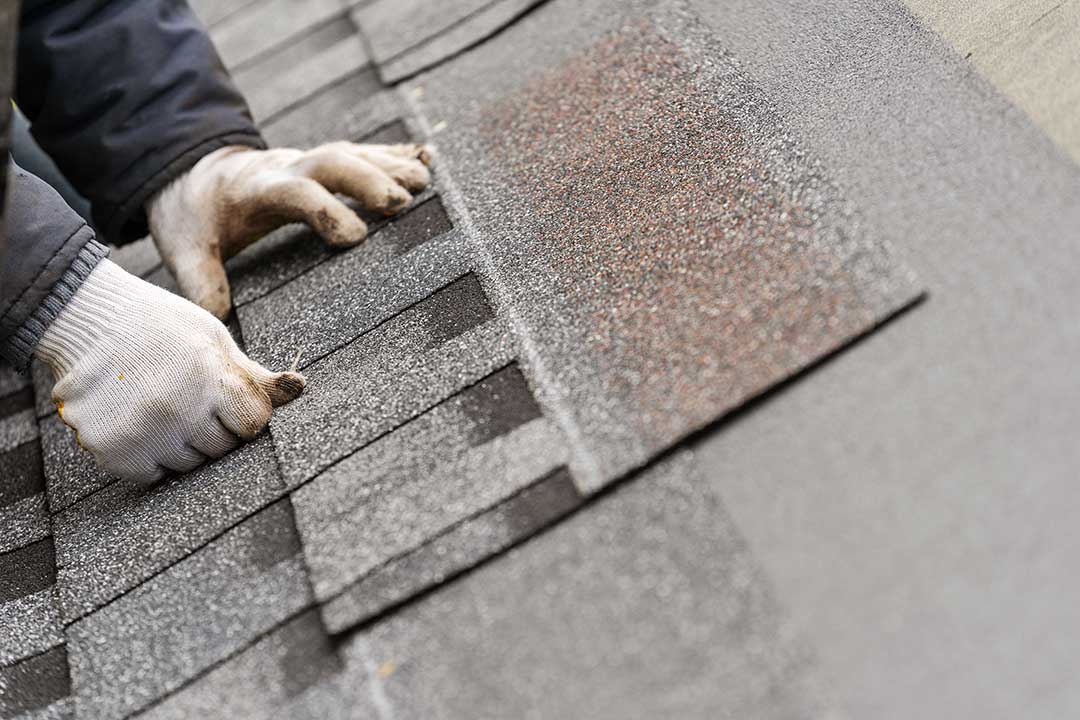
Lastly, many residents overlook attic ventilation and insulation as factors. Poor air flow in attics—a challenge in some older homes—can cause a roof to age faster, as trapped heat and moisture break down roofing materials from below.
What Should You Check During Seasonal Maintenance?
Routine visual checks are especially useful after the region’s heavy snows, windstorms, or autumn leaf falls. Every spring and fall, look for:
- Loose, missing, or shifted shingles
- Moss, algae, or lichen, especially on shaded slopes
- Granule accumulation in gutters
- Damp attic insulation or visible interior stains after precipitation
Keeping gutters clear of leaves and nests, trimming overhanging branches, and watching for signs of animal intrusion (like lifted edges or small holes from squirrels or raccoons) can also extend roof life. These steps help prevent problems before they lead to full-scale replacements, making regular roof care a valuable long-term habit for area residents.
When Does Age Alone Make Replacement the Best Choice?
If your roof is more than 20 years old, it makes sense to prepare for eventual replacement—especially if you see clear wear or tracking past repairs. Even if there are no active leaks, older roofs have a higher risk of sudden failures during windstorms or snow events. Many local homes built in the last several decades are now reaching the end of their original roofing lifespan, making this a timely consideration.
Historic homes may have special roofing materials like slate or tile that age differently and require unique assessment methods. For these homes, or in situations where safety or severe structural deterioration is suspected, more thorough evaluation is warranted.
