
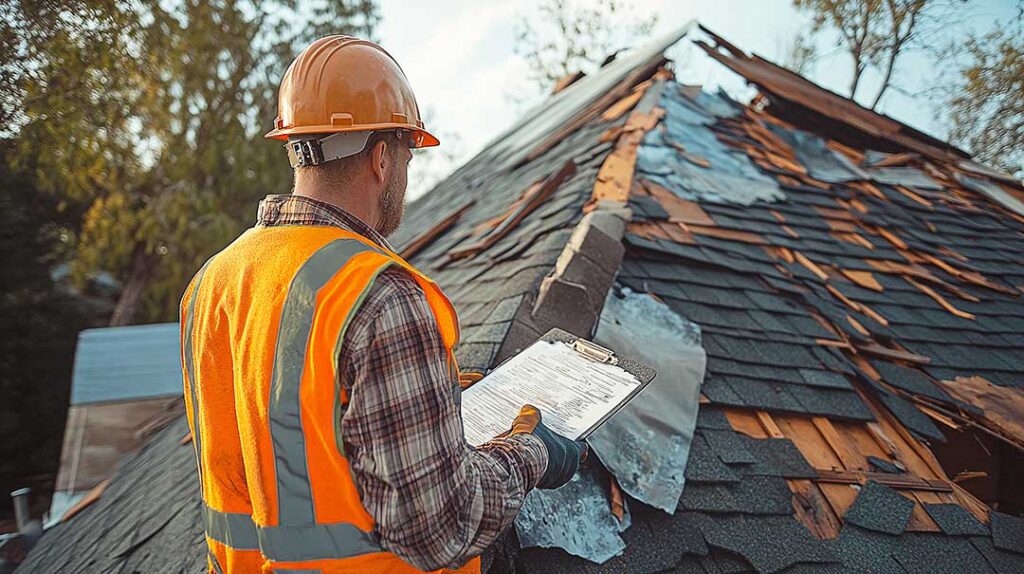
What should be documented first after roof damage?
After roof damage, document the condition of the property before moving or discarding anything, provided it is safe to do so. Take wide photos, close-up images, videos, written notes, and records of temporary repairs.
In Ithaca, roof problems may follow heavy snow, ice buildup, freeze-thaw cycles, wind, falling branches, or intense rain. Damage is not always obvious from the ground. A roof can appear intact while water has entered the attic, insulation, ceilings, or wall cavities.
Begin with safety:
- Do not climb onto a wet, icy, steep, or visibly unstable roof.
- Stay away from sagging ceilings, exposed wiring, standing water, and areas with falling debris.
- If water is near electrical equipment, avoid the area and arrange for the hazard to be addressed safely.
- Photograph damage from the ground, attic, upper floors, and other safe locations.
The goal is to create a dated record of what happened, what was damaged, and what changed afterward.
How should roof damage be photographed?
Use both wide-angle and close-up photos. Wide images show where the damage is located, while close-ups show the condition of shingles, flashing, vents, gutters, ceilings, insulation, and personal belongings.
A useful sequence is:
1. Photograph the entire side of the house or roof area.
2. Take several images from different angles.
3. Move closer to show lifted shingles, missing roofing materials, punctures, exposed underlayment, damaged flashing, or fallen branches.
4. Photograph interior water stains, bubbling paint, damaged drywall, wet insulation, and attic leaks.
5. Include an object for scale when it helps show the size of a hole, crack, or displaced material.
6. Record video while slowly showing the affected areas and explaining what is visible.
Avoid editing, enhancing, or heavily cropping the original files. Keep the original photographs and videos, including their date and time information. If possible, save copies in more than one location, such as cloud storage and an external device.
Photographs of undamaged areas can also be useful. They may help show the condition of nearby roofing materials and establish how the damage is limited.
What written information should accompany the photos?
Photos alone rarely explain the full loss. Create a written timeline while events are still fresh.
Record:
- The date and approximate time the damage was first noticed
- Weather conditions, such as high wind, hail, heavy rain, snow, or ice
- Sounds or events that occurred, such as a branch striking the roof
- The rooms and building components affected
- When water was first seen indoors
- Any changes in the damage over the following hours or days
- Actions taken to reduce additional damage
- Names, dates, and times associated with insurance communications
- Any claim number or reference number provided by the insurer
Do not guess about the cause if it is uncertain. A statement such as “water appeared on the ceiling after overnight wind and rain” is more useful than declaring that a particular roofing component failed without evidence.
How can additional damage be prevented without harming the claim?
Insurance policies generally expect homeowners to take reasonable steps to prevent further damage. Temporary measures may include placing containers under active leaks, moving furniture and belongings away from water, covering exposed areas from the ground when practical, or arranging emergency water removal.
Document the condition before and after temporary work. Keep receipts for tarps, materials, emergency drying, temporary boarding, storage, and other necessary expenses. Write down what each expense was for.
Temporary repairs should not erase evidence. Do not throw away damaged shingles, ceiling materials, insulation, or personal property until the insurer has had a reasonable opportunity to inspect them, unless the materials create a health or safety hazard. If something must be discarded, photograph it thoroughly and keep a small sample when practical.
Permanent repairs, upgrades, or replacement work should generally wait until the insurer has reviewed the loss, unless immediate action is necessary to protect people or prevent substantial additional damage. The policy and the circumstances determine what is appropriate.
What personal property should be included?
Roof leaks can damage more than the structure. Make a room-by-room inventory of affected belongings, including furniture, clothing, electronics, books, tools, decorations, and stored items.
For each item, record:
- A description and quantity
- The approximate age
- The original purchase price, if known
- The estimated replacement cost
- The location where it was stored
- The nature of the damage
- Whether it can be cleaned, dried, repaired, or must be discarded
Photograph each item in place before moving it. Receipts are helpful, but other records may also establish ownership and value, including credit-card statements, online order histories, warranty documents, photographs, manuals, and bank records.
Do not exaggerate the condition or value of damaged property. If an item was already worn, partially damaged, or missing before the storm, describe that accurately.
What documents may the insurance company request?
The insurer may ask for documents related to the home, the roof, damaged contents, and temporary expenses. Gather what is available without delaying emergency safety measures.
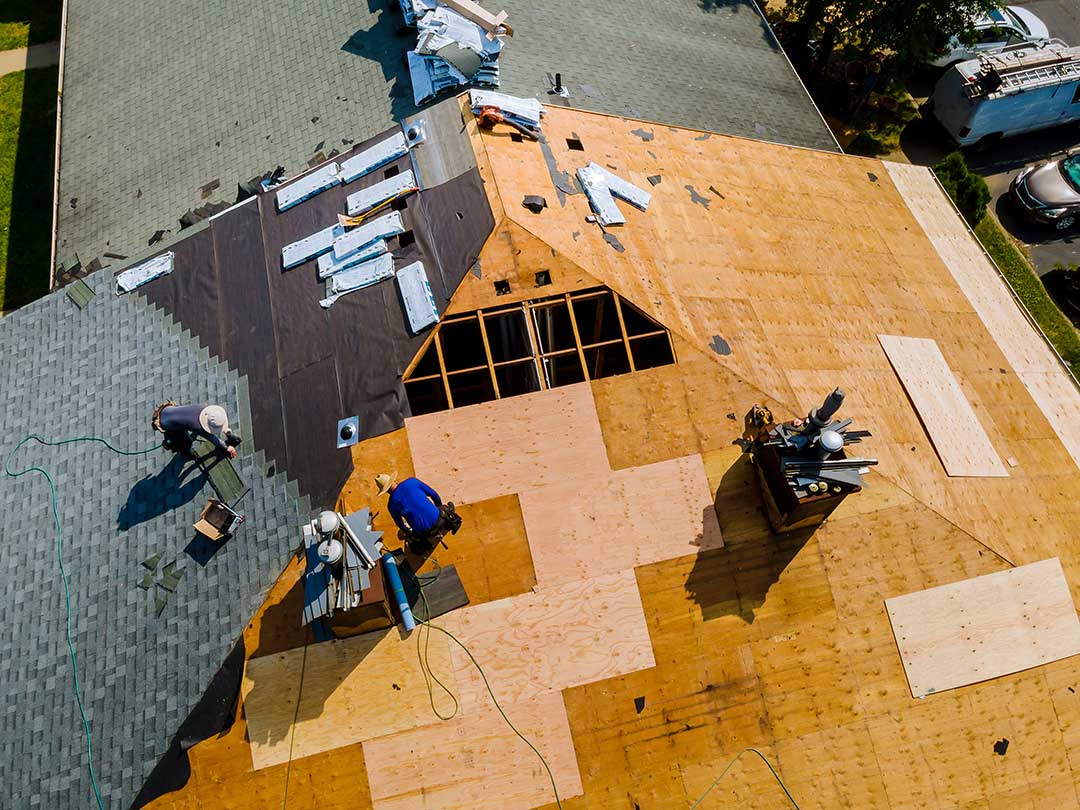
Potentially useful records include:
- The declarations page and relevant policy sections
- Prior inspection reports
- Receipts or contracts for roof installation or repairs
- Records showing the age of the roof
- Maintenance records and photographs taken before the loss
- A detailed list of damaged property
- Receipts for temporary repairs and emergency services
- Estimates or written descriptions of proposed repairs
- Records of additional living expenses if part of the home cannot be occupied
- A copy of every submitted form, photograph, receipt, and written statement
A roof’s age and maintenance history may affect how the insurer evaluates the claim, but they do not by themselves determine whether a loss is covered. Coverage depends on the policy language, the cause of loss, exclusions, deductibles, and the facts established during the claim.
How should communications with the insurer be recorded?
Notify the insurance company promptly and ask what information is required. Keep a claim file in either paper or digital form.
After each phone call, write down:
- The date and time
- The name or identification number of the representative
- What was discussed
- Documents requested
- Deadlines mentioned
- The next expected step
Follow up important conversations in writing with a short summary of what was understood. Keep copies of emails, letters, uploaded files, inspection notices, and claim-related forms.
Do not assume that an inspection means the claim has been approved. An adjuster may document the condition while the insurer continues reviewing coverage, cause, repair costs, and the applicable deductible.
Which roof problems may be confused with other types of damage?
Water entering through a roof is not automatically covered just because it was discovered after rain. The policy may distinguish between sudden storm damage, long-term deterioration, poor maintenance, ice-related conditions, water backup, and flooding.
Flooding has a separate insurance treatment from ordinary roof leakage in many policies. Water entering from surface runoff, rising water, or other flood conditions may not be covered by a standard homeowners policy. A basement leak, foundation seepage, roof leak, and sewer backup can look similar indoors but involve different coverage questions.
Document the path of the water as carefully as possible. Photograph the exterior source, attic area, insulation, framing, ceilings, walls, flooring, and contents. Avoid making a final coverage judgment before reviewing the actual policy.
What should Ithaca residents remember during winter losses?
Snow and ice can conceal roof damage for days. A leak may become visible only after temperatures rise and accumulated ice or snow begins to melt. Freeze-thaw conditions can also make temporary repairs difficult and increase the risk of slippery surfaces.
Record conditions as they are safely visible, including snow depth on lower roof sections, ice buildup near edges, fallen limbs, blocked drainage paths, and interior moisture. Do not remove large amounts of snow or ice from a roof unless the work can be performed without creating a safety hazard or destroying evidence.
Careful documentation gives the claim a clear timeline and helps distinguish storm-related damage from conditions that developed gradually.
