
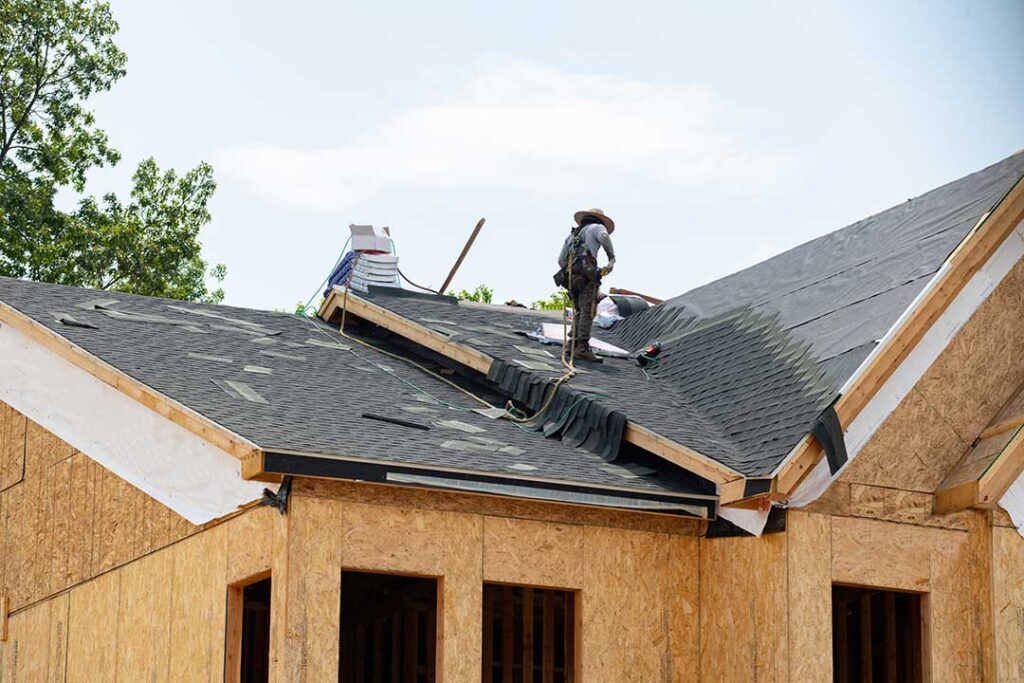
Homeowner’s insurance can help pay for certain roof damage, but it is not a maintenance plan or a guarantee that an aging roof will be replaced. Coverage usually depends on what caused the damage, the condition of the roof before the event, the policy language, the deductible, and whether payment is based on replacement cost or actual cash value.
For homeowners in Ithaca, NY, seasonal conditions make these distinctions especially useful. Heavy snow, freeze-thaw cycles, wind, fallen branches, ice buildup, and intense rain can affect roofing in different ways—and insurance may treat each cause differently.
Does homeowner’s insurance cover roof damage?
Usually, a standard policy covers sudden and accidental damage caused by a covered event. Examples may include:
- Wind lifting or tearing roofing materials
- Hail impact
- A tree or large branch striking the roof
- Damage caused by the weight of snow or ice, depending on the policy
- Fire or lightning
- Water entering after a covered storm damages the roof
Insurance generally does not pay to correct ordinary aging, gradual deterioration, poor maintenance, or a roof that has reached the end of its useful life. If shingles have been deteriorating for years and eventually allow water into the attic, the insurer may view the leak as a maintenance issue rather than a sudden covered loss.
The exact decision comes from the policy and the claim investigation. Similar-looking damage can receive different treatment depending on its cause and timing.
How is storm damage different from an old roof leak?
The central question is often whether a specific event caused the damage.
A roof that is struck by a falling tree during a windstorm presents a clear event. A roof that has slowly allowed water to enter around worn flashing or brittle shingles is more likely to be considered deterioration.
Some situations are less obvious. For example, wind may expose a weak area of an older roof, allowing rain to enter. The insurer may cover the storm-related damage but not the cost of replacing roofing materials that were already worn out. In other cases, the condition of the roof may affect whether any part of the claim is covered.
Photographs taken before and after a storm can help document the roof’s condition. Homeowners should also keep records of repairs, inspections, permits, invoices, and maintenance because those documents may help establish when a problem developed.
What does “replacement cost” versus “actual cash value” mean?
These terms affect how much an insurer may pay.
Replacement cost generally refers to the cost of replacing damaged property with materials of similar kind and quality, subject to policy limits, deductibles, exclusions, and claim requirements. Some policies initially issue a partial payment and release additional amounts after covered repairs are completed.
Actual cash value typically accounts for depreciation. A roof with older shingles may have a lower depreciated value, even if replacing it with comparable materials costs substantially more.
A policy may provide replacement-cost coverage for the building but apply actual-cash-value treatment to certain roof surfaces, older materials, or specific types of loss. The declarations page may not explain every detail, so the full policy wording matters.
Does insurance replace the entire roof after storm damage?
Not necessarily. Insurance generally pays for covered damage, not automatically for every portion of a roof.
If a storm damages one roof slope, a few sections, flashing, vents, or gutters, the claim may be limited to those affected components. A full replacement may be considered if the damage is widespread, if partial repairs cannot reasonably restore the roof, or if applicable building requirements require additional work.
A roof’s age and condition can also affect the settlement. Policies may exclude damage that existed before the storm or reduce payment for materials that were already significantly worn.
Matching concerns can arise when replacement shingles or other materials are no longer available. Whether an insurer must replace undamaged areas to create a uniform appearance depends on the policy, the facts of the loss, and applicable New York insurance rules. It should not be assumed that a color difference automatically qualifies the entire roof for replacement.
Are ice dams and frozen pipes covered?
Coverage for ice dams varies by policy and by the resulting damage.
An ice dam can form when melting snow refreezes near the roof edge, blocking drainage and allowing water to move beneath roofing materials. Some policies cover resulting interior water damage if the event is considered sudden and accidental. The policy may not cover the cost of preventing the ice dam, removing accumulated snow, correcting insulation problems, or repairing long-term roof deterioration.
Frozen pipes are a separate issue. Water damage from a burst pipe may be covered, but policies often require reasonable steps to maintain heat and protect plumbing during cold weather. A vacant or poorly heated home may face exclusions or reduced coverage if precautions were not taken.
In a climate with repeated freezing and thawing, attic ventilation, insulation, roof drainage, and indoor temperature all influence risk. Insurance coverage does not replace those preventive responsibilities.
What should a homeowner do after suspected roof damage?
Safety comes first. Do not climb onto a wet, icy, or storm-damaged roof, and keep away from sagging ceilings, exposed wiring, and unstable trees.
Practical first steps include:
- Photographing visible damage from the ground or another safe location
- Taking pictures of interior staining, wet insulation, damaged ceilings, and affected belongings
- Placing containers under active leaks when safe
- Moving furniture and personal property away from water
- Making temporary measures to prevent additional damage, if they can be done safely
- Saving receipts for emergency materials or temporary lodging
- Not discarding damaged materials until the insurer has had a reasonable opportunity to inspect them
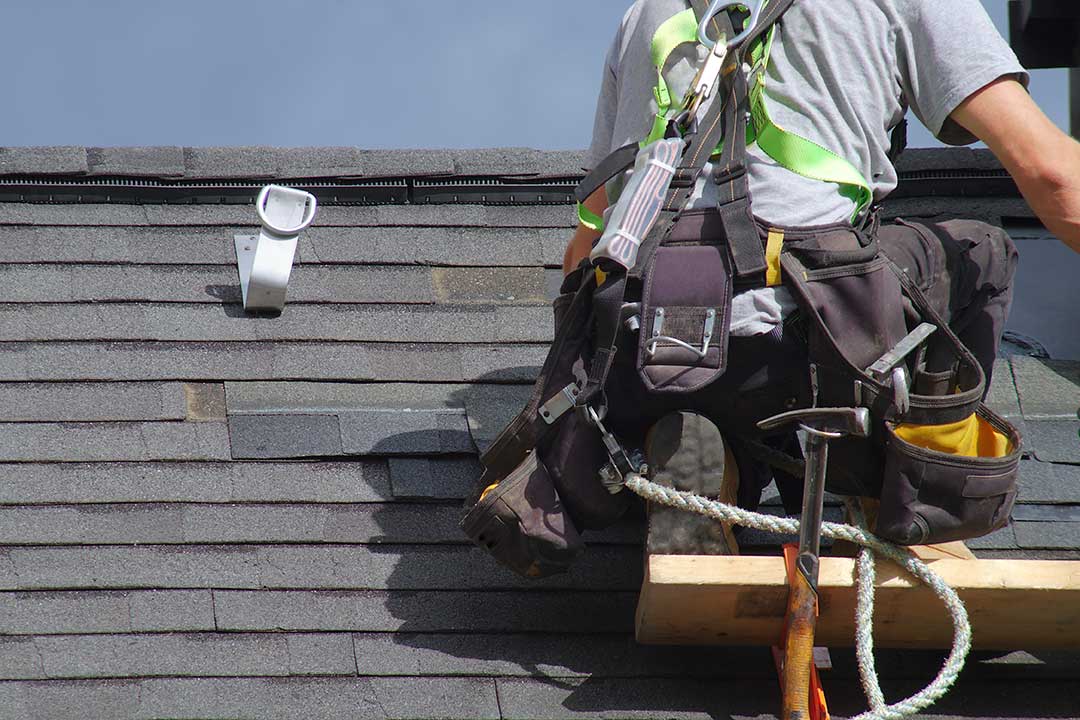
Prompt notice is usually wise. Policies often require the homeowner to report a loss within a reasonable period and to take reasonable steps to prevent further damage. Delaying action can make it harder to distinguish the original storm damage from later deterioration.
Are roof leaks caused by rain always covered?
No. The source and path of the water matter.
Rain entering through a storm-created opening may be treated differently from rain entering through worn shingles, failed flashing, an unsealed penetration, or an area that has leaked repeatedly. Water damage inside the home may be covered even when the roof repair itself is not, but this depends on the policy and the facts.
Flooding is also different from roof leakage. Most standard homeowner’s policies do not cover flood damage. Flood insurance is a separate form of protection and generally addresses water that rises from outside and inundates normally dry land. It does not simply replace coverage for a leaking roof.
Surface water, drainage problems, groundwater, sewer backups, and water from plumbing systems may each fall under different provisions or endorsements.
What policy details should Ithaca homeowners review?
A yearly policy review can answer important questions before a loss occurs. Check:
- The roof’s coverage basis: replacement cost or actual cash value
- Wind, hail, snow, and ice-related exclusions
- The deductible, including any separate percentage-based deductible
- Water-backup coverage and its limits
- Whether matching materials or ordinance-related upgrades are addressed
- Personal property and additional living expense limits
- Requirements for securing a vacant or seasonal home
- Whether detached structures, such as garages or sheds, have separate limits
New York insurers may also offer discounts or underwriting considerations for certain roof improvements, impact-resistant materials, wind-resistant features, or water-detection equipment. Eligibility varies, so the policy should be reviewed rather than relying on assumptions about a particular roof material.
What are common insurance mistakes after roof damage?
A frequent mistake is assuming that a contractor’s opinion determines coverage. A roofing inspection can describe physical conditions, but the insurer decides whether the policy applies. The reverse mistake is also common: assuming an insurer’s first estimate is the final word without reading the explanation of benefits, exclusions, and depreciation calculations.
Other avoidable problems include making permanent repairs before documenting the damage, failing to protect the interior from ongoing water, confusing flood damage with storm-driven rain, and treating a roof’s age as proof that every loss is excluded.
The most useful approach is to understand the policy before severe weather arrives, maintain clear records, document conditions safely, and ask specific questions about cause of loss, depreciation, deductibles, and excluded maintenance issues.
