
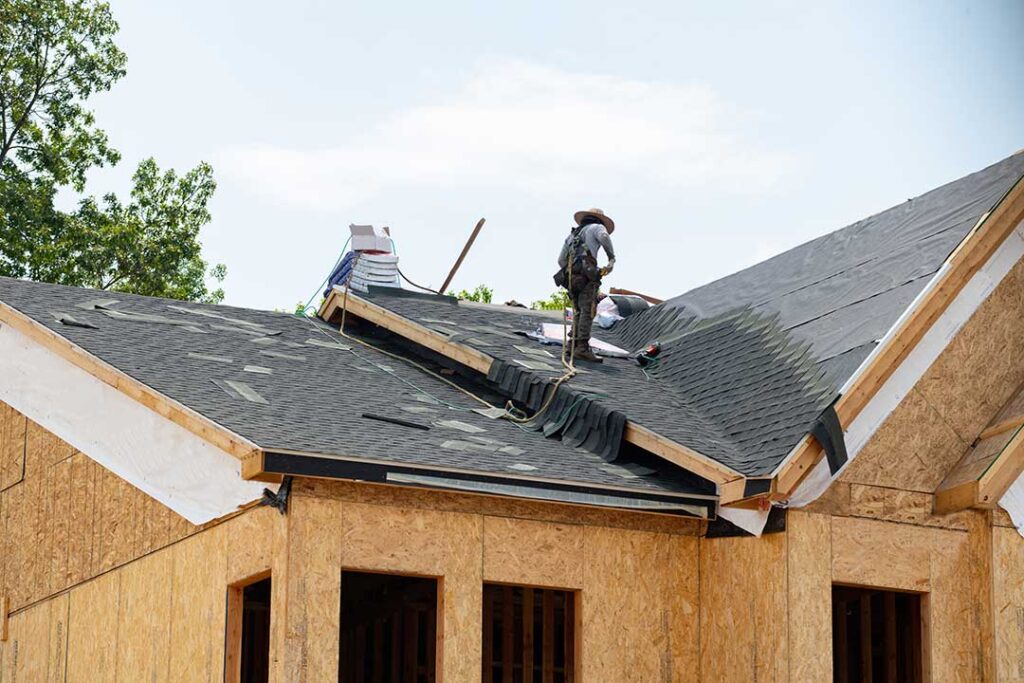
How can homeowners tell whether a roof is aging?
Aging usually appears as a pattern of small changes rather than one dramatic failure. Curling shingles, faded surfaces, loose metal, recurring leaks, and damp attic materials can all indicate that a roof is losing weather resistance.
In Ithaca, NY, roofs face repeated freeze-thaw cycles, heavy rain, snow, wind, ice buildup, and occasional falling branches. These conditions can make an older roof show problems sooner than its original service-life estimate suggests. Age alone does not determine whether replacement is necessary, but it helps explain why certain warning signs deserve attention.
The most useful assessment considers:
- The roof’s material and approximate installation date
- Visible surface damage
- Water entry or attic moisture
- The condition of flashing, drainage, and ventilation
- Whether repairs are isolated or happening repeatedly
What does aging look like on asphalt shingles?
Asphalt shingles often show aging through loss of surface granules, brittle edges, cracking, curling, or missing sections. Granules may collect in gutters, downspouts, or at the ends of roof drainage paths.
Common signs include:
- Shingles that curl upward at the corners or along the edges
- Bald-looking areas where the darker or colored granules have worn away
- Small cracks that run vertically or horizontally through the shingle
- Missing shingles after moderate wind
- Exposed fiberglass mat or dark underlayment
- Uneven patches caused by repeated repairs
A few scattered granules in a gutter are not always a serious concern, especially after installation or a severe storm. A large amount of granule loss across several roof slopes is more significant because the granules protect the asphalt coating from sunlight and weather.
Shingles may also develop dark streaks or patches. These are often caused by algae growth and do not automatically mean the roof is failing. However, moss or thick organic growth can hold moisture against the shingles and lift their edges, particularly on shaded or damp roof sections.
How does an aging metal roof differ?
Metal roofing can remain functional for many decades, but its aging signs are different from those of asphalt shingles. Surface color changes are not always a structural problem. More meaningful concerns include corrosion, failed fasteners, open seams, and water collecting around penetrations.
Look for:
- Rust, especially around cut edges, fasteners, valleys, and roof penetrations
- Loose or missing screws with deteriorated washers
- Seams that have opened or separated
- Panels that have lifted, buckled, or shifted
- Peeling coatings or exposed metal
- Water stains below skylights, chimneys, vents, or seams
- Dents that interfere with drainage
A metal roof can have cosmetic fading while remaining watertight. The more serious question is whether water is reaching the underlayment or roof framing. Repeated leaks in the same location may indicate movement, failed sealant, poor flashing, or a drainage problem rather than a simple surface issue.
What aging signs appear on wood shakes or shingles?
Wood roofing often ages unevenly. The sunny side may dry and split while shaded areas remain damp and develop moss or decay. Normal weathering produces color changes, but advanced deterioration affects the wood’s thickness and strength.
Warning signs include:
- Splits that run through the full thickness of a shake
- Curling, cupping, or distorted pieces
- Soft spots or wood that crumbles when lightly touched
- Missing shakes or shingles
- Widespread moss, lichen, or fungal growth
- Dark decay near valleys, eaves, and roof-wall intersections
Wood roofing requires particular attention to moisture and ventilation. If the roof cannot dry after rain or snow, deterioration may progress below the visible surface. Damaged wood pieces can also allow water behind the roofing and into the sheathing.
How can flat and low-slope roofs show their age?
Flat and low-slope roofs often age through drainage problems, membrane deterioration, and repeated ponding rather than obvious shingle damage. Water may remain on the surface after rainfall or snowmelt, especially if drains, scuppers, or gutters are blocked.
Signs of aging may include:
- Persistent ponding water
- Blisters, bubbles, or raised sections in the membrane
- Cracks at seams and edges
- Open flashing around walls, vents, and roof-mounted equipment
- Loose or deteriorated surface coatings
- Sagging areas beneath the roofing
- Interior stains that appear after rain or thawing
A small amount of temporary water after a storm does not necessarily indicate failure. Water that remains for extended periods, returns to the same locations, or causes membrane distortion is more concerning. Flat roofs also need careful inspection after snow because uneven loading and blocked drainage can increase stress.
What should be checked on slate, tile, or other long-lasting roofs?
Slate and tile roofs may last much longer than common asphalt systems, but their individual pieces and supporting components can still deteriorate. A roof with durable materials can develop leaks because of damaged flashing, failed fasteners, broken tiles, or aging underlayment.
Inspect for:
- Cracked, broken, or slipping slate and tile
- Powdering, flaking, or delamination in natural slate
- Loose ridge, hip, or edge pieces
- Corroded metal flashing
- Open joints around chimneys and roof-wall intersections
- Evidence that repair pieces have been installed unevenly
- Water stains in the attic below valleys or penetrations
Walking on slate or tile can cause damage and may be unsafe. These materials are also heavier and more brittle than many other roofing systems, so inspections should focus on visible evidence from the ground, attic, and safe access points.
Which attic signs reveal hidden roof aging?
An attic can show roof deterioration before the exterior looks seriously damaged. During a dry inspection, look for dark water marks, damp insulation, rusty fasteners, softened wood, or daylight entering through unintended openings.
Important clues include:
- Musty odors that persist after dry weather
- Wet or compressed insulation
- Water stains around vents, chimneys, valleys, or roof edges
- Mold-like growth caused by ongoing moisture
- Rust on metal connectors or nail points
- Frost on the underside of the roof deck during cold weather
- Inadequate airflow through soffit, ridge, or gable areas
Not every attic moisture problem comes from a roof leak. Warm indoor air can condense on cold roof decking when ventilation or air sealing is poor. Distinguishing between rainwater entry and interior condensation helps prevent the wrong repair.
Does roof age alone mean replacement is necessary?
No. A roof’s age is a screening factor, not a final diagnosis. A well-maintained roof may perform beyond its expected range, while a younger roof can deteriorate quickly because of poor drainage, storm damage, installation defects, or repeated moisture exposure.
Replacement becomes more likely when several conditions occur together:
- Damage is widespread rather than limited to one area
- Leaks recur after repairs
- The roof deck is soft, sagging, or deteriorated
- Flashing and drainage components are failing throughout the system
- Shingles or other surface materials are brittle and losing their protective layers
- Interior moisture is affecting insulation, framing, or finishes
For safety, steep roofs, fragile materials, icy surfaces, and suspected structural damage should not be approached casually. A ground-level review, attic check, and examination after major weather can provide useful information without creating unnecessary fall or material-damage risks.
When should a roof be inspected more carefully?
A closer inspection is sensible after strong wind, heavy snow, ice buildup, falling branches, or a leak that returns in the same place. It is also useful when buying an older home, planning interior renovations, or noticing changes in attic temperature and humidity.
Seasonal checks are especially helpful in this region:
- After winter, look for displaced materials, damaged flashing, and ice-related problems.
- During spring rain, watch for ceiling stains and attic dampness.
- Before winter, clear debris from drainage paths and confirm that roof penetrations remain sealed.
- After high winds, examine the ground for loose shingles, metal pieces, or broken slate and tile.
Keeping records of repairs, leaks, and visible changes makes it easier to recognize whether a problem is isolated or part of a broader aging pattern.
