
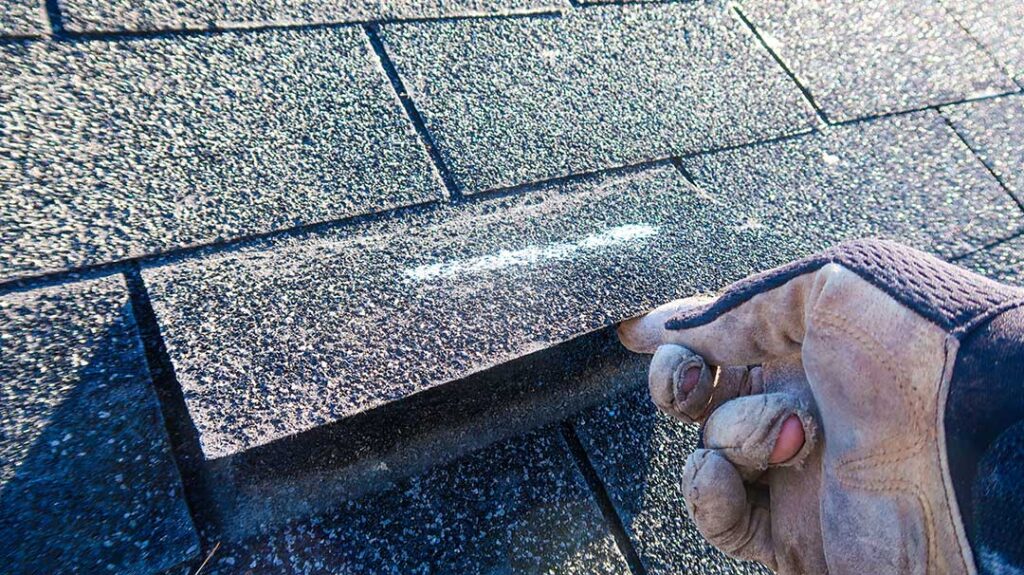
What do curling and cracking shingles mean?
Shingles that curl, crack, or lose their flat shape are signs that the roof covering is aging, stressed, or no longer shedding water as intended. A few damaged shingles may be repairable, but widespread distortion usually points to a larger roofing problem.
In Ithaca, NY, roofs experience repeated cycles of snow, freezing temperatures, thawing, rain, wind, and summer sun. Those changes can speed up the breakdown of asphalt shingles, especially on older roofs or areas with limited ventilation.
Curling usually appears when the edges or corners lift away from the roof surface. Cracking may look like short lines across the shingle, splits along the edges, or a pattern resembling dry, brittle material. Neither condition should be ignored if water stains, exposed underlayment, or missing granules are also visible.
Why do shingles curl?
Shingle curling has several possible causes, and the appearance can help indicate what is happening.
Age and weathering
As asphalt shingles age, they gradually lose flexibility and protective oils. The mat and asphalt become more brittle, allowing the edges to turn upward or the surface to develop cracks.
Curling may begin on the sunniest roof slopes because ultraviolet exposure causes faster drying and deterioration. It can also become more noticeable after a long winter, when repeated freezing and thawing place stress on weakened materials.
Poor attic ventilation
A roof system needs balanced airflow through the attic. Warm, moist air that remains trapped beneath the roof deck can contribute to heat buildup, condensation, and uneven drying.
Poor ventilation does not automatically cause every curling problem, but it can shorten shingle life. Warning signs may include excessive heat in the attic, damp insulation, frost on roof framing during cold weather, or moisture-related staining.
Improper installation
Shingles can curl prematurely if they were not installed on a properly prepared surface, if fastening was inadequate, or if the roof was installed in unsuitable weather. Shingles also need time and sufficient warmth to seal properly after installation.
If curling is concentrated in one section rather than spread across the roof, installation problems, damaged decking, or localized moisture may deserve closer attention.
Manufacturing or material problems
Occasionally, shingles may deteriorate earlier than expected because of a material defect or batch-related issue. This possibility is more relevant when similar damage appears across a relatively young roof.
Keep records of the installation date, product information, and photographs of the damage. Those details can help determine whether the problem is ordinary aging or something unusual.
What causes asphalt shingles to crack?
Cracking is often connected to brittleness, movement, or repeated temperature changes. Common causes include:
- Long-term exposure to sunlight and weather
- Rapid expansion and contraction during temperature swings
- Aging asphalt and loss of flexibility
- Movement in the roof deck
- Improper nailing or fastening
- Foot traffic or impact from maintenance work
- Installation during very cold conditions
Some cracks are surface-level and may not immediately allow water through. Others extend through the shingle and can expose the underlying layers. Cracks around tabs, seams, or fasteners are especially concerning because these areas help keep water from traveling beneath the roof covering.
A roof may look acceptable from the ground while still having small cracks that become active leaks during wind-driven rain or melting snow.
Can one or two damaged shingles be repaired?
A small number of curled or cracked shingles may be replaced without replacing the entire roof, provided the surrounding materials are still in good condition. Isolated damage is more likely to be repairable when it results from a fallen branch, a localized impact, or a single installation error.
Repairs become less practical when:
- Curling appears on many roof slopes
- Shingles crack when gently handled
- Granules are collecting heavily in gutters
- Shingle tabs are missing or lifting
- The roof is near the expected end of its service life
- Water has reached the roof deck or interior finishes
- Previous repairs are numerous or failing
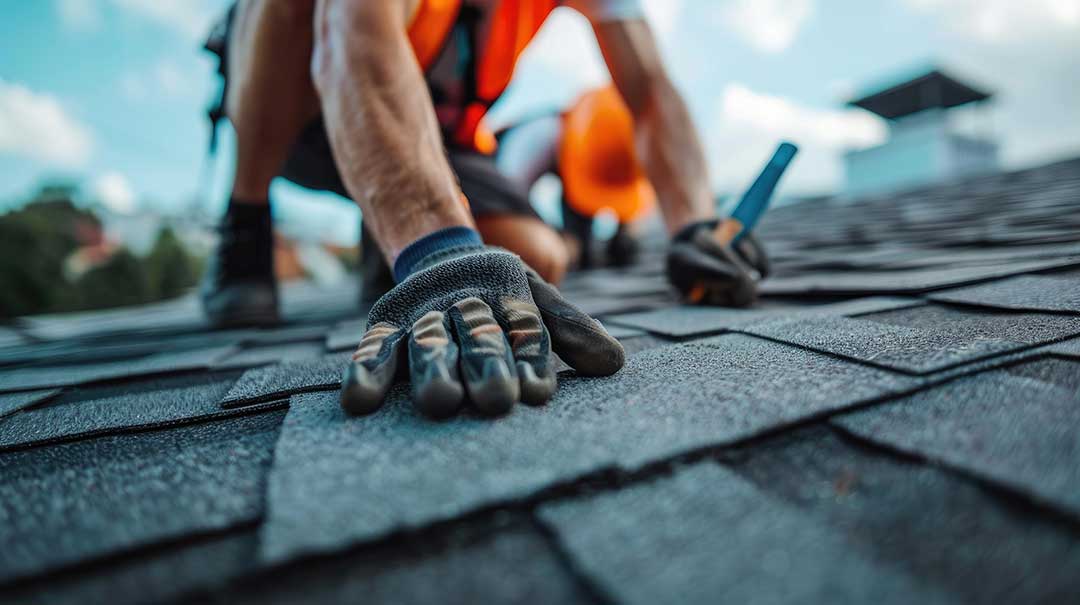
A patch over widespread aging may improve appearance temporarily but will not restore the flexibility or watertight performance of the remaining shingles.
How can homeowners inspect the problem safely?
A ground-level inspection can identify warning signs without placing anyone on a roof. Look for irregular lines, lifted edges, bare-looking patches, missing tabs, and granules gathered at downspout outlets or in gutters.
From inside the attic, check for:
- Darkened or damp wood
- Water marks near roof penetrations
- Rusted nails or metal components
- Musty odors
- Wet insulation
- Daylight visible through the roof deck
Interior evidence does not always appear directly below the damaged shingle. Water can travel along roof framing before entering a ceiling, so a stain may be offset from the original entry point.
Walking on a roof is risky, particularly when shingles are brittle, damp, icy, or steeply pitched. Snow and freezing conditions create additional fall hazards during the colder months.
What should be done after finding curled or cracked shingles?
Begin by documenting the location and extent of the damage with clear photographs. Note whether the problem is limited to one slope, concentrated around a chimney or vent, or spread across the entire roof.
If a temporary covering is needed because water is entering the home, it should be installed in a way that does not trap moisture or create additional damage. Tarps, ladders, and roof access can become dangerous in wind, ice, or heavy rain.
Do not seal every lifted shingle with household caulk. Sealants may provide a short-term measure in limited circumstances, but they are not a substitute for proper replacement. Adhesive products can also make future repairs more difficult and may hide damage underneath.
When leaks are present, protect belongings indoors and place a container beneath active drips. Ceiling materials that are bulging, sagging, or saturated should be treated as urgent because they may fall.
How does local weather affect the repair decision?
Season matters in this region. Cold temperatures can make asphalt shingles stiff and difficult to handle without breakage. Snow and ice can conceal damage, while spring thaw may reveal leaks that began during winter.
Strong wind can lift weakened tabs, and repeated freeze-thaw cycles can enlarge small openings around fasteners and roof penetrations. Summer heat may make shingles more flexible, but working on a hot roof can still damage the surface if it is walked on carelessly.
A roof that appears dry during a mild period may still leak during wind-driven rain or rapid snowmelt. Inspection should consider the roof’s condition across seasons rather than relying on one clear-weather observation.
When does curling or cracking indicate replacement?
Replacement is more likely when damage is widespread, the shingles are brittle throughout, or the roof has repeated leaks. A roof does not need to be actively leaking to require attention; loss of flexibility and extensive surface cracking can reduce its remaining service life.
The condition of the roof deck, flashing, underlayment, and ventilation also matters. Replacing shingles without correcting trapped moisture, damaged decking, or failed flashing can allow the same problem to return.
For safety and accurate assessment, steep roofs, icy surfaces, active leaks near electrical components, and areas with structural damage require qualified assistance. The goal is not simply to make the shingles look flat again, but to determine whether the roof can continue protecting the building through the next cycle of snow, rain, freezing, and thawing.
