
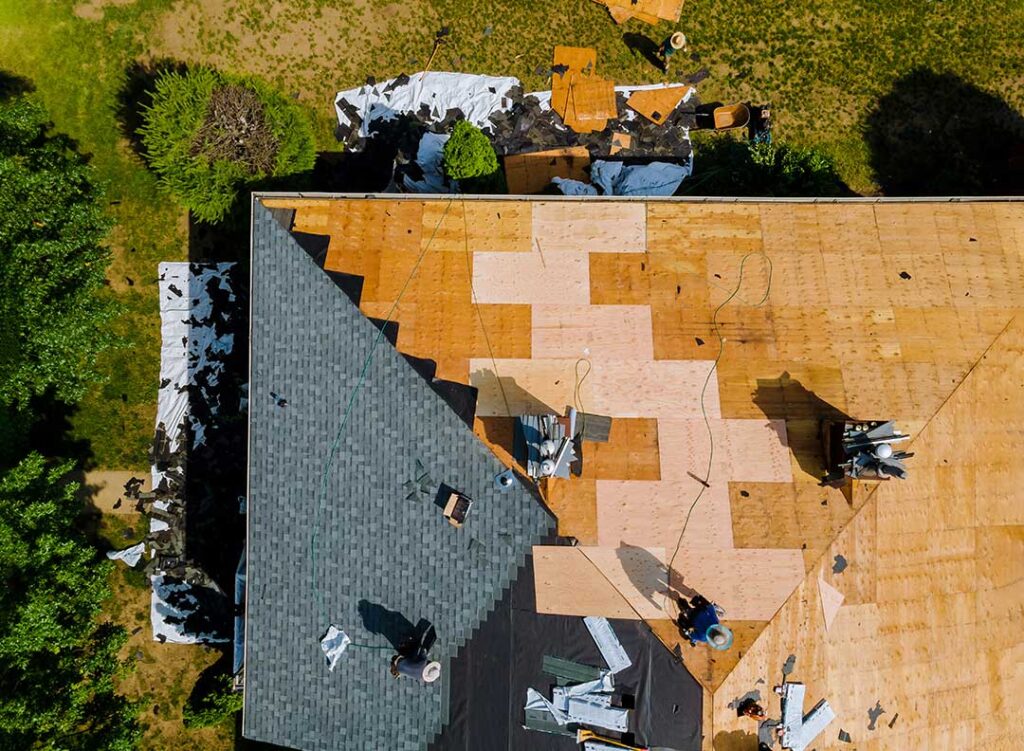
Solar panels can work well on many homes in Ithaca, NY, but the roof should be evaluated as part of the energy project—not treated as a separate concern. Roof age, structural capacity, snow management, flashing, ventilation, and future repairs all affect whether a panel installation will remain practical over time.
Is my roof suitable for solar panels?
A suitable roof is generally structurally sound, has enough usable space, receives adequate sunlight, and is expected to remain serviceable for the life of the solar equipment.
Before panels are installed, consider:
- The roof’s age and remaining service life
- The condition of shingles, membrane roofing, flashing, and underlayment
- The direction and slope of the roof surfaces
- Shade from trees, nearby buildings, chimneys, or dormers
- Existing roof penetrations and drainage patterns
- Whether the framing can support the added dead load and wind forces
A roof that is already near the end of its useful life may need attention before solar work begins. Installing panels over deteriorated roofing can create a difficult repair situation later because the array may need to be removed and reinstalled to replace the roof covering.
Should an older roof be replaced before panels are installed?
Often, yes—but age alone does not determine the answer. A well-maintained roof with substantial remaining life may be suitable, while a newer roof with active leaks or poor flashing may not be ready.
As a practical planning rule, homeowners should compare the expected remaining life of the roof with the expected service life of the solar system. If the roof is likely to need replacement within the next several years, completing that work first may avoid duplicated labor and disruption.
The roof should be checked for:
- Curling, cracking, missing, or loose shingles
- Soft decking or areas that feel uneven
- Water staining in the attic
- Rusted or damaged metal flashing
- Leaks around chimneys, vents, skylights, and roof edges
- Inadequate attic ventilation or moisture problems
Solar panels do not repair an aging roof. They can also make future access more involved, particularly when damaged roofing is located beneath the array.
Can a roof support the weight of solar panels?
Most residential roofs are not automatically unsuitable for solar, but structural capacity must be verified rather than assumed. Panels, racking, attachments, wiring, and snow loads all contribute to the design requirements.
Snow and ice are especially relevant in the Ithaca area. A solar array does not eliminate the weight of accumulated snow, and snow can drift unevenly around roof features or panel edges. The roof framing, rafter spacing, connections, and condition of the roof deck should be considered together.
Structural review is particularly important for:
- Older homes with modified framing
- Roofs with visible sagging
- Additions, porches, or enclosed attic spaces
- Buildings with previous storm or water damage
- Homes where heavy roofing materials have been added over time
- Arrays planned over large spans or complex roof sections
A qualified design and inspection process is necessary when structural capacity, electrical safety, or code compliance is uncertain.
Does snow prevent solar panels from working?
Snow can temporarily reduce or stop electricity production, but it does not automatically make rooftop solar impractical in a cold climate. Panels are often installed at an angle, and sunlight can help melt or slide snow after storms. However, the timing and amount of production will vary during winter.
Several factors influence winter performance:
- Roof slope and panel angle
- Snow depth and moisture content
- Cloud cover and shorter winter daylight
- Shading from nearby trees or structures
- Whether snow slides toward walkways, entrances, or lower roofs
Snow that slides from panels can fall suddenly and with considerable force. Roof layout and snow-shedding patterns should be reviewed before installation. Protective measures may be needed above frequently used doors, sidewalks, parked vehicles, or lower roof areas.
Homeowners should not climb onto a snowy or icy roof to clear panels. Mechanical scraping can damage the panel surface, wiring, or roofing materials. In many cases, waiting for natural melting is safer than attempting removal.
How are solar panels attached without causing roof leaks?
Panels are commonly secured with roof attachments connected to the underlying framing. Each attachment creates a potential water-entry point, so flashing and seal design matter as much as the panel layout.
A sound installation should account for:
- Attachment locations tied to structural framing
- Proper flashing around each roof penetration
- Compatibility between roofing materials and mounting hardware
- Sealing details that can withstand temperature changes
- Drainage paths around rails, wiring, vents, and roof features
- Avoiding unnecessary penetrations where practical
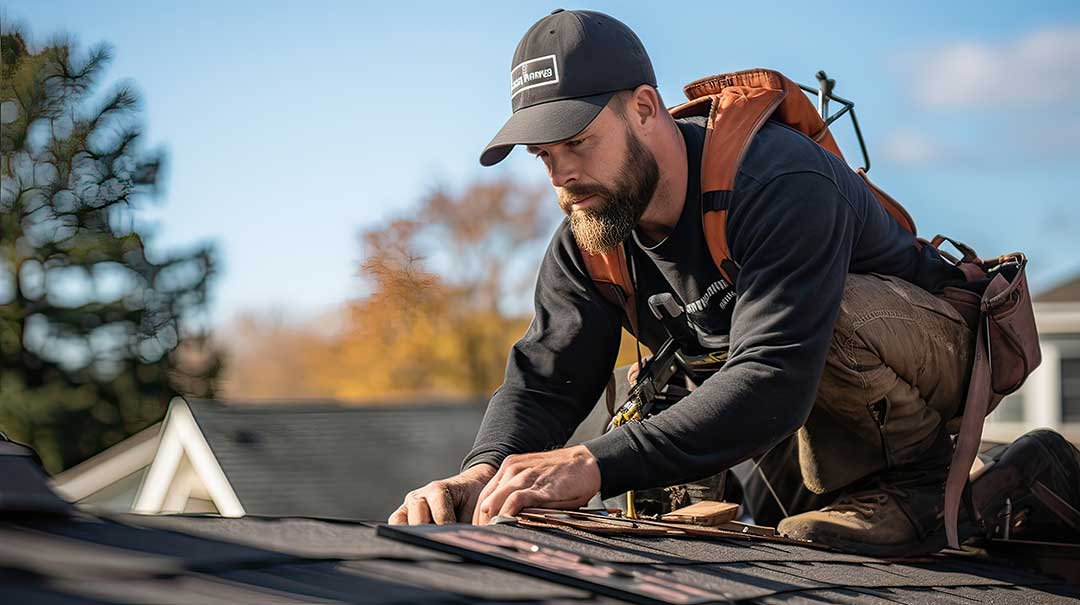
Roof movement, freeze-thaw cycles, ultraviolet exposure, and aging sealants can affect these details over time. A roof that has experienced recurring leaks should be carefully investigated before any new penetrations are added.
Will solar panels interfere with roof ventilation?
They can if the array is designed without accounting for roof vents, ridge ventilation, intake vents, and required fire-access pathways. Panels should not block necessary ventilation or make it impossible to reach important roof areas safely.
Attic ventilation helps manage heat and moisture, but solar panels do not replace proper ventilation. Blocking soffit intakes, ridge vents, or other ventilation components can contribute to condensation and premature deterioration of roof materials.
New York’s building and fire requirements also address rooftop access, pathways, and ventilation around solar photovoltaic systems. Permit requirements and local review apply even when the system is installed on an existing home.
What permits and approvals are involved?
Rooftop solar typically requires electrical and building review before installation, followed by inspection. In Ithaca, the applicable permitting process depends on the property’s jurisdiction and the type of project.
Requirements may address:
- Structural attachment and roof loading
- Electrical equipment and wiring
- Firefighter access and rooftop pathways
- Array placement and clearances
- Utility interconnection
- Historic, zoning, or site-specific conditions
A small residential system may qualify for a streamlined solar permit process in New York, but local officials determine which procedures apply. Permit approval does not replace the need to understand the roof’s condition; it confirms that the proposed work is reviewed under applicable requirements.
What happens when the roof needs repairs later?
Solar panels can complicate roof maintenance because roofing crews may need clear access beneath or around the array. Before installation, homeowners should understand how future repair work will be handled and whether the panel layout leaves practical access to valleys, chimneys, vents, and roof edges.
Keep records of:
- Roof installation or replacement dates
- Roofing materials and warranty information
- Solar layout drawings
- Attachment locations
- Electrical diagrams
- Inspection and permit documents
These records can help identify which parts of the roof are covered by panels and reduce uncertainty during future repairs.
Is ground-mounted solar a better alternative?
A ground-mounted system may be worth considering when the roof has limited sunlight, poor structural conditions, complicated geometry, or a short remaining service life. It avoids roof penetrations and may provide easier access for maintenance, but it requires suitable land, careful snow and vegetation planning, and compliance with local zoning or site requirements.
For some households, improving the roof first and postponing solar is the more sensible sequence. For others, a roof-mounted system may fit well if the structure, roofing, sunlight, and permitting requirements are all addressed together.
The central question is not simply whether panels can fit on a roof. It is whether the roof and solar system can function as one durable, maintainable assembly through heavy snow, freeze-thaw cycles, summer heat, and future roofing work.
