
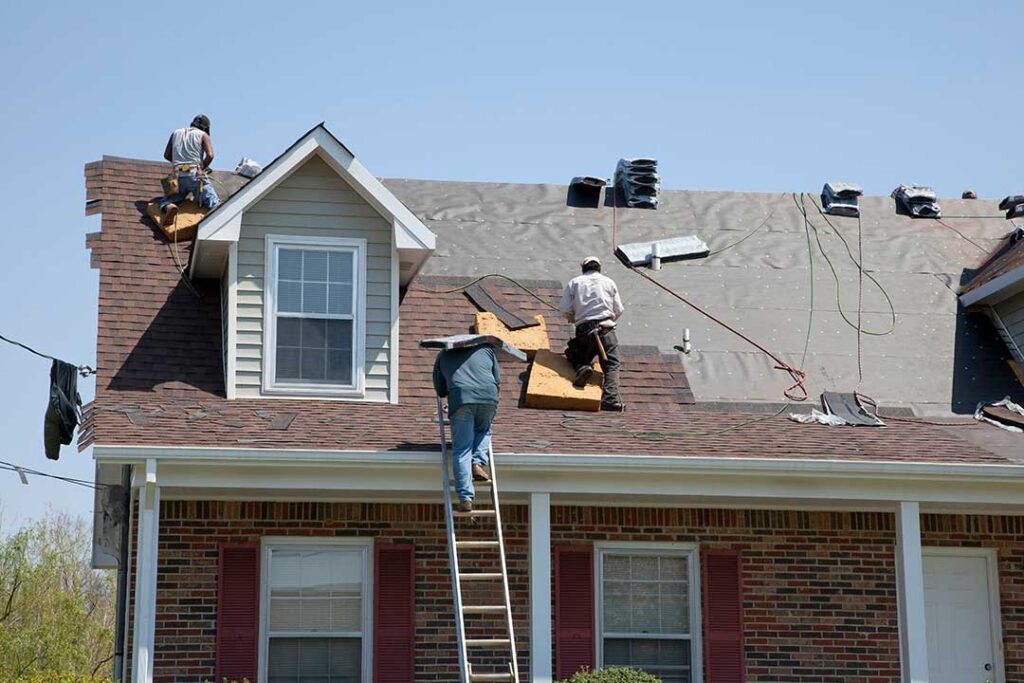
Roof underlayment is the protective layer installed between a roof’s deck and its outer roofing material. It is not the roof’s visible surface, but it helps limit water intrusion, protect the roof structure, and provide temporary coverage during installation.
For homes in Ithaca, NY, underlayment deserves attention because roofs must handle changing conditions throughout the year, including snow, wind-driven rain, freeze-thaw cycles, and occasional ice buildup along roof edges.
What does roof underlayment do?
Underlayment provides a secondary layer of defense beneath shingles, metal panels, or other roofing materials. The outer roof covering sheds most water, while the underlayment helps keep moisture from reaching the wood roof deck if water gets beneath the surface.
It can also:
- Protect the roof deck during construction before the final covering is installed
- Reduce the chance of leaks caused by wind-driven rain
- Separate some roofing materials from the wood deck
- Help limit moisture damage around penetrations, valleys, and roof edges
- Provide a smoother surface for certain roofing systems
Underlayment is not designed to replace properly installed shingles, flashing, ventilation, or drainage. A roof can still leak if any of those parts are damaged or incorrectly installed.
What are the main types of underlayment?
The three most common categories are asphalt-saturated felt, synthetic underlayment, and rubberized or modified bitumen membranes. Each has different characteristics.
Asphalt-saturated felt
Traditional felt underlayment has been used for decades. It is generally made from a paper or fiberglass base saturated with asphalt. Felt is familiar, widely used, and often suitable for basic roofing applications.
Its limitations include a tendency to wrinkle, tear, or absorb moisture if it remains exposed for too long. Once installed, it should be covered within the time period specified for that product and roofing system.
Synthetic underlayment
Synthetic products are made from engineered polymer materials. They are usually lighter than felt, resist tearing better, and may remain stable during handling and installation.
Synthetic underlayment is not automatically waterproof in every application. Performance depends on the product, seams, fasteners, slope, and installation details. Some products are intended primarily as water-shedding layers, while others offer greater resistance to water penetration.
Self-adhering membrane
Self-adhering membranes use an adhesive backing to bond to the roof deck. They are commonly used in areas that need extra protection, such as valleys, eaves, roof-to-wall transitions, and locations around penetrations.
These membranes can be especially useful where water may collect or where ice-related backup is possible. They require a clean, dry, properly prepared surface, and installation can be difficult in cold weather or on dusty, damp, or uneven decking.
Where is underlayment most important?
Underlayment matters across the entire roof, but certain areas are more vulnerable to water entry.
Valleys
A roof valley collects runoff from two roof sections. Water flows through this area during heavy rain and snowmelt, making correct underlayment and flashing installation essential.
Eaves and roof edges
Roof edges can be affected by ice buildup, wind-driven rain, and water backing up beneath the roof covering. Extra protection may be used in these locations, depending on the roof design and applicable requirements.
Penetrations
Plumbing vent pipes, chimneys, skylights, antennas, and other penetrations interrupt the roof surface. Underlayment must be integrated with flashing around these areas rather than simply cut around them.
Roof-to-wall transitions
Where a sloped roof meets a vertical wall, water can collect or move sideways beneath the roofing material. Layered flashing and underlayment details help direct water away from the structure.
Is roof underlayment waterproof?
Some underlayments are highly water-resistant, and certain membranes are designed to resist water penetration. However, no underlayment should be treated as a complete substitute for the roof covering.
Small fastener holes, seams, tears, exposed edges, and installation errors can affect performance. Underlayment also may not be intended for long-term exposure to sunlight, wind, or repeated weathering.
A roof that has only underlayment exposed after a delay in construction may not remain adequately protected. The product’s exposure limitations should be followed rather than assuming all underlayments can serve as temporary roofing.
How does Ithaca’s climate affect underlayment?
Seasonal weather makes underlayment details particularly relevant in the local area. Snow can remain on a roof for extended periods, while warming temperatures may produce runoff that refreezes at colder roof edges. Freeze-thaw movement can also expose weaknesses in seams, fasteners, flashing, and roof-deck surfaces.
Heavy rain accompanied by wind can push water beneath shingles or around roof penetrations. Roofs with low slopes, complex designs, dormers, enclosed valleys, or older flashing may have greater sensitivity to these conditions.
Underlayment cannot prevent every leak caused by ice or snow. Roof pitch, insulation, attic ventilation, air leakage, flashing, drainage, and exterior maintenance all influence how a roof handles winter moisture.
Can underlayment be installed over old roofing?
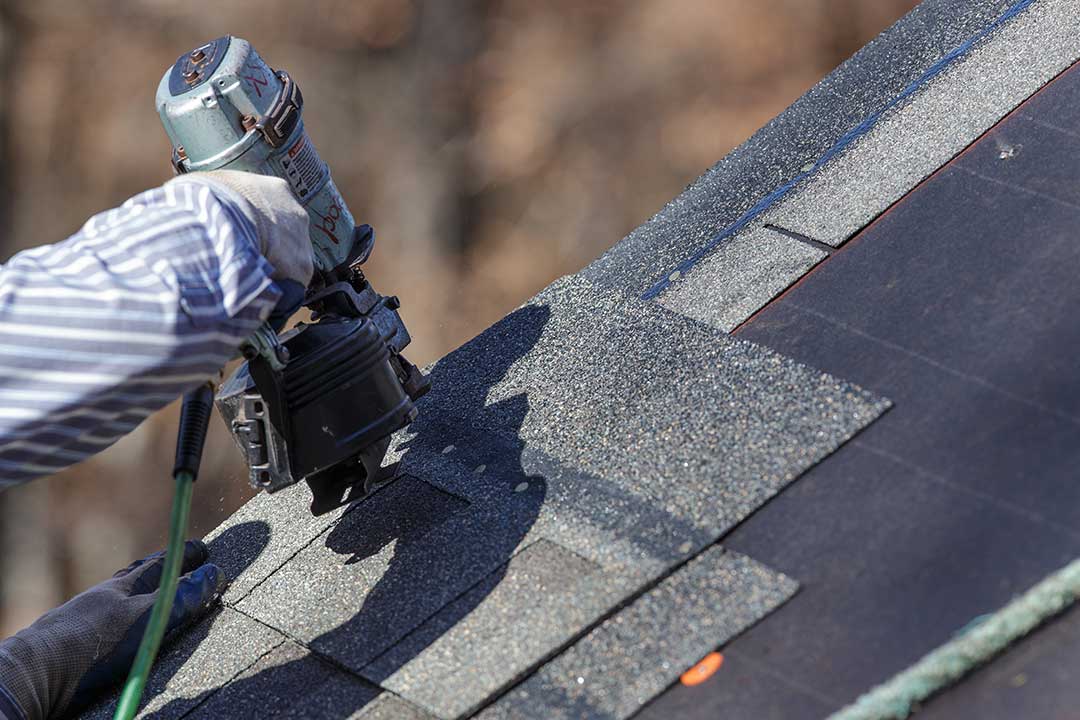
In some roofing projects, underlayment is installed after the old roof covering has been removed and the roof deck has been inspected. This allows damaged, soft, warped, or mold-affected decking to be identified.
Installing new underlayment over an existing roof covering is a different situation. It may not provide the same protection because the old material, fasteners, uneven surfaces, and hidden damage remain underneath. Whether an additional layer is acceptable depends on the roof system, local requirements, material instructions, and the condition of the existing roof.
Underlayment should not be used to conceal a roof deck that is structurally unsound.
What problems indicate underlayment may be damaged?
Underlayment is usually hidden, so it cannot be evaluated fully from the ground. Warning signs may include:
- Water stains on ceilings or upper walls
- Damp insulation in the attic
- Musty odors or visible mold growth
- Leaks that appear after wind-driven rain
- Water around chimneys, skylights, or plumbing vents
- Shingles that are missing, lifted, cracked, or displaced
- Roof decking that feels soft or appears discolored
A leak may begin in one location and travel along the underside of the roof deck before becoming visible indoors. The visible stain is not always directly below the damaged area.
What should homeowners ask about underlayment during a roof project?
Useful questions focus on the complete roof system rather than on the product name alone:
- What type of underlayment is being used?
- Which areas will receive additional membrane protection?
- How will valleys, eaves, penetrations, and roof-to-wall transitions be sealed?
- How long can the material remain exposed?
- What happens if rain or snow occurs before the roof covering is installed?
- Will the roof deck be inspected after the old covering is removed?
- How will the underlayment be fastened and overlapped?
- Are installation practices appropriate for the roof’s slope and design?
The answers should be consistent with the roofing material manufacturer’s instructions and applicable building requirements. A quality underlayment product cannot compensate for poor laps, exposed fasteners, improperly sealed penetrations, or missing flashing.
Roof underlayment is easy to overlook because it disappears beneath the finished roof. Its performance depends less on appearance than on correct selection, careful installation, sound roof decking, and proper integration with flashing and drainage. For local homes exposed to snow, rain, wind, and repeated temperature changes, it is a small component with a significant role in keeping the roof assembly dry.
