
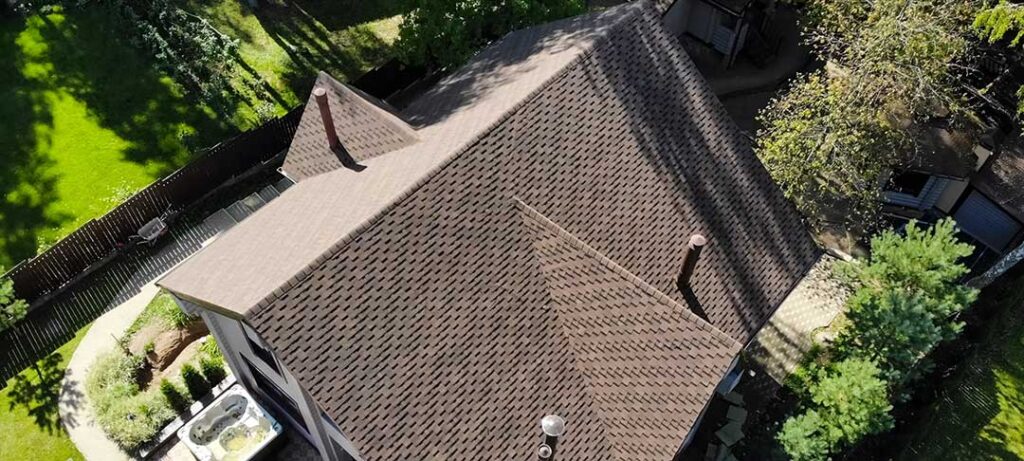
Moss and algae on a roof are common in Ithaca, NY, especially where roofs stay damp, shaded, or covered by nearby trees. Moss is a plant that can lift and loosen roofing materials, while algae usually creates dark streaks or stains without the same root-like growth.
Addressing the growth early can help limit moisture retention and make it easier to identify whether the roof has a cleaning issue, a drainage problem, or signs of aging that need closer attention.
How can moss and algae affect a roof?
Moss can cause more physical damage than algae because it grows in thick mats and holds water against the roofing surface. As moss expands, it may lift shingle edges, interfere with water runoff, and create openings where wind-driven rain can enter.
Algae generally does not damage asphalt shingles as quickly. Its dark discoloration is often mainly a cosmetic concern, although persistent moisture and shade can contribute to broader roof deterioration over time.
Both growth types can point to conditions that deserve attention:
- Excessive shade from trees or nearby structures
- Poor roof ventilation
- Gutters or valleys that remain damp
- Leaves and organic debris collecting on the roof
- Slow drainage or recurring ice buildup
- Older shingles with worn protective surfaces
A small amount of staining is not the same as a thick layer of moss. The condition, location, and age of the roof matter.
Why are moss and algae common in Ithaca?
The local climate creates several conditions that encourage roof growth. Ithaca experiences regular precipitation, humid periods, snow, freeze-thaw cycles, and long stretches when shaded roof surfaces dry slowly. Homes surrounded by mature trees may receive less direct sunlight, while fallen leaves and needles can collect in roof valleys and gutters.
North-facing roof slopes are often more vulnerable because they receive less direct sun. Roof sections beneath overhanging branches may also remain damp after rain or snowmelt. During spring and autumn, organic debris can create a thin layer of material that retains moisture and provides a suitable surface for moss.
This does not mean every shaded roof will develop a problem. Roof pitch, material, ventilation, sunlight, drainage, and maintenance habits all influence the outcome.
How can a homeowner tell whether the growth is moss or algae?
Moss usually appears as a raised green, gray-green, or yellow-green layer. It may look soft or tufted and is often concentrated along shingle edges, in shaded areas, or near roof features that stay wet.
Algae typically appears as flat dark green, brown, or black streaks. It may spread gradually down a slope and is often more visible on lighter-colored roofing.
Lichen can also appear on roofs. It has a crusty, branching, or leaf-like texture and may attach firmly to the surface. Lichen should not be scraped away aggressively because removing it can damage the shingle coating.
If the material is difficult to identify from the ground, binoculars can provide a closer view without requiring anyone to climb onto the roof.
Can moss and algae be removed safely?
Moss and algae can sometimes be treated with a roof-safe cleaning solution and gentle rinsing, but the method must match the roofing material and the severity of the growth. Asphalt shingles are especially vulnerable to damage from aggressive cleaning.
Avoid scraping, stiff brushing, or using a pressure washer. These methods can remove protective granules, break shingle seals, loosen flashing, and shorten the useful life of the roof. Pressure washing may also force water beneath shingles or into areas around vents and flashing.
A safer general approach is:
1. Remove loose leaves and branches from the roof only if this can be done from a stable, safe position.
2. Apply a cleaning treatment specifically labeled for the roofing material.
3. Allow the treatment time to work according to its directions.
4. Let rain gradually rinse away remaining growth when possible.
5. Keep runoff away from sensitive plants, ponds, and areas where pets or children may be exposed.
Some cleaning products contain chlorine-based ingredients or other chemicals that can harm vegetation, corrode metal, or discolor exterior surfaces. Product directions should be followed carefully, and protective measures may be necessary around landscaping.
Roof access becomes especially dangerous when shingles are wet, icy, steep, or covered with moss. A fall risk is a genuine reason to avoid do-it-yourself work.
Is household bleach safe for roof moss and algae?
Household bleach is not automatically safe for roofing. Concentrated or improperly applied bleach can damage plants, metal components, painted surfaces, and some roofing materials. It may also create hazardous runoff.
Cleaning products should be selected based on the roof covering and used at the labeled dilution. Mixing bleach with ammonia, acids, or other cleaners can create dangerous fumes. Even a product that removes algae effectively may be unsuitable if it harms the shingles or surrounding property.
The goal is not to make the roof look immediately perfect. A slower treatment that preserves the roof surface is generally preferable to aggressive cleaning that causes permanent damage.
How can moss and algae growth be prevented?
Prevention focuses on reducing shade, moisture, and debris. It is not always possible to eliminate every contributing condition, but several practical steps can help:
- Keep gutters and downspouts clear so water drains away from the roof.
- Remove leaves and small branches before they form damp, compacted layers.
- Trim branches that rest on or heavily shade the roof, while avoiding unnecessary tree damage.
- Check attic ventilation and insulation if the roof remains damp long after nearby surfaces dry.
- Watch for recurring moisture around chimneys, skylights, plumbing vents, and roof valleys.
- Keep roof surfaces free of accumulated organic material.
- Replace missing or damaged shingles before water reaches the underlying layers.
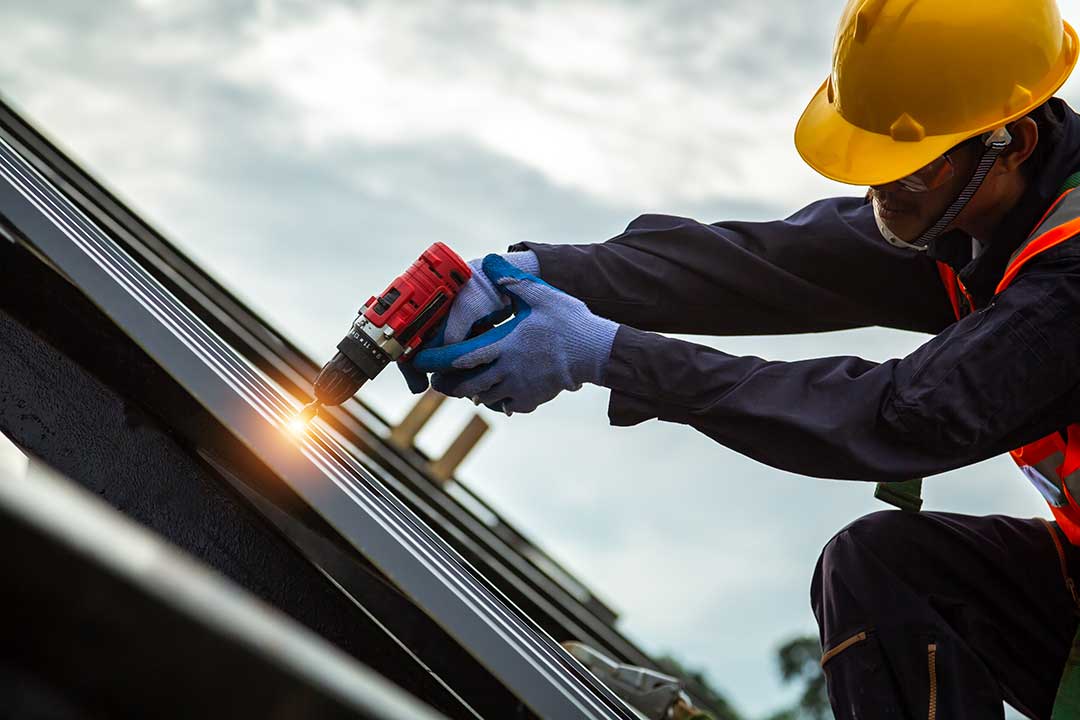
Metal strips installed near the roof ridge are sometimes used to discourage moss and algae because rainwater carries small amounts of metal across the roof surface. These products are not appropriate for every roof and should not be installed by removing or disturbing shingles unnecessarily.
Will roof moss come back after cleaning?
Moss and algae can return if the underlying conditions remain unchanged. Cleaning removes existing growth, but it does not eliminate shade, moisture, debris, or poor drainage.
Regrowth may be faster on roofs beneath dense tree cover or on slopes that receive little sunlight. After cleaning, regular gutter maintenance and occasional roof observation are usually more useful than repeated harsh treatments.
A roof that develops moss repeatedly may also have a ventilation, drainage, or surface-wear issue. Look for lifted shingles, exposed fasteners, sagging areas, water stains in the attic, or granules collecting heavily in gutters.
When is roof growth a sign of a larger problem?
Moss or algae deserves closer attention when it appears with visible roof damage or interior moisture. Warning signs include:
- Shingles that are curling, cracked, loose, or missing
- Dark stains or damp insulation in the attic
- Water marks on ceilings or upper walls
- Sagging roof sections
- Rusted or separated flashing
- Heavy moss concentrated along one valley or roof edge
- Granules collecting in gutters or at downspout outlets
In these situations, cleaning alone may not solve the problem. Walking on the roof can worsen damage and create a safety hazard, particularly during wet or freezing weather. An inspection may be appropriate when the roof is steep, difficult to access, structurally questionable, or showing signs of leakage.
For many area households, the most effective long-term approach is simple: keep drainage paths clear, limit excess shade where practical, avoid abrasive cleaning, and treat moss before it becomes thick enough to lift roofing materials.
