

What does hurricane season mean for Ithaca, NY?
Hurricane season can affect Ithaca even when a storm does not arrive as a direct hurricane. Tropical storms and hurricane remnants may bring strong wind, heavy rain, saturated ground, falling branches, and extended power outages. Roof preparation is mainly about reducing weak points before severe weather arrives.
The Atlantic hurricane season officially runs from June 1 through November 30. Storms that reach the Northeast often lose some tropical strength, but they can still produce damaging wind and rainfall. Local homes may also face additional problems from mature trees, aging roofing materials, clogged drainage systems, and repeated freeze-thaw wear from earlier seasons.
A roof does not need to be visibly failing to have storm vulnerabilities. Loose flashing, lifted shingles, blocked gutters, and deteriorated sealants can become entry points for water during wind-driven rain.
What should be checked on the roof before a storm?
Start with a ground-level inspection, then examine accessible areas from a safe location. Do not walk on a steep, wet, or damaged roof.
Look for:
- Missing, cracked, curled, or loose shingles
- Exposed fasteners or gaps around flashing
- Damaged ridge caps and roof edges
- Loose metal components around vents, chimneys, and skylights
- Sagging areas or visible dips in the roof surface
- Dark staining, damp insulation, or water marks in the attic
- Moss or debris that may conceal damaged materials
- Tree limbs touching or hanging over the roof
The roof edge deserves particular attention because wind pressure can begin at eaves, rakes, and corners. Shingles that appear intact in the center of a roof may still be loose along the perimeter.
A small repair before severe weather is generally easier to manage than water entering through a damaged flashing joint during a storm. However, roof inspections should be postponed during rain, high wind, or lightning.
How can gutters and downspouts reduce storm-related roof damage?
Clean gutters and properly directed downspouts help move heavy rainfall away from the roof and foundation. They do not make a roof hurricane-proof, but they reduce the chance that water will back up beneath roofing materials or collect near the building.
Before hurricane season:
- Remove leaves, twigs, sediment, and roof granules from gutters.
- Confirm that downspouts are securely attached.
- Make sure water exits several feet away from the foundation where practical.
- Check for sagging gutter sections and separated seams.
- Clear debris from valleys and areas where roof sections meet.
- Inspect gutter guards for buildup or displacement.
In Ithaca, spring debris and summer storms can fill drainage systems before the most active part of hurricane season. A gutter that handled ordinary rainfall may overflow during a tropical system, especially if nearby trees shed leaves or small branches.
Do not rely on gutters alone. Roof valleys, flashing areas, and drainage paths should also be clear of debris.
Should trees and outdoor objects be addressed?
Yes. Wind damage often begins with objects around the house rather than with the roof covering itself.
Inspect trees for dead limbs, broken branches, trunk damage, or limbs that could strike the roof, chimney, vehicles, or utility lines. Pruning near electrical equipment requires special caution. Never attempt to cut branches that are touching or close to power lines.
Secure or move items that could become airborne, including:
- Patio furniture
- Umbrellas and canopies
- Lightweight decorations
- Empty containers and garden tools
- Loose building materials
- Portable equipment and children’s outdoor items
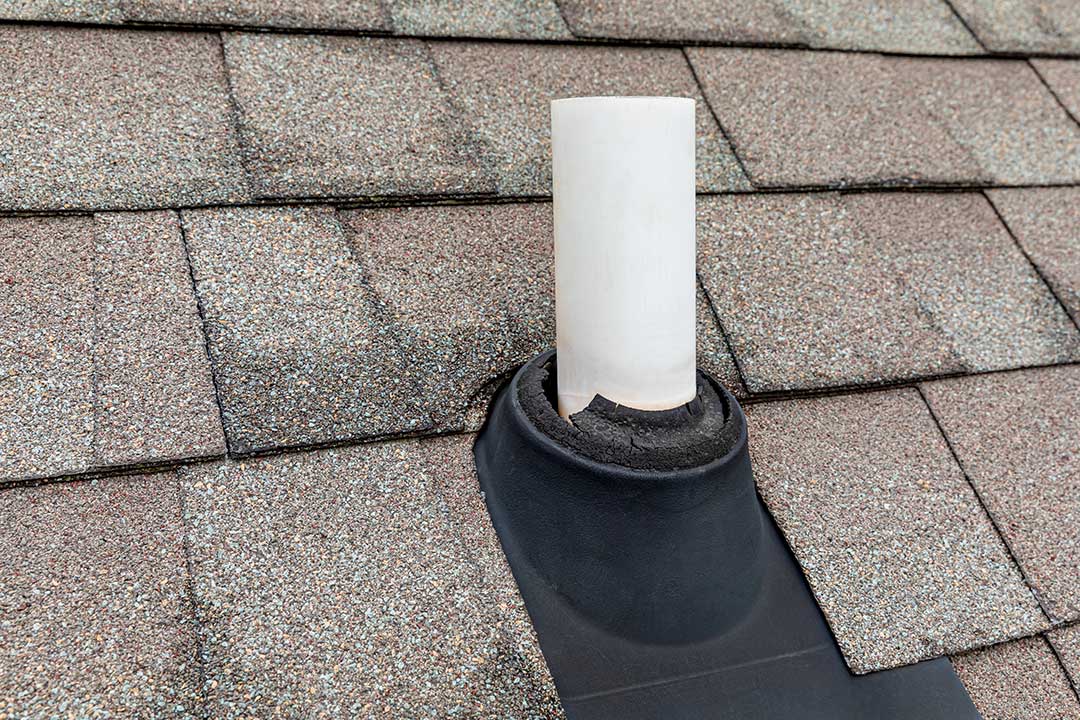
A branch that does not appear large enough to damage the roof can still break shingles, puncture flashing, block gutters, or damage a vent. Keep ladders, tools, and other loose items stored where wind cannot move them.
What should be checked in the attic?
The attic can reveal roof problems that are not obvious from outside. Inspect it during daylight and look for moisture marks, daylight coming through roof boards, musty odors, damp insulation, and rust around fasteners or metal components.
Pay close attention after heavy rain. Water may travel along rafters before appearing on the ceiling below, so the interior stain may not be directly beneath the roof opening.
Ventilation also matters. Blocked soffit vents, damaged ridge vents, or poorly protected openings can allow moisture to accumulate. Attic ventilation does not prevent storm damage by itself, but it helps manage humidity and drying between weather events.
Do not enter an attic if the ceiling is sagging, electrical wiring appears damaged, insulation is wet near electrical equipment, or structural damage is visible.
Are roof repairs safe to do before a hurricane?
Some ground-level maintenance is reasonable, but roof work becomes hazardous quickly. Cleaning accessible gutters with proper equipment may be manageable for some homeowners, while climbing onto a roof to replace shingles or seal flashing can lead to falls and additional damage.
Avoid roof work when:
- The surface is wet, icy, steep, or unstable.
- Wind is present or severe weather is approaching.
- The roof has sagging sections or visible structural damage.
- A ladder would need to rest near power lines.
- The work requires walking on fragile roofing materials.
- There is uncertainty about how to complete the repair safely.
Safety becomes more urgent after a storm. Treat downed wires, unstable trees, exposed nails, broken skylights, and partially collapsed roof sections as hazards. Temporary protection should only be attempted from a stable, safe position and never during active severe weather.
How should skylights, chimneys, vents, and roof edges be prepared?
Penetrations and transitions are common leak locations because they interrupt the main roof surface. Check the visible flashing around chimneys, plumbing vents, skylights, dormers, and roof-to-wall intersections.
Look for separated metal, cracked masonry joints, missing sealant, lifted flashing, or deteriorated rubber components. Sealant is not a substitute for properly installed flashing. Applying new material over a failing joint may hide the problem without stopping water entry.
Roof edges should also be checked for loose fascia, soffit panels, and trim. Wind can enter openings under the edge and lift roofing materials from below. Garage roofs, porch roofs, additions, and sheds may require separate attention because they can have different construction and drainage patterns.
What should homeowners do after a major storm?
Wait until wind, lightning, and flooding hazards have passed before inspecting the property. From the ground, look for missing roofing, fallen branches, displaced gutters, hanging materials, and water entering the attic or living areas.
If water is entering, place containers under active drips only where it is safe to do so. Move furniture and electronics away from the leak if electrical hazards are not present. Do not touch wet electrical equipment or enter rooms with bulging ceilings.
Take clear photographs from safe locations and record the approximate time and weather conditions. Avoid disturbing damaged areas until immediate hazards have been addressed. Emergency roof coverings should be installed only when they can be placed safely and securely; loose plastic sheeting can create additional wind hazards.
Preparation is most effective when completed before a storm is forecast. A clean drainage system, secure roof accessories, trimmed hazardous limbs, and early attention to visible defects can reduce the chance that heavy rain and wind will turn a minor weakness into a major interior leak.
