
Can a sports ball really damage a roof?
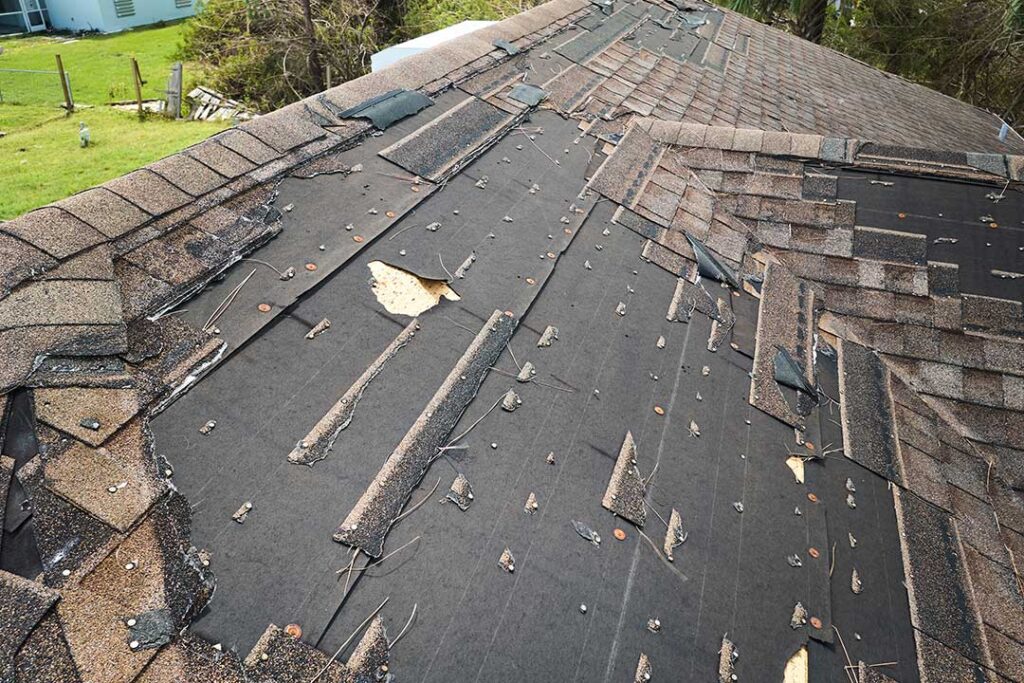
Yes. A baseball, softball, lacrosse ball, hockey ball, soccer ball, or similar object can damage roofing materials when it strikes with enough speed. The result may be obvious, such as a cracked skylight or broken roof vent, or subtle, such as a loosened shingle or a small puncture that later allows water to enter.
The risk is greatest when balls are thrown or hit near a house, garage, porch roof, dormer, or other structure. Roof damage is also more likely when roofing materials are already weakened by age, repeated freeze-thaw cycles, wind, or previous impact.
For households in Ithaca, NY, this issue can be especially relevant during spring, summer, and early fall, when children and adults spend more time playing in yards, driveways, and shared outdoor spaces.
Which types of balls are most likely to cause damage?
The harder and heavier the ball, the greater the potential for impact damage. However, even a relatively light ball can cause trouble if it is moving quickly or hits a vulnerable component.
Common examples include:
- Baseballs and softballs, which can crack shingles, dent metal flashing, break vent covers, or damage skylights.
- Lacrosse balls, which are dense and hard enough to cause concentrated impact damage.
- Hockey pucks and hard training balls, which may damage roofing if they are lifted into the air.
- Golf balls, which can break glass and damage exposed roofing components.
- Soccer balls and basketballs, which are less likely to puncture roofing but may loosen shingles, damage gutters, or break plastic fixtures when kicked or thrown forcefully.
- Tennis balls and similar soft balls, which usually cause cosmetic damage but can still dislodge lightweight components.
The point of impact matters as much as the type of ball. A hit to the broad, flexible surface of an asphalt shingle may leave only a scuff. A hit to a ridge vent, plumbing boot, skylight, gutter, or metal edge can create a more serious problem.
What parts of a roof are most vulnerable?
Roofing systems contain more than shingles. Several smaller components are more sensitive to impact than the main roof surface.
Shingles
A ball can crack, split, or dislodge an asphalt shingle. A damaged shingle may not leak immediately, especially during dry weather. Water can enter later when rain, melting snow, or wind-driven precipitation reaches the exposed area.
Impact may also remove protective granules from the shingle surface. Granule loss can appear as a lighter-colored spot, a rough patch, or loose granules in the gutter.
Flashing
Flashing is the thin material installed around chimneys, walls, roof valleys, skylights, and other transitions. A direct strike can bend or loosen it, creating a path for water.
Because flashing is often located at changes in roof angle, damage may be difficult to see from the ground.
Vents and plumbing boots
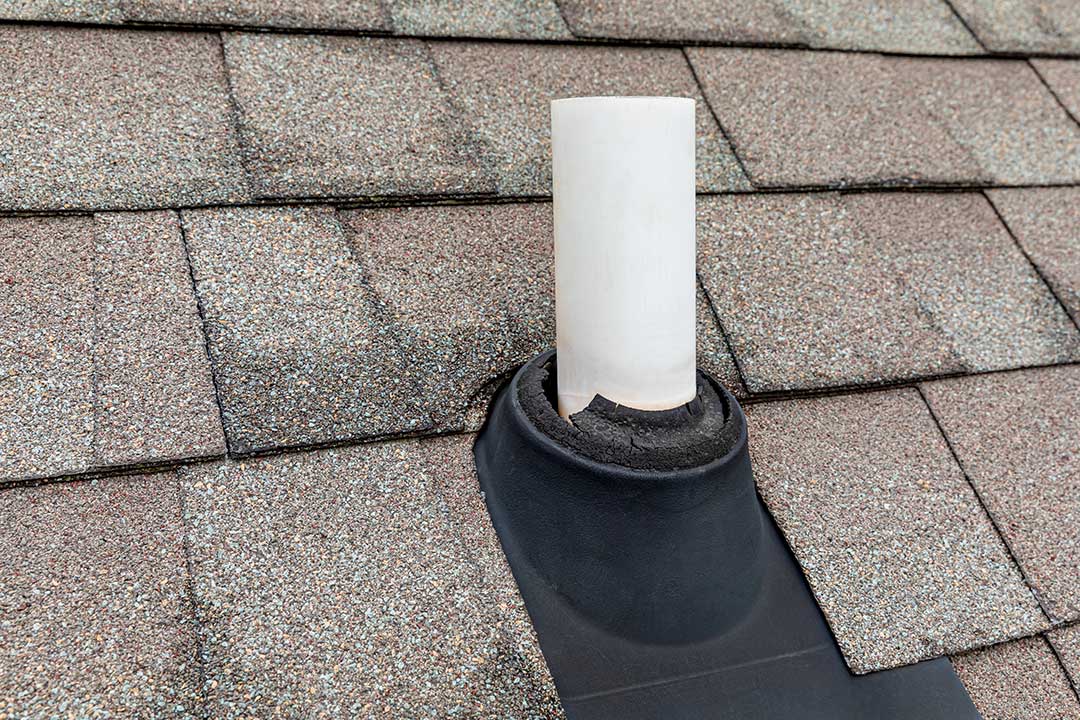
Roof vents and plumbing vent boots commonly extend above the roof surface. Their exposed shape makes them easy targets. A cracked plastic cap, bent metal cover, or split rubber seal may permit water into the attic or ceiling cavity.
Skylights and roof windows
Glass and plastic skylights can crack or shatter from a direct impact. Even a small crack can spread with temperature changes. A damaged skylight should be treated as a safety concern, particularly if fragments are visible indoors.
Gutters and downspouts
A ball can dent a gutter, pull it away from the fascia, or damage a downspout connection. The roof itself may remain intact, but poor drainage can cause water to spill against siding, trim, foundations, or walkways.
What does impact damage look like?
Some signs are visible from the ground, while others require a closer inspection. Look for:
- A missing, lifted, or crooked shingle
- A dark or exposed patch on the roof surface
- Cracked, bruised, or split roofing material
- Fresh dents in metal flashing, gutters, or vent covers
- Broken skylight glass or visible cracks
- Granules collecting below one localized area
- Water stains on ceilings or upper walls
- Damp insulation, musty odors, or dripping in the attic
- A loose piece of roofing material after a game or accident
A bruise in an asphalt shingle may be harder to recognize. It can appear as a small depression, a circular mark, or a section where the surface granules have been disturbed. Pressing on roof materials or climbing onto the roof to investigate can cause additional damage and create a fall hazard.
Can a ball cause a roof leak even if there is no visible hole?
Yes. Roof leaks do not always begin with a large opening. A ball may crack a seal, loosen a flashing edge, or lift a shingle enough to allow water underneath. Wind and repeated wetting can then enlarge the affected area.
Leaks may also appear far from the original impact point. Water can travel along roof decking, rafters, insulation, or framing before becoming visible on a ceiling. For that reason, an indoor stain does not always identify the exact location of roof damage.
If a leak appears soon after a ball strikes the roof, the timing is useful information, even if the exterior damage is not obvious.
What should residents do after a ball hits the roof?
Start with safety. Do not climb onto a wet, steep, icy, or damaged roof. In Ithaca, seasonal moisture, snow, and freeze-thaw conditions can make roof surfaces unstable even when they appear manageable from the ground.
From a safe location, check for:
- Missing or displaced shingles
- Broken skylights
- Damaged vents or flashing
- Loose gutters
- Debris in the yard or gutter system
- Water entering the attic or upper floors
If water is actively entering the home, place a container beneath the drip and move furniture or electronics away from the area. Avoid touching wet electrical fixtures or wiring. A damaged skylight, exposed roof opening, or sagging ceiling requires prompt attention because the risk involves both water intrusion and personal safety.
Temporary measures should not involve walking across the roof or covering damage with unsecured materials. A tarp can become dangerous in wind and may worsen damage if installed incorrectly.
Are older roofs more vulnerable to ball impacts?
Often, yes. Roofing materials become less flexible and more brittle with age. Older shingles may crack more easily when struck, while aging sealants and rubber components may already be near the end of their service life.
A roof that has recently experienced wind damage, heavy snow loads, ice buildup, or repeated temperature changes may also be more vulnerable. In these situations, the ball may be the event that reveals an existing weakness rather than the only cause of the damage.
This distinction can matter when documenting what happened. Note the approximate date, the type of ball, where it struck, visible damage, and any later signs of leakage. Photographs taken safely from the ground can help preserve a clear record.
How can ball-related roof damage be prevented?
The most effective prevention is to keep high-speed play away from rooflines and roof-mounted equipment. Practical steps include:
- Aim baseball, lacrosse, and similar games away from buildings.
- Use a net or designated practice area where appropriate.
- Avoid throwing or kicking hard objects in driveways bordered by houses.
- Keep goals and rebound surfaces positioned away from windows, gutters, and low roof sections.
- Teach children not to retrieve balls by climbing onto roofs.
- Trim branches that make it easier for balls to land on or scrape against roofing.
- Inspect roof-mounted fixtures after an unusual impact, especially before the next period of heavy rain or snow.
A sports ball does not need to puncture a shingle to create a problem. Damage to flashing, drainage components, vents, and seals can be just as significant. Promptly recognizing those vulnerable areas can prevent a minor impact from becoming a larger moisture problem.
