
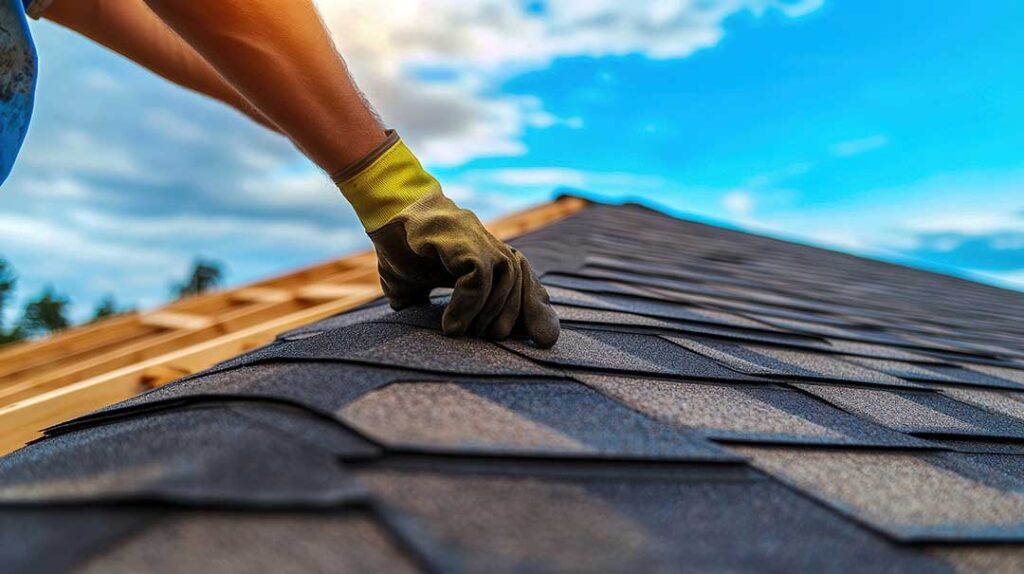
A roof cricket is a raised, peaked structure installed behind a chimney or another wide roof penetration. Its purpose is to divide water and snow so they flow around the obstruction instead of collecting against its uphill side.
For homes in Ithaca, NY, where roofs experience rain, freeze-thaw cycles, and substantial winter snow, a properly designed cricket can be an important part of roof drainage and flashing protection.
What does a roof cricket look like?
A cricket resembles a small gable roof built into the main roof. It has two sloping sides and a central ridge that runs perpendicular to the main roof ridge.
The cricket is usually located on the ridge side of:
- A masonry chimney
- A wide plumbing or mechanical penetration
- A large skylight or roof opening
- Certain raised rooftop structures
The structure may be framed with lumber and covered with metal, shingles, membrane roofing, or another compatible roof material. Its size and shape depend on the roof slope, the width of the obstruction, the roofing system, and the amount of water the area must handle.
A cricket is sometimes called a saddle. In everyday roofing language, the terms may be used interchangeably, although specific construction details can vary.
Why is a cricket needed?
Water naturally moves downhill across a roof. When it reaches a chimney or wide penetration, the obstruction interrupts that path. Without a way to redirect the flow, water can slow down, pool, or move sideways into vulnerable joints.
A cricket creates a higher point behind the obstruction and divides the drainage path. Instead of allowing water to press directly against the uphill side of a chimney, the cricket guides it toward both sides.
This helps reduce the risk of:
- Deteriorated flashing
- Water entering beneath shingles or other roof coverings
- Rot in roof sheathing or framing
- Staining on ceilings and upper walls
- Ice buildup around the chimney
- Snow accumulation against the roof penetration
The cricket does not replace flashing. It works together with base flashing, step flashing, counterflashing, underlayment, and the roof covering to form a continuous water-shedding system.
How does a cricket help with snow?
Snow is heavier and less predictable than rain. It can remain on a roof for days, melt during warmer periods, and refreeze when temperatures fall. This repeated movement is especially relevant in the local climate.
A chimney can act as a barrier that causes snow to pile up on its uphill side. Meltwater from that pile may then travel beneath the roof covering or enter through weak flashing joints. Refreezing can also create ice formations that place pressure on flashing and roofing materials.
A cricket does not eliminate snow accumulation. Instead, it helps break up the snow mass and provides a more defined route for meltwater. A steeper or larger design may improve drainage, but the correct proportions depend on the roof and the obstruction.
Snow should not be removed from a roof by walking on steep or icy surfaces. Improper clearing can damage shingles, flashing, gutters, and the roof structure, as well as create a serious fall hazard.
Are roof crickets required by building code?
Many versions of the International Residential Code require a cricket or saddle on the ridge side of a chimney or penetration wider than 30 inches, measured perpendicular to the roof slope. The exact requirements applied to a particular property depend on the locally adopted code, the building type, the roofing material, and the design details.
A code requirement is only one part of the issue. Even when a cricket is not mandatory, a roof designer may consider one useful for improving drainage behind a wide obstruction.
Smaller penetrations, such as ordinary plumbing vents, usually do not need a framed cricket. They are generally protected with a properly integrated flashing system designed for that type of penetration.
What is the difference between a cricket and flashing?
A cricket changes the shape of the roof to redirect water. Flashing is the water-resistant material installed at roof transitions, edges, walls, and penetrations.
A chimney assembly commonly includes:
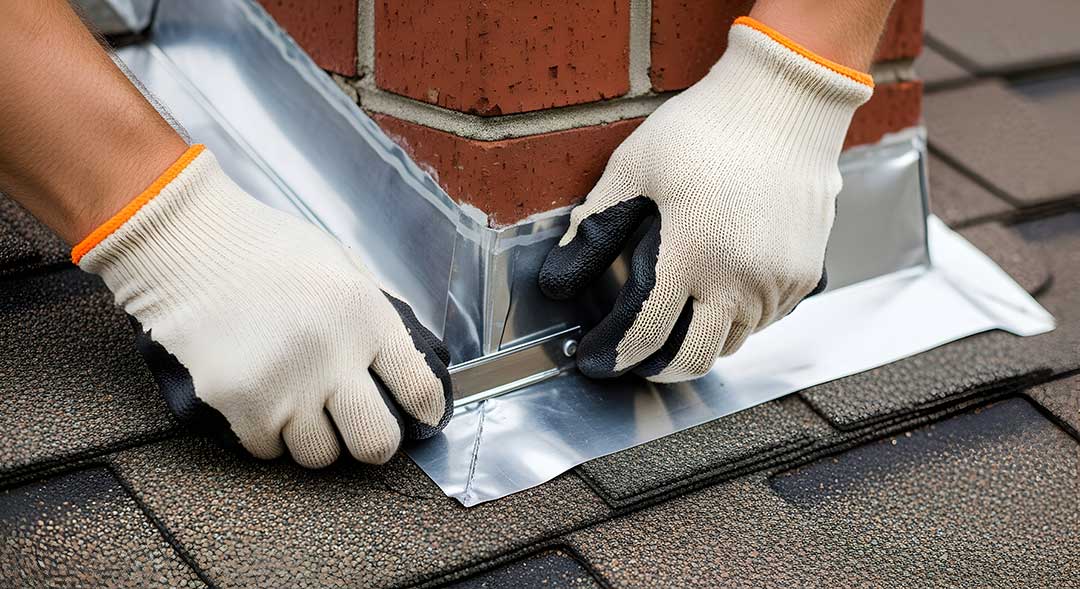
- Base flashing where the chimney meets the roof
- Step flashing layered with shingles along the sides
- Counterflashing attached to or built into the chimney
- A cricket or saddle behind a sufficiently wide chimney
- Underlayment beneath the roof covering
A cricket that is poorly integrated with flashing can still leak. Likewise, high-quality flashing may perform poorly if water and snow are allowed to collect continuously against the uphill side of a large obstruction.
What problems can occur when a cricket is missing or poorly built?
The absence of a cricket is not automatically proof that a roof is defective. Some roof penetrations are narrow enough that a cricket is unnecessary, and some skylights are designed to use a manufacturer-approved flashing system without one.
However, warning signs deserve attention when a wide chimney or penetration has no effective drainage path behind it. Possible symptoms include:
- Repeated leaks near the chimney
- Damp attic insulation
- Darkened or softened roof sheathing
- Rusted flashing
- Loose or cracked masonry joints
- Water stains that appear after snow begins melting
- Ice buildup concentrated behind the chimney
- Shingles that curl, blister, or deteriorate near the obstruction
Interior stains may not appear directly below the source. Water can travel along rafters, roof decking, insulation, or framing before becoming visible inside the home.
What makes a good roof cricket?
A functional cricket has more than a raised bump behind a chimney. Its design must allow water to move reliably into the surrounding roof drainage paths.
Important details include:
- A slope that encourages water and meltwater to move away
- Adequate width and height for the obstruction
- Smooth transitions into the surrounding roof plane
- Correctly layered underlayment
- Durable, compatible covering material
- Proper side and top flashing
- Counterflashing that remains secure and weather-resistant
- No low pockets where debris or water can remain trapped
Metal is often used for cricket coverings because it can provide a continuous surface with few joints. Other materials may also be suitable when installed according to the roofing system’s requirements.
The cricket should not create a new problem by directing water toward a wall, valley, skylight, or another vulnerable transition.
Should an existing roof be inspected for a cricket?
An inspection can be useful when a home has a wide chimney, recurring leakage, or visible snow and ice accumulation behind a roof penetration. The inspection should consider the entire drainage and flashing assembly rather than looking only for the presence or absence of a cricket.
For older homes, the roof design may reflect construction practices that predate current code provisions. Changes such as a new roof covering, chimney alteration, addition, or skylight installation may also affect how water should be managed.
Roof areas that are steep, icy, snow-covered, or difficult to access present fall hazards. Conditions involving structural damage, active water entry, deteriorated masonry, or unstable roof surfaces may require evaluation by a qualified building or roofing professional.
A roof cricket is a relatively small feature, but it addresses a large concern: keeping water and snow from concentrating where a roof meets a raised obstruction. In a climate with regular winter weather and freeze-thaw conditions, that drainage detail can help protect flashing, roof framing, insulation, and interior finishes over the life of the roof.
